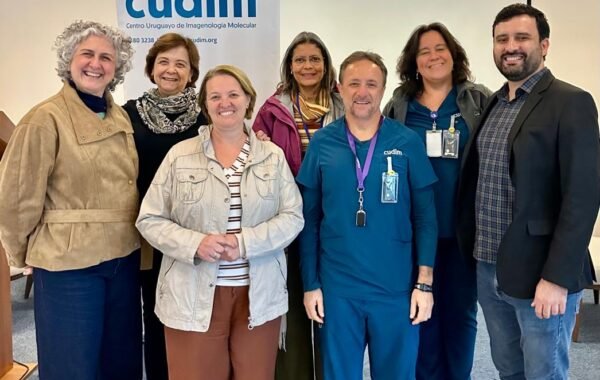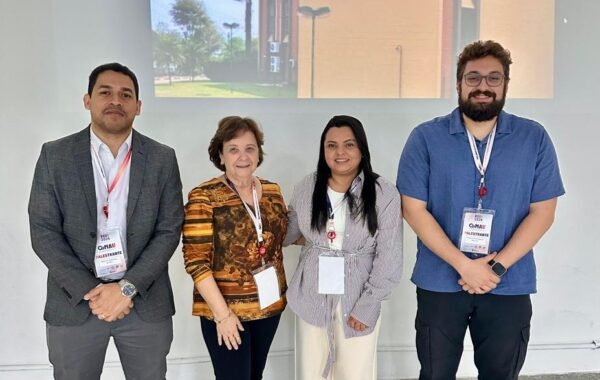








Dr. Juliana Carron, a biomedical scientist and postdoctoral researcher affiliated with CEPID CancerThera, supervised by Dr. Carmen Silvia Passos Lima, a medical oncologist and hematologist, professor at the School of Medical Sciences of the University of Campinas and principal investigator at CancerThera, has been awarded funding from the National Council for Scientific and Technological Development (CNPq), under the Ministry of Science, Technology and Innovation and the National Fund for Scientific and Technological Development, through the call of the Knowledge Brazil Program – Attraction and Retention of Talent.
The support will enable the development of the project entitled “Integration of molecular data and artificial intelligence for prediction of prognosis and metastasis in oropharyngeal cancer,” focused on one of the head and neck tumors studied within one of CancerThera’s strategic areas.
The study, which Carron will coordinate, aims to identify the genetic characteristics that favor the occurrence of metastasis in patients with oropharyngeal cancer and, based on this, develop artificial intelligence algorithms to predict tumor progression.
The approach relies on the combination of Molecular Biology and technology. “Artificial intelligence algorithms can, based on data from previously analyzed patients, recognize patterns and establish associations. Thus, the integration of molecular data with artificial intelligence will allow the identification of complex patterns linked to the risk of metastasis and the progression of oropharyngeal cancer,” explains the researcher.
The expectation is that the study results will enable the classification of patients into risk groups, predicting treatment response and supporting more personalized clinical decision-making, contributing to improved quality of life for cancer patients.
The project is supported by CancerThera, which will provide physical infrastructure, equipment, researchers, and technical support staff. “Collaboration with the research center will be strategic for the development of the project, offering expertise and resources that can complement the study. The partnership will allow the testing and refinement of the developed tools in real clinical settings, ensuring greater applicability and potential impact on patient care,” Carron emphasizes.
Benefits beyond research
The expected impacts go beyond the academic field. The goal is that, in the future, the algorithms may be used in healthcare units across Brazil, both in the public health system and in the private sector. “Even at the diagnostic stage, it will be possible to identify early on patients who require more intensive interventions or treatment adjustments, increasing the chances of therapeutic success and reducing mortality,” highlights the researcher.
She also emphasizes the importance of the recognition received: “For young researchers like me, this type of funding is essential. It not only enables the development of innovative projects but also provides the opportunity to gain experience in advanced methodologies and consolidate my scientific training. With this support, I can turn ideas into concrete results, contribute to the advancement of research in Brazil, and at the same time train qualified human resources. Without this support, many promising initiatives would not have the opportunity to materialize, limiting the impact of science on society.”
Text: Romulo Santana Osthues | Photos: Researcher’s personal archive