




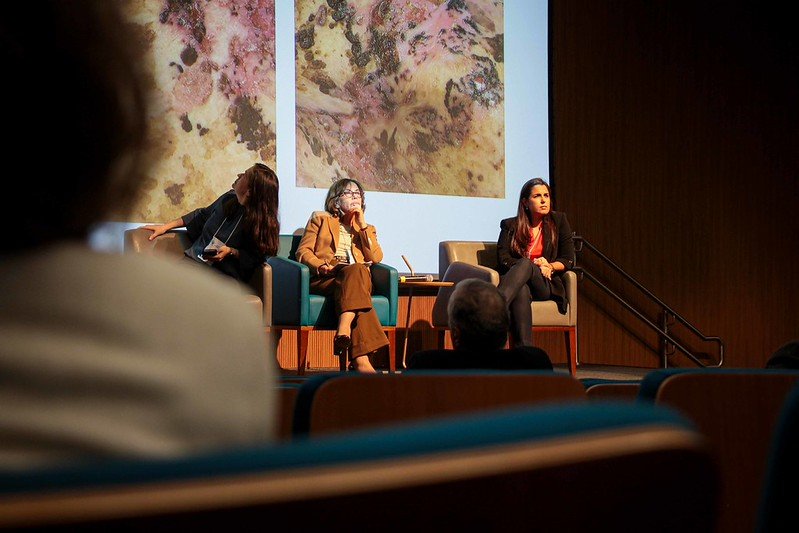

Oncological medicine is going through a moment of transformation in which technical excellence needs to go hand in hand with humanization and technology. On July 10th and 11th, 2026, the joint hosting of the 3rd Julho Verde Symposium – Head and Neck Cancer and the 1st RECONNeckt Symposium, held at the Institute of Otorhinolaryngology & Head and neck surger at the State University of Campinas (IOU/UNICAMP), solidified a scientific meeting model where theory, surgical practice, and innovation converge to redefine patient care.
This synergy between the events made it possible to unite the expertise of CEPID CancerThera in the production and scientific dissemination with the practical mission of RECONNeckt Association, which acts in the training of surgeons in complex procedures and in the promotion of humanitarian reconstructive surgeries, both dedicated to cases linked to head and neck tumors.
Education, humanization and practice
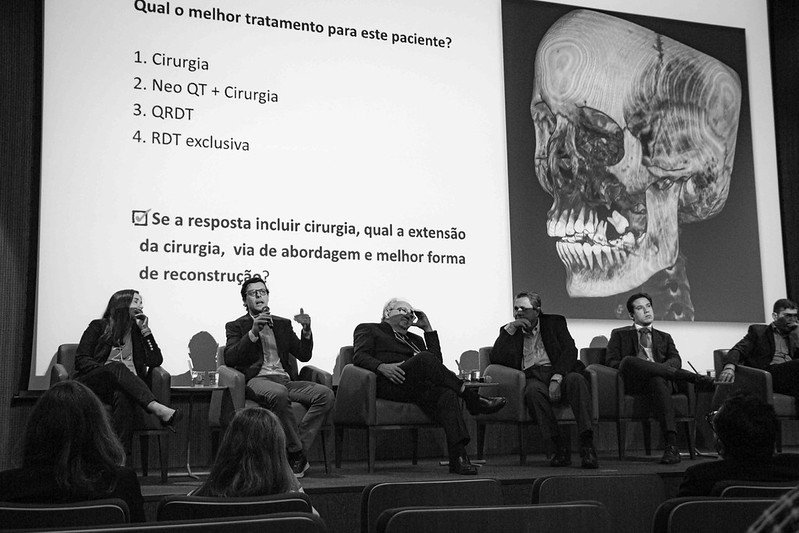
The partnership between the initiatives brought an unprecedented dynamism to the event by integrating practical training into a program that simultaneously discussed high complexity oncological decisions. Through Tumor Boards, experts from different areas have debated real cases, demonstrating that the integration between oncology, surgery and reconstruction is vital to therapeutic success..
The event also reinforced rehabilitation as an essential pillar in the patient’s journey, which goes beyond the oncological cure, dedicating spaces for practical training with phonatory prostheses and solutions to challenges such as dysphagia and mucositis. By incorporating precision medicine in programming, he also reinforced the role of science in personalization of care, reducing side effects and increasing the assertiveness of treatments.
For the Dr. Fatima Cristina Mendes de Matos, head and neck surgeon, coordinator of the Head and Neck Surgery Service at the University of Pernambuco, coordinator of the event and founder of Reconneckt, this concern with practical training is central for residents and students. As she observed, direct contact with the specialty is what motivates the new generation of students: “It is at this age that we begin to present new technologies to young people, showing all the possibilities of care for the cancer patient”.
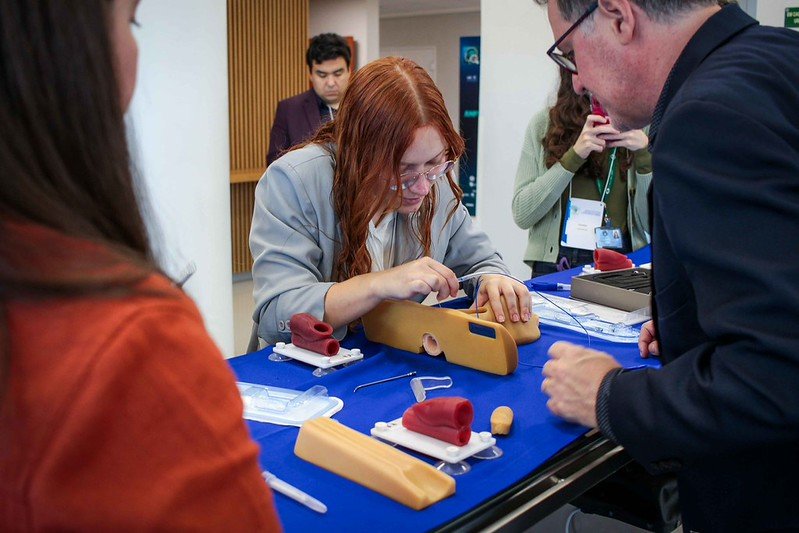
Who corroborates this view is Isabela Diniz, student of the Researcher in Medicine Program (MD-PHD) at Unicamp. Assiduous frequenter of the Julho Verde Symposium since its first edition, she highlights that the inclusion of practical activities this year represented a qualitative leap for her learning. According to Diniz, the format allowed “consolidating part of what we can see there in the clinical cases presented and apply here in practice”, which helps to establish the knowledge and make the experience more fruitful even for undergraduate students, despite the complexity inherent to the topics discussed.
Evolution and awareness: The impact on the tip
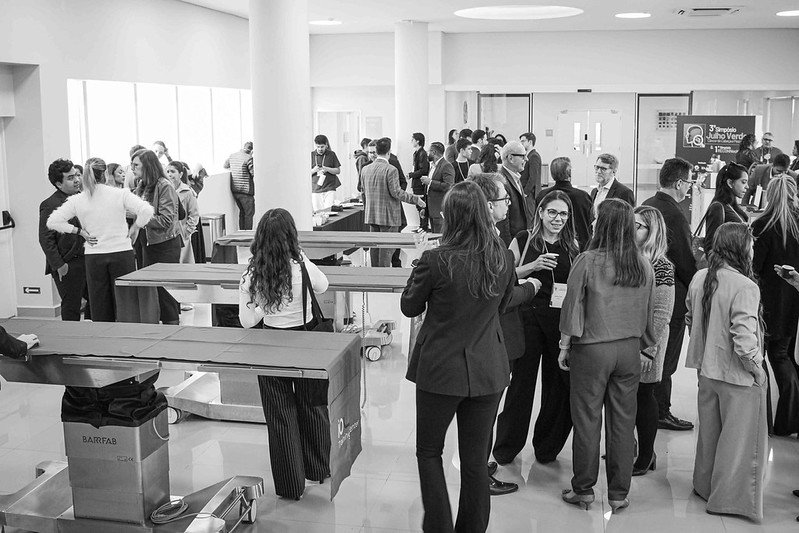
When reflecting on the trajectory of the Julho Verde, the clinical oncologist, professor at the Faculty of Medical Sciences at the State University of Campinas (FCM/UNICAMP) and a researcher associated with Cancerthera Dr. Lígia Taldi Macedo It points out that the growth of the event reflects an urgent need for the specialty. Three years ago, she recalls, “the first edition started with a symposium day, calling on some external guests. The second year followed the same format but saw higher registration numbers and greater demand for multidisciplinary discussion topics”. This year, Macedo, who is also one of the coordinators of the event, celebrated the presence of specialists from different areas and from all states of the country. “The program is growing more and more, and I hope it continues and gets bigger and bigger”, says the researcher, recalling that the essence of the Julho Verde remains the same, the promotion of the early diagnosis of head and neck cancer.
How to reinforce the head and neck surgeon Dr. Carlos Takahiro Chone, professor at FCM/Unicamp and researcher associated with the Center, the paradigm shift begins in the understanding that extreme cases have often had a silent start. “The great importance of Julho Verde, despite showing complex cases, is that future professionals see that these complex cases, once, were small cases”, he explains. According to Chone, early diagnosis is the greatest ally not only for survival, but for maintaining the patient’s quality of life.
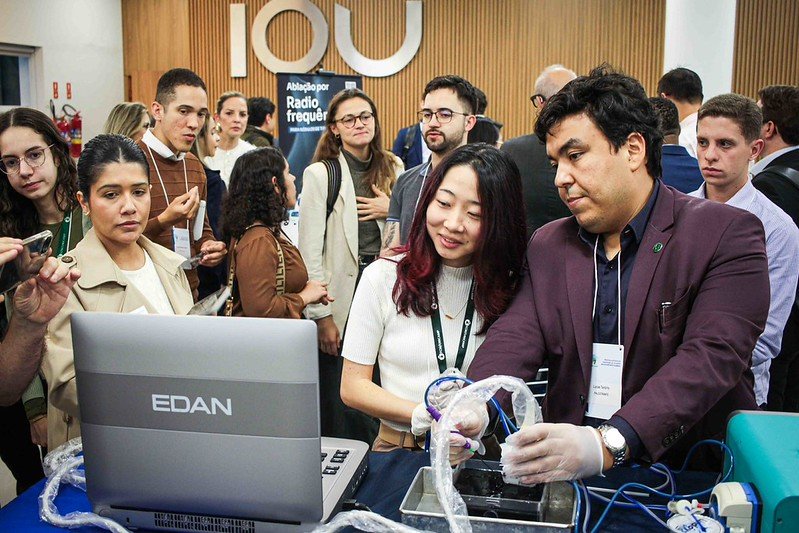
For the Dr. Carmen Silvia Passos Lima, oncologist, professor at FCM/UNICAMP, main researcher and coordinator of the innovation area at CancerThera, the event fulfilled its purpose by sparking essential discussions: “Insights and updates were presented that are crucial for enabling physicians and other professionals caring for head and neck cancer patients—across both public and private sectors nationwide—to provide comprehensive, humanized care in the performance of their duties.”
The strength of multidisciplinarity
One of the consensus among experts throughout the event is that head and neck cancer is not resolved in isolation. Speaker at the event, Dr. Lucas Tenório, surgeon and head and neck specialist in Santa Casa de São Paulo, emphasizes that the multidisciplinary approach is an ethical imperative. “No matter how minor the problem may seen, when dealing with cancer, especially in the head and neck, the ideal is the multidisciplinary approach, with several medical professionals and even non-medical professionals involved in the care of the patient”, he evaluates.
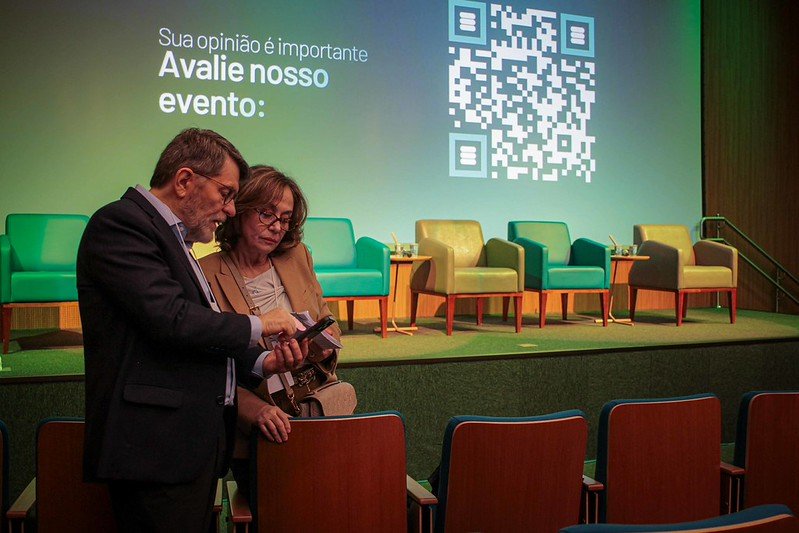
This synergy was detailed by Dr. Maria Carolina Mendes, nutritionist, associate researcher and post-doctorate in Research Management – Innovation and Technology Transfer at CancerThera. For her, the success of the treatment depends on an accurate orchestration: “If we are thinking about rehabilitation, it requires doctors to have a very attentive look at what it means”.
Innovation and governance in the health area
The event was also the stage for urgent conversations, such as the role of technology in health in times of artificial intelligence (AI). Part of this conversation was present in the lecture of the oncological surgeon and specialist in head and neck surgery, Dr Francisco Araújo Dias, which took a step beyond medicine to complete an MBA in data science applied to health by the Hospital Israelita Albert Einstein. For the specialist, the success of this digital scenario does not reside in the technology itself, but in the way it is applied in care: “Today, the tools of engagement for therapists are the ones that grow the most in the market because they help the patient to understand, in their own words, what he needs to do. “Medicas”, the tool helps you to better understand [the condition]”, he explains.
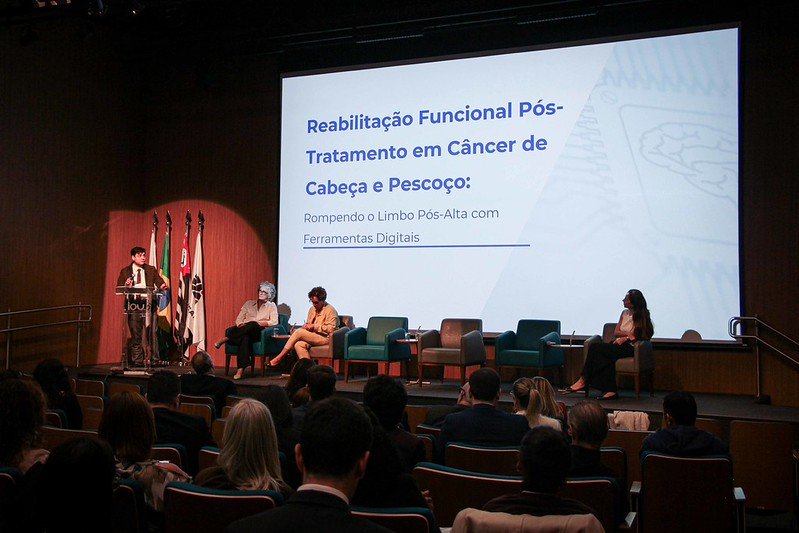
Dias points out that, regardless of the modality — whether in person or telemedicine — the reception of a doctor or a nutritionist remains the determining factor for the technology to fulfill its role of taking the patient to the final destination of the treatment. More than tools, the specialist defends that Medicine needs ethical governance, ensuring the protection of patient data and, above all, the role of the doctor in the co-creation of these solutions. For him, the future of oncology depends on professionals who understand technological language without abandoning clinical practice, as it is in direct contact with the real challenges of the patient that the greatest innovations are born.
With their eyes also on the future, Carmen Lima leaves a clear message to young professionals who today seek their space, whether in research or oncological assistance: “I believe that young professionals with a clinical focus should work in teams rather than individually, aiming to provide comprehensive care to head and neck cancer patients while respecting their personal choices. Meanwhile, efforts to develop the new drugs and therapeutic procedures needed to save the lives — and extend the life expectancy — of head and neck cancer patients will fall to those young professionals with a research-oriented profile,” she assesses.
Text: Xenya bucchioni | Photos: Romulo Santana Oshues