



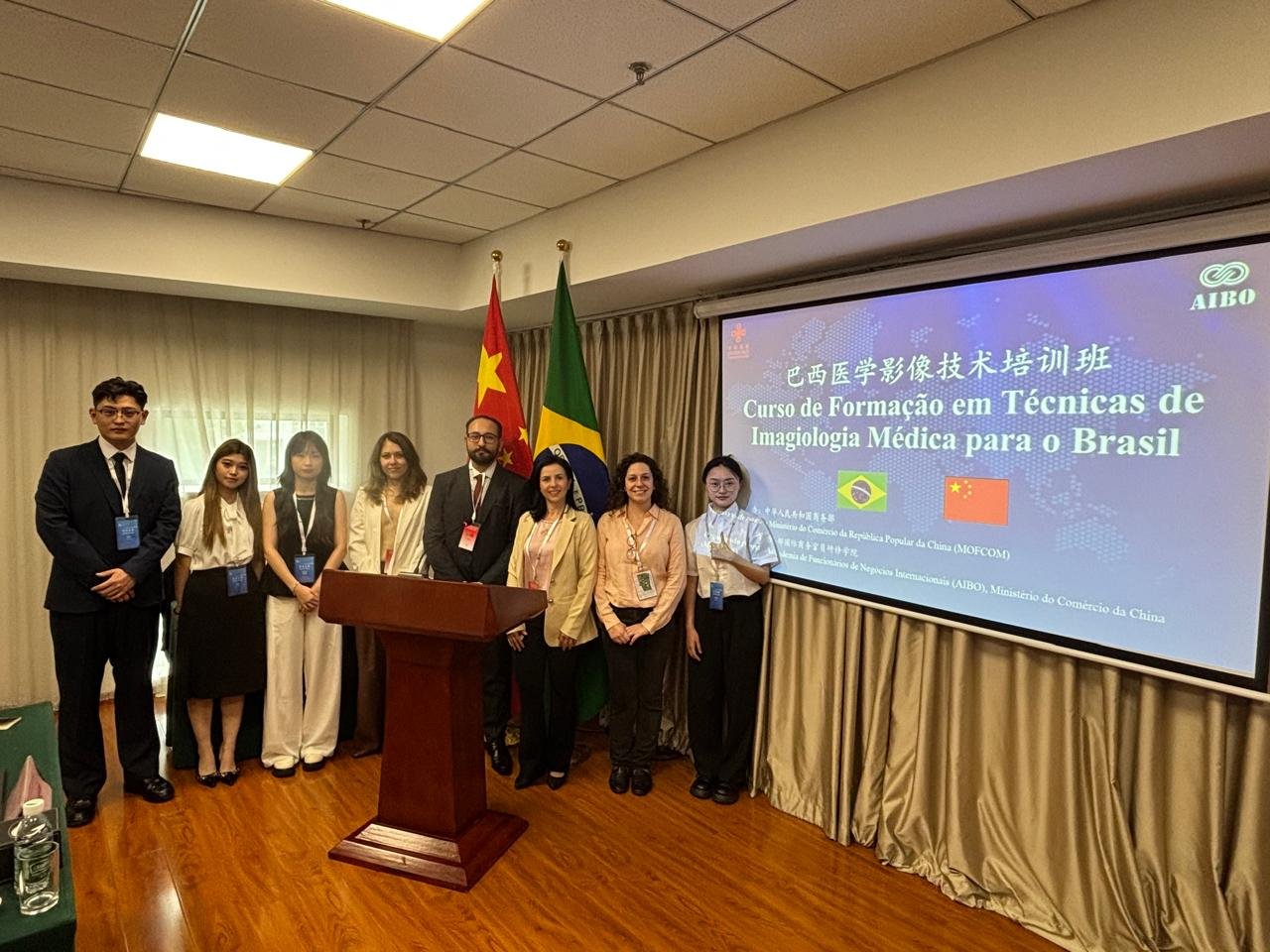
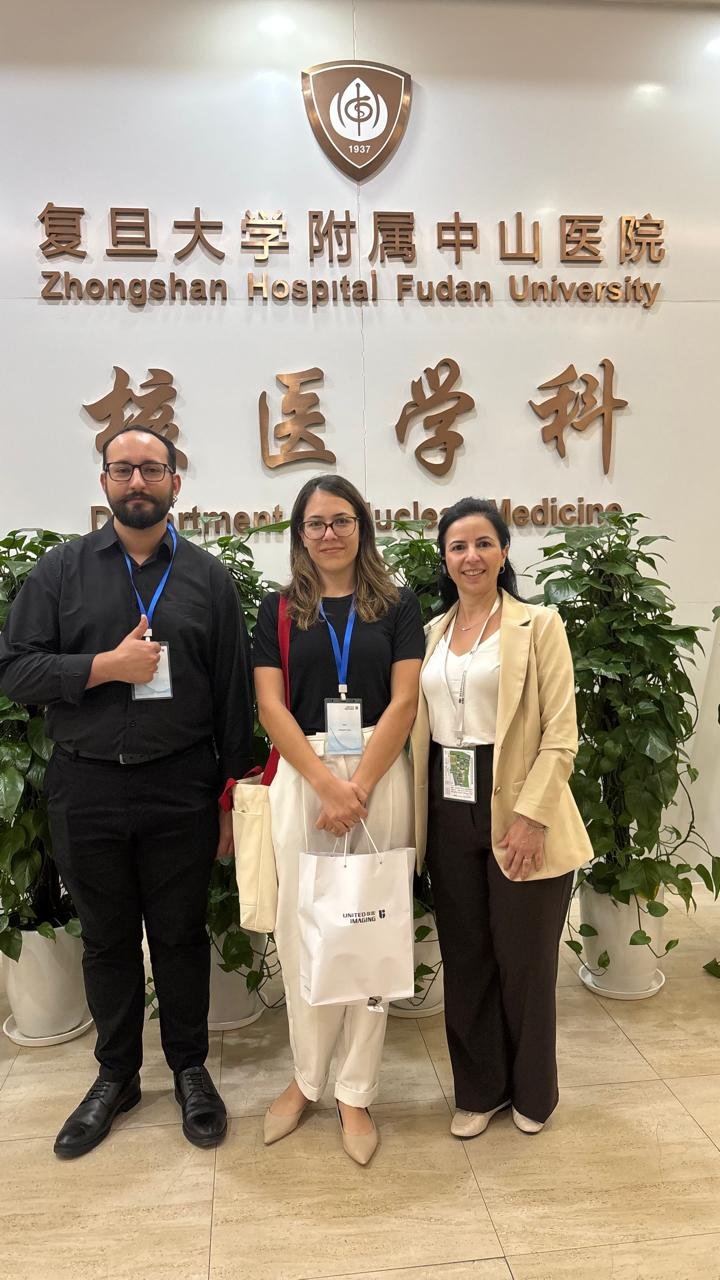
When we think about the future of fighting cancer, the response rarely inhabits a single laboratory or research center. It is built at the intersection between different areas of knowledge and the strategic use of cutting-edge technologies placed at the service of health. With this horizon in mind, biologist Ellen Nogueira Lima, a postdoctoral fellow at CEPID Cancerthera, physicist Vinicius Bassotti, resident in nuclear physics at the Nuclear Medicine Service of the Hospital das Clínicas da Unicamp (HC UNICAMP) and biomedical Juliana Pasquotto Souza, coordinator of the Nuclear Medicine Service at HC Unicamp, packed their bags for Beijing, China.
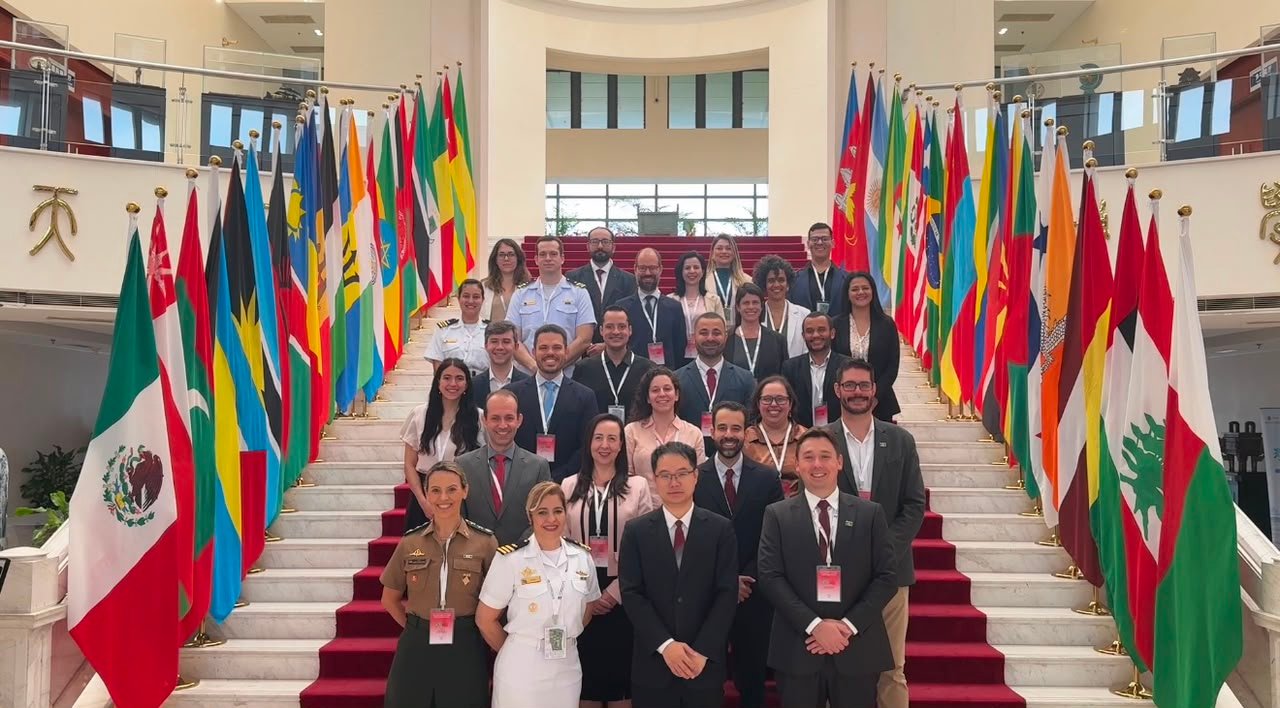
Between the 4th and 23rd of August, the trio was part of the Brazilian group of participants in the Training course in medical imaging techniques for Brazil — an international scientific cooperation initiative aimed at technicians and professionals.
The opportunity for scientific exchange was made possible by Prof. Dr. Elba Etchebehere, nuclear doctor and lead researcher at CancerThera, who identified in the international invitation the ideal possibility to boost the formation of talent and strengthen the center’s performance. “Having our team experience state-of-the-art medical technology abroad is crucial for enhancing the quality of our work here. This direct exchange of experiences enriches our clinical practice and diagnostic support, as well as the research we conduct at the center,” says Etchebehere.
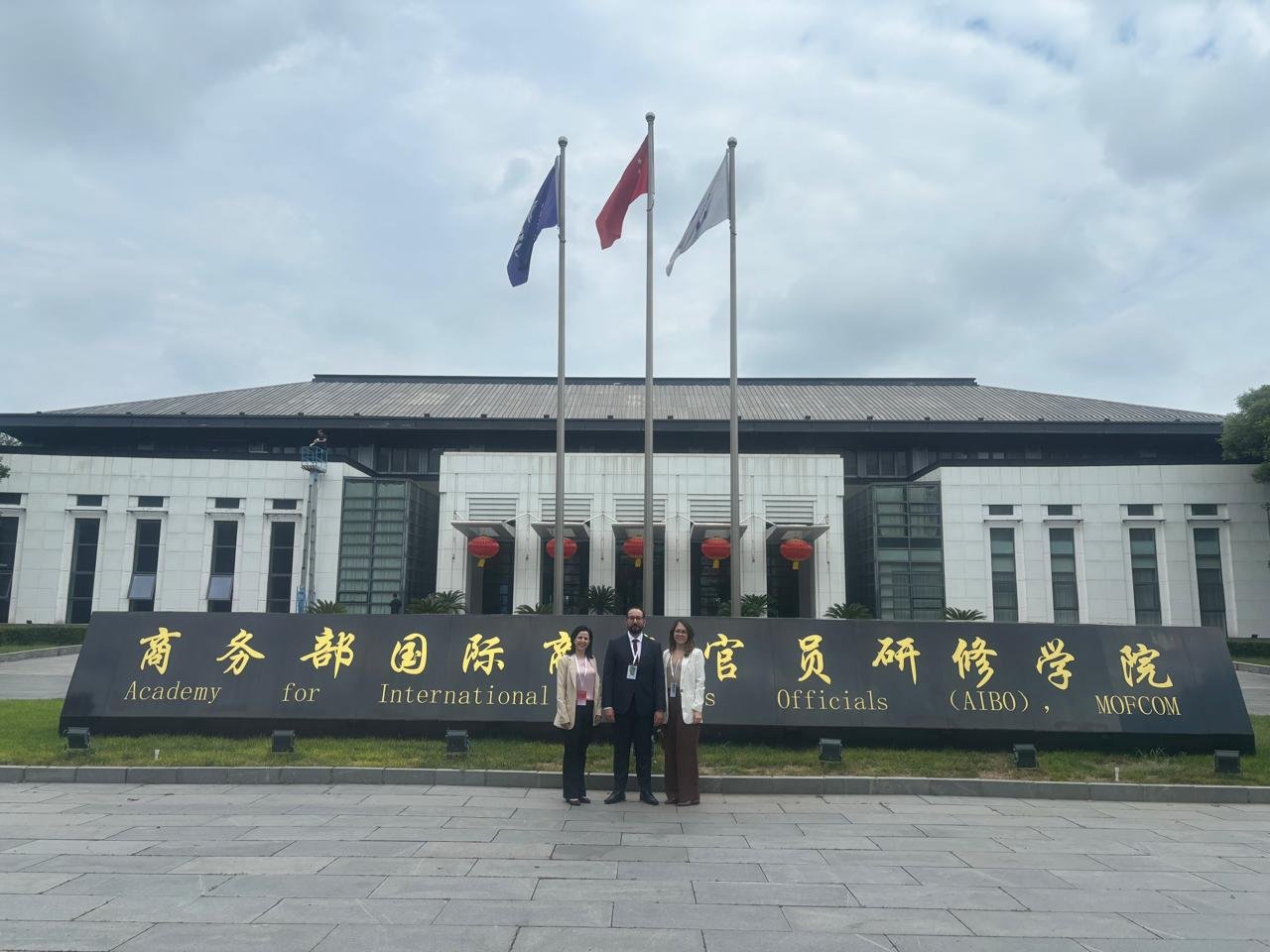
Promoted by the Academy for International Business Officials (Aibo), an agency directly under China’s Ministry of Commerce (MOFCOM), the program selected only 28 participants from across Brazil, including physicians, technologists, and clinical engineers from public or philanthropic institutions, with the aim of improving public health systems and strengthening scientific ties between the two countries.
An immersion in the giants of innovation
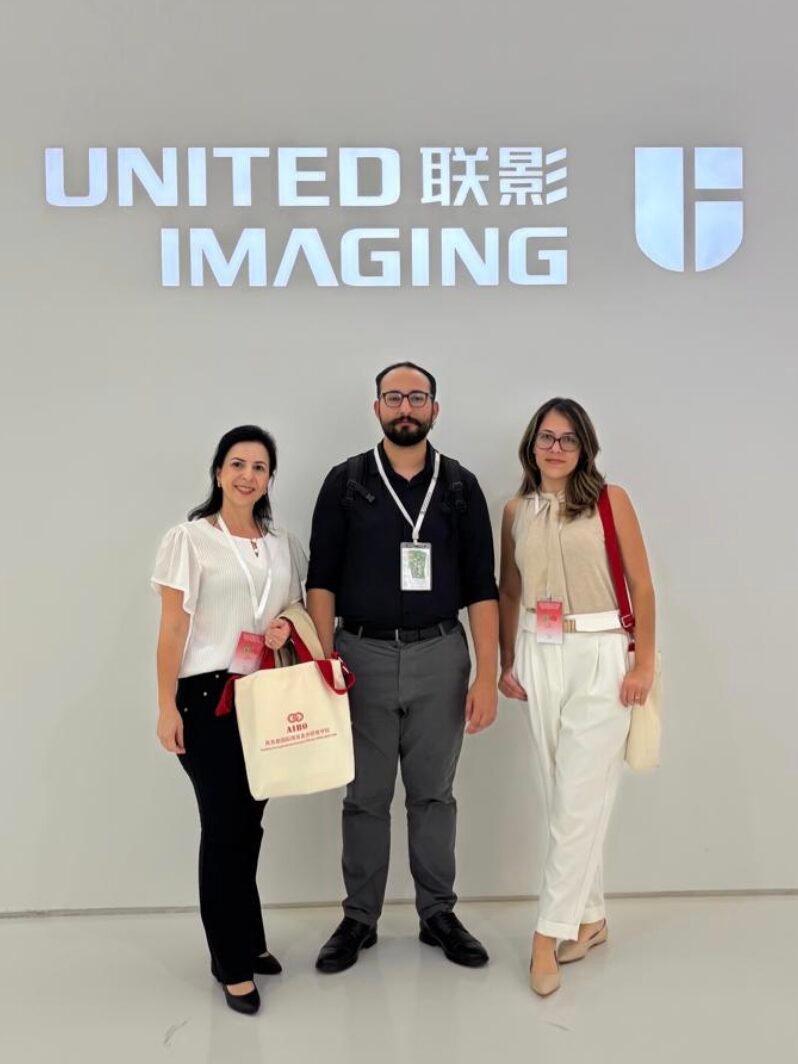
The high-intensity programming passed through Beijing, Shanghai and Changzhou, combining guided tours to the headquarters and the immense ‘superfactory’ of the United Imaging Healthcare (Wow), in addition to passing through Chinese hospitals of different levels of complexity. For the researchers, the great differential of the initiative was the opportunity to follow on the spot The scale and diversity of state-of-the-art equipment, not only CT scan and magnetic resonance imaging and also nuclear medicine equipment such as PET/CT and SPECT/CT, as well as applied artificial intelligence.
What most impressed the group was witnessing the synergy between technology, organization and efficiency in Chinese public health. Biomedical Juliana Pasquotto Souza highlights that the experience provided an unprecedented perspective: “My experience provided a new vision on the organization and management of health services. processes”, she says. She points out that strategies such as rigorous logistics planning, mass scheduling systems and the optimization of the flow of patients serve as a model to identify bottlenecks and seek greater efficiency and quality in the service of HC Unicamp.
Complementing the technical vision, researcher Ellen Nogueira Lima reinforces the value of seeing these tools in practice: “It was very interesting not only to know advanced technologies, but mainly to observe how they are used in the routine of different hospitals”.
In addition to the physical infrastructure, the cycle of lectures and the clinical discussions foreseen in the programming allowed a deep immersion in the interpretation of images and in the diagnosis of specific pathologies, adapted to the professional experiences of the participants, who, according to Lima, included doctors from the Brazilian Armed Forces, in addition to doctors radiologists, pediatricians and other imaging professionals.
Artificial intelligence and the look that sees beyond the visible
One of the important pillars of training was the exploration of the use of artificial intelligence incorporated in the routine of nuclear medicine and radiology exams. By mastering predictive algorithms and innovative approaches in medical image analysis, professionals learn to optimize complex analytical processes. In oncological practice, this means empowering systems to cross-reference large volumes of data and identify subtle tumor patterns at extremely early stages — a front of action that has gained more value every day..
The experience allowed us to understand closely how the infrastructure of a large center allies itself with technology to expand regional support. “For me, who work in nuclear medicine, it was especially enriching to know the structure and operation of a great service in the area and understand how it also supports other locations in China”, points out Lima.
When technology translates into hope
Behind the complex data flows and state-of-the-art panels, the central goal of international journeys like this is to deepen the knowledge about how an innovation in the health area can be converted into dignity and quality of life for the patient. “The domain of hyper-precise diagnostic tools reduces clinical error margins, allowing medical teams to design highly personalized therapeutic strategies,” explains Etchebehere.
This foreign experience also reinforces the national scientific maturity. As Lima reports, the international experience not only allowed “importing” new perspectives to the Brazilian service, but also to recognize the advances that the country has already made, although they are not necessarily present in all the services we know of.
With the end of the mission in China, the group returns to Campinas, bringing in its luggage technical repertoire and a variety of perspectives on this experience that “certainly can contribute both to the research and to the practice developed in Brazil”, concludes Lima.
Text: Xenya Bucchioni