





The Center for Therapeutic Innovation in Cancer (Cancerthera), linked to the Research, Innovation and Diffusion Centers Program (CEPID) of the Fundação de Amparo à Pesquisa do Estado de São Paulo (FAPESP), deposited another patent application with the support of Inova Unicamp, Agency responsible for the Intellectual Property Protection Strategy of the State University of Campinas (Unicamp). The technology involves a molecule with the potential to diagnose and treat patients with glioblastoma, a rare and very aggressive brain tumor.
The unprecedented compound uses a radiolabeled peptide capable of recognizing structures present in tumor cells. After testing on tumor cells and initial animal studies, the research advances in the evaluation of the molecule, which still needs to undergo new validations and regulatory steps before a possible clinical application.
The proposal seeks to expand the diagnostic and treatment options of glioblastoma, helping to identify the tumor with greater precision and investigate new therapeutic approaches.
Rare tumor
According to Professor Carmen Silvia Passos Lima, one of the researchers responsible for the study, glioblastoma is a tumor of the central nervous system of rapid progression, which confers an average survival of 12 to 14 months.
Treatment includes surgery, radiotherapy and chemotherapy. “However, the complete removal of the tumor can compromise healthy tissues that are important for cognition and motricity functions”, explains Lima.
Chemotherapy also faces obstacles, such as the blood-brain barrier, which limits the passage of substances from the blood to the brain. Although temozolomide, used in the treatment, manages to cross it, resistance to the drug can appear in a short time, reducing the duration of the therapeutic response.
‘Unfortunately, most of the chemotherapeutics available on the market do not apply to these patients,’ says the teacher.
Another challenge is to follow the evolution of the tumor during treatment. “Alterations caused by radiotherapy and chemotherapy can make it difficult to evaluate the progression of the tumor and the evaluation of the therapeutic response”, points out Lima.
Molecule to recognize the tumor
Faced with these difficulties, the CancerThera researchers sought an alternative to improve the diagnosis and expand the possibilities of treating patients with glioblastoma. The investigation came from a clinical need, which resulted in the collaboration with Professor Luciana Malavolta Quaglio, from the Faculty of Medical Sciences of Santa Casa de São Paulo (FCMSCSP), who was already developing research with peptides aimed at receptors present in tumor cells.
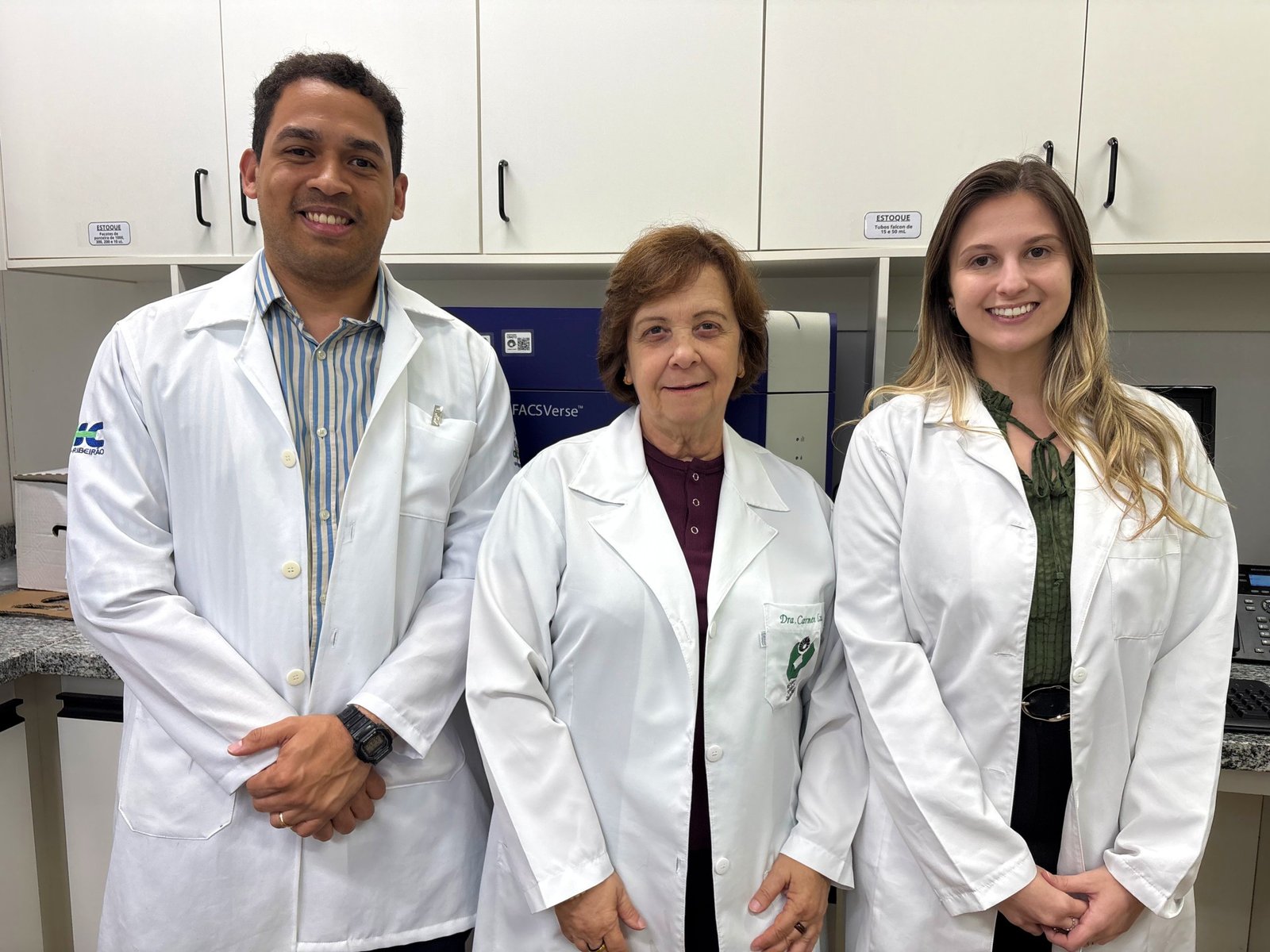
‘From so much to see these patients with these difficulties of follow-up, we went after a solution. We asked Professor Luciana if she had any peptides directed to the glioblastoma cells and she did. So we started the study’, highlights Lima.
From this collaboration, a peptide-type molecule was developed, later radiolabeled with Gallium-68, a radioisotope used in positron emission tomography (PET) exams. The technique allows to visualize the distribution of the molecule in the body and investigate the location of the tumor.
“We developed a peptide-type molecule that has an affinity with these receptors. Then it was radiolabeled with Gallium-68, allowing its identification through positron emission tomography and, thus, the identification of the tumor mass”, explains researcher Luciana Malavolta Quaglio, from FCMSCSP.
The strategy seeks to increase the specificity of the diagnosis by directing the molecule to the tumor cells that have greater expression of the receptor of interest, with the perspective of differentiating them from healthy tissues and contributing to a more accurate assessment of the disease.
First tests and indicatives
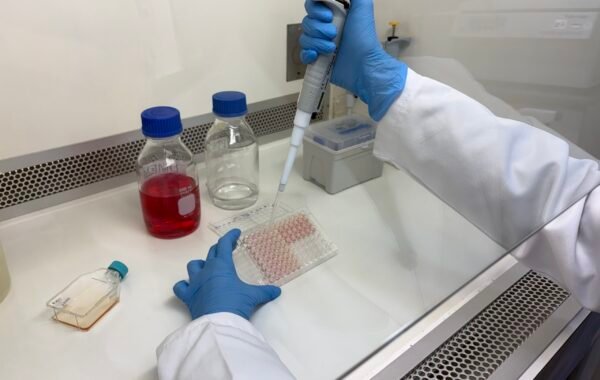
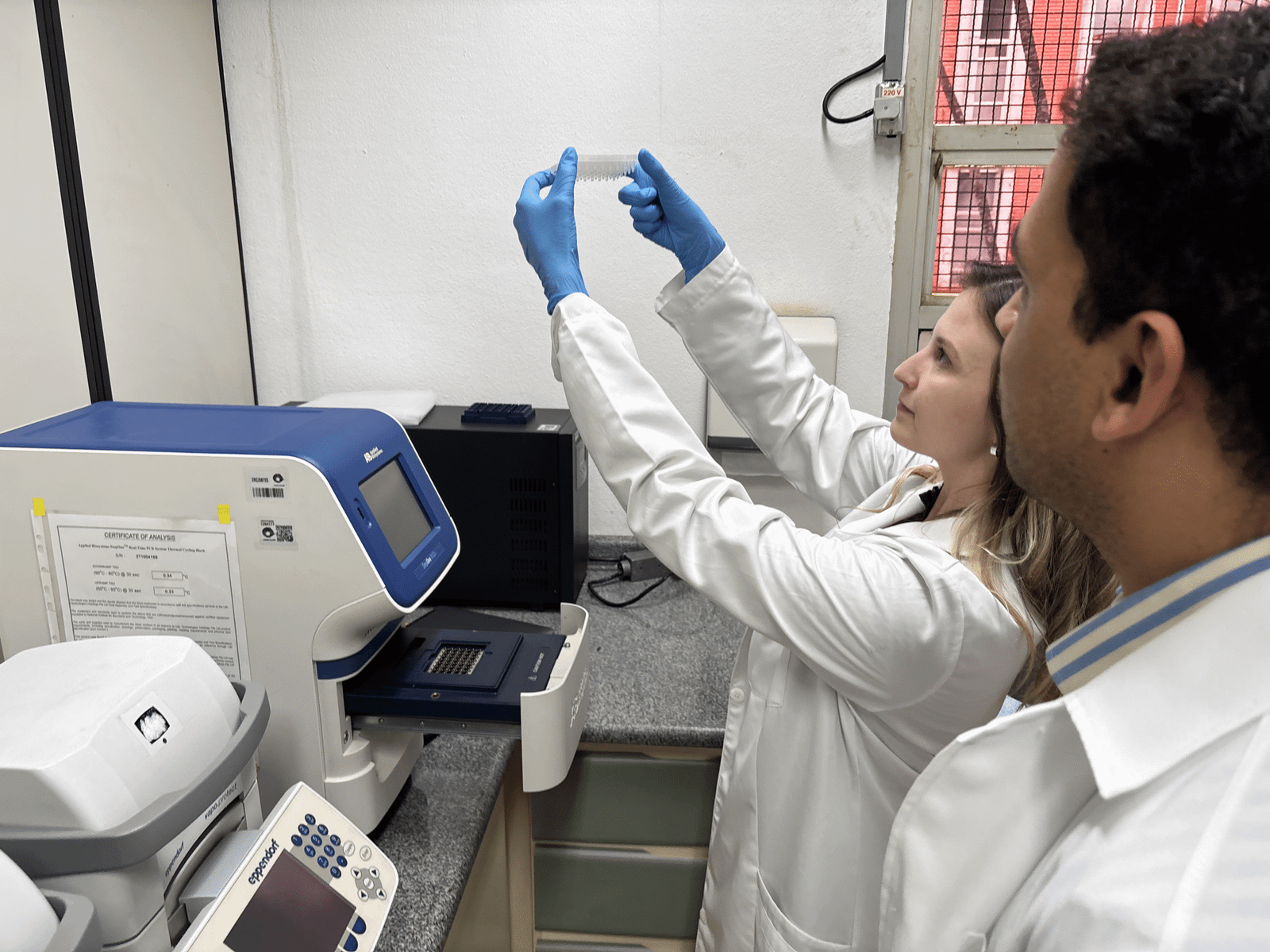
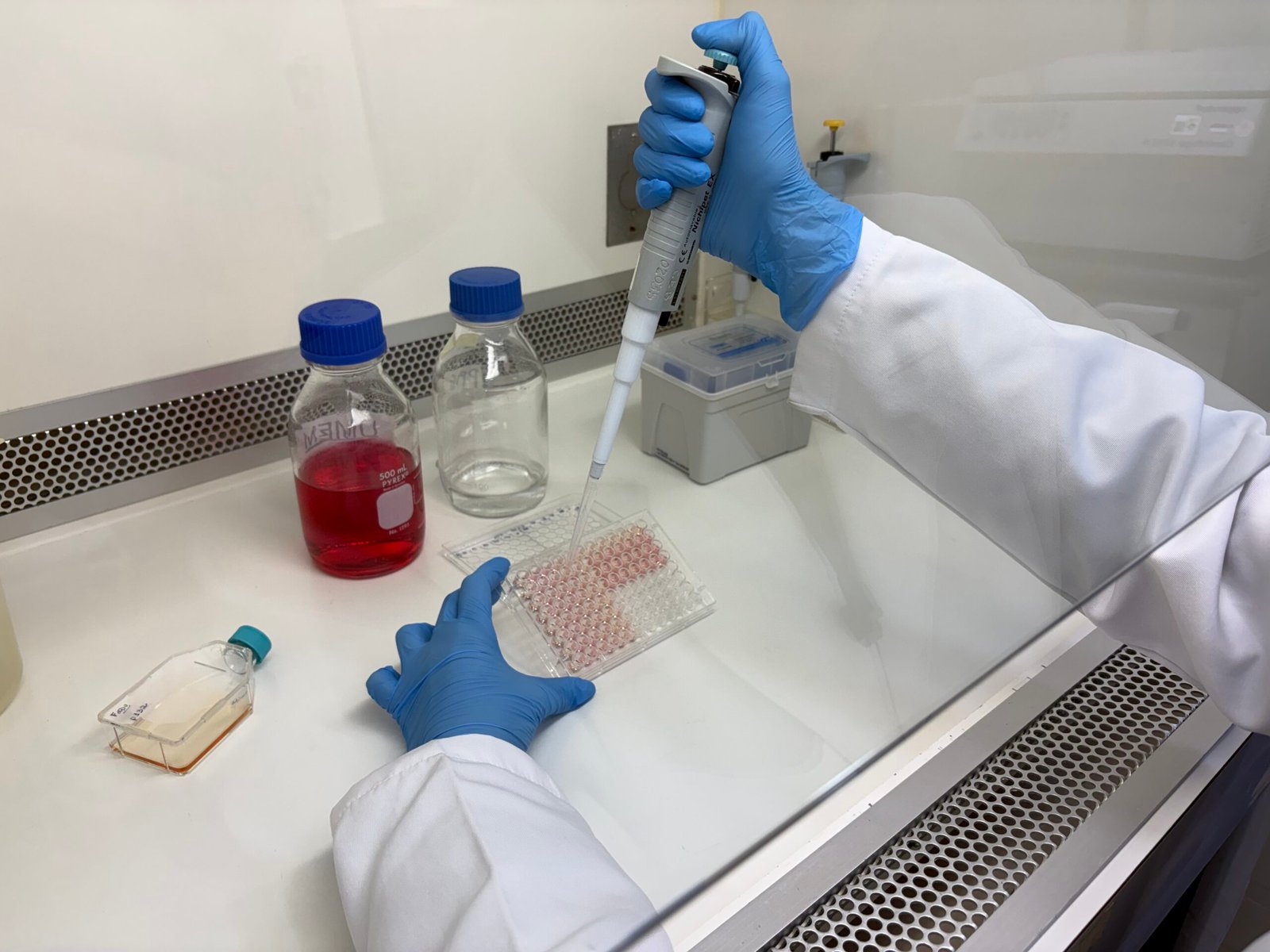
The molecule was synthesized by the FCMSCSP team and sent to the Cancer Genetics Laboratory (Lageca), at Unicamp, within the scope of CancerThera activities. In the laboratory, researchers Juliana Carron and Fábio Fernando Alves da Silva conducted the first tests to evaluate the behavior of the compound in tumor cells and verify their viability for the next stages of the research.
According to Carron, the experiments evaluated cytotoxicity, cell death, cell proliferation and migration. The initial results indicated that, under the conditions tested, the molecule did not cause cell death or interfered with proliferation. “We observed that he did not kill the cells, he did not interfere with their proliferation”, he reveals.
The researchers also observed a possible reduction in cell migration, a result that aroused interest in its relationship with tumor spread and verified the binding of the molecule to the Gallium-68 and its internalization by the cells studied, that is, the ability of the compound to enter these cells. These results represent initial steps to assess the potential of the molecule as a diagnostic imaging agent for glioblastoma.
“We still need to do more studies, but it could decrease the chance of metastasis in these patients”, emphasizes Carron.
Combine diagnosis and treatment
One of the differentials of the research is in the chemical structure of the molecule. According to researcher Fábio Fernando Alves da Silva, the compound is formed by a peptide connected to a spacer and a chelator called dota, which allows to incorporate different radionuclides. Among them are Gallium-68, used in positron emission tomography (PET) tests, and lutetium-177, used in therapeutic applications.
This versatility makes it possible to explore the concept of therapeutic, which combines diagnosis and treatment from the same molecular structure.
“This gallium-luteal pair is called a therapeutic pair”, explains Silva.
In the studies carried out so far, the researchers verified the chemical stability of the molecule, high radiochemical purity, radiochemical yield, stability in media such as blood and plasma and cell binding ability. In in vivo experiments with mice, they also observed that the compound manages to reach brain tissue. “So the validations in vitro and in vivo of this potential radiopharmaceutical are the great asset of this research”, highlights the researcher.
In practice, the proposal is to use the Gallium-68 to investigate the location of the tumor through imaging tests and, later, to evaluate the use of lutetium-177 to transport therapeutic radiation to the tumor cells.
The strategy can be relevant for glioblastoma, considering the infiltration of the tumor in the brain tissue and the challenges to follow its evolution and the response to treatment. However, the diagnostic and therapeutic potential of the molecule still needs to be confirmed.
Next steps
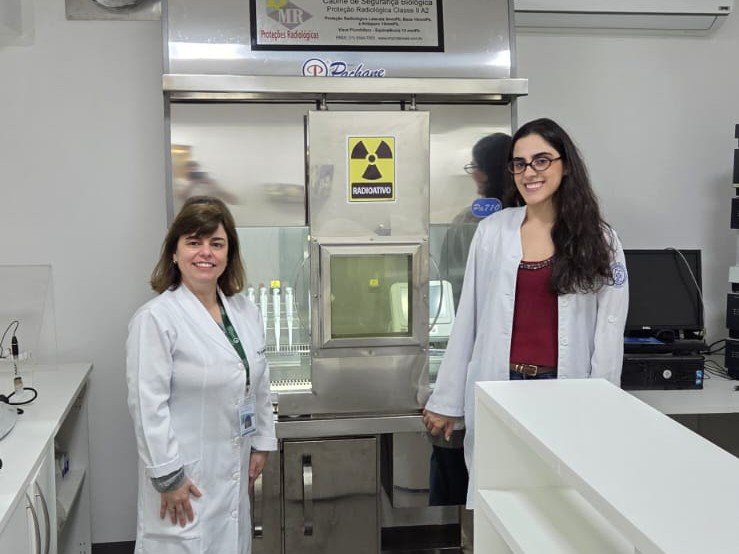
The research continues with in vivo studies, including models of xenotransplantation and orthotopic transplantation, in which the tumor is established directly in the brain. The team also intends to mark the molecule with lutetium-177 to investigate its therapeutic potential in these models.
Another step will be to expand and automate radiomarking through a module, which, according to Silva, can make the process faster and more accurate, in addition to contributing to the good manufacturing practices required in the development of radiopharmaceuticals.
These steps are critical to assessing the possibility of moving to clinical studies. According to Silva, the development of a new drug can take about ten years. Partnerships with radiopharmaceutical companies may also contribute to the necessary validations.
“There is still, in fact, a lot to be done, but we have an excellent starting point, we have a great molecule that, without a doubt, has a huge potential to reach the patient someday”, says Silva.
Patent filing and partnerships
The deposit of the patent at the National Institute of Industrial Property (INPI) represents a milestone for the team and recognizes the work developed, in addition to contributing to the protection of technology.
According to Silva, the initiative allows the transfer of technology and creates conditions for the continuity of studies. Carron, in turn, highlights that the research was developed entirely with public resources, highlighting the commitment to return the results to society. “This patent is gratifying because it is a first step to ensure that the results of technology can actually turn into innovation for society”, he says.
For Malavolta, the promising results may favor partnerships with companies interested in the development of the compound and its eventual transfer to the industrial sector.
“The results are very promising, and with the deposit of the patent application, this will open doors for us to partner with the industry, so that we can see our technology as a product in the clinic”, highlights Malavolta.
Silva also points out that collaboration with radiopharmaceutical companies can contribute to future stages, such as escalation of production, automation and other necessary validations.
The impact of the project, however, goes beyond scientific advances and the perspectives of clinical application.
The research also contributes to the training of new professionals and brings students closer to scientific research. For medical student Gabriella Fraiji Melo, participation marked the beginning of her trajectory in scientific research. “It was the opportunity to take the first steps in the research by working on a theme with the potential to transform the lives of patients and their families”, he points out.
Possibility of clinical application
The proposal investigated by the group seeks to contribute to fill a gap in the diagnosis and treatment of glioblastoma. According to Silva, the differential lies in the combination of the developed molecular structure, the properties already investigated and its potential application.
Despite the initial results, the path to an eventual clinical application still requires important steps..
The researchers will need to confirm the direction of the molecule to the tumor in animal models, evaluate its therapeutic effect, improve production and meet the necessary requirements to advance clinical studies.
If the next steps confirm its potential, the compound could represent a new possibility in coping with the disease.
‘Of course, we always aim to cure the patient, but when it may not be possible, then we seek to prolong survival with quality of life. We are looking for a more effective therapy for these patients’, highlights Lima.
Until then, the research follows a path that connects basic science, technological development and innovation potential, driven by a greater objective: to transform a laboratory discovery into an alternative that, in the future, can benefit patients.
Text: Roberta Steganha