




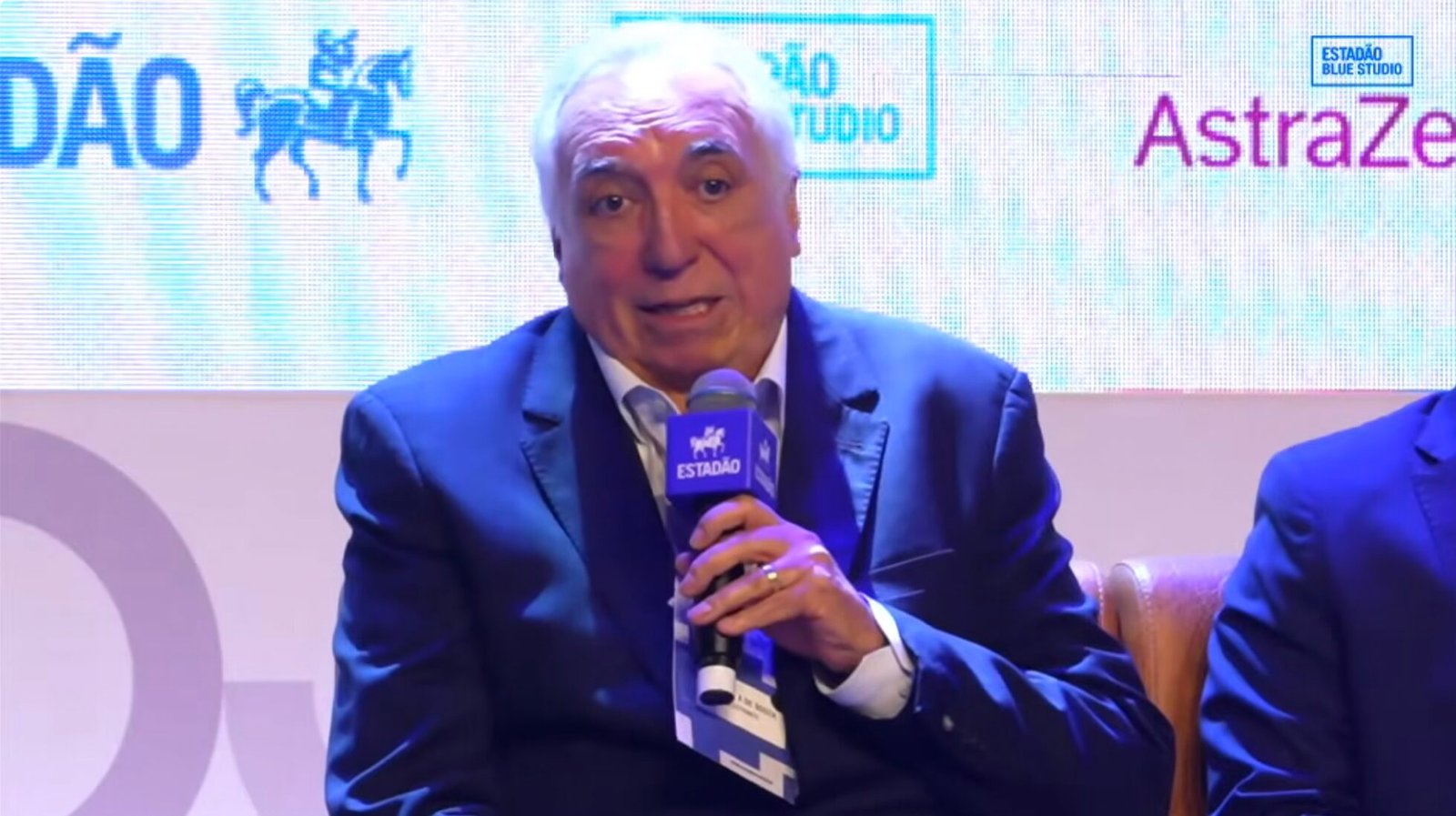

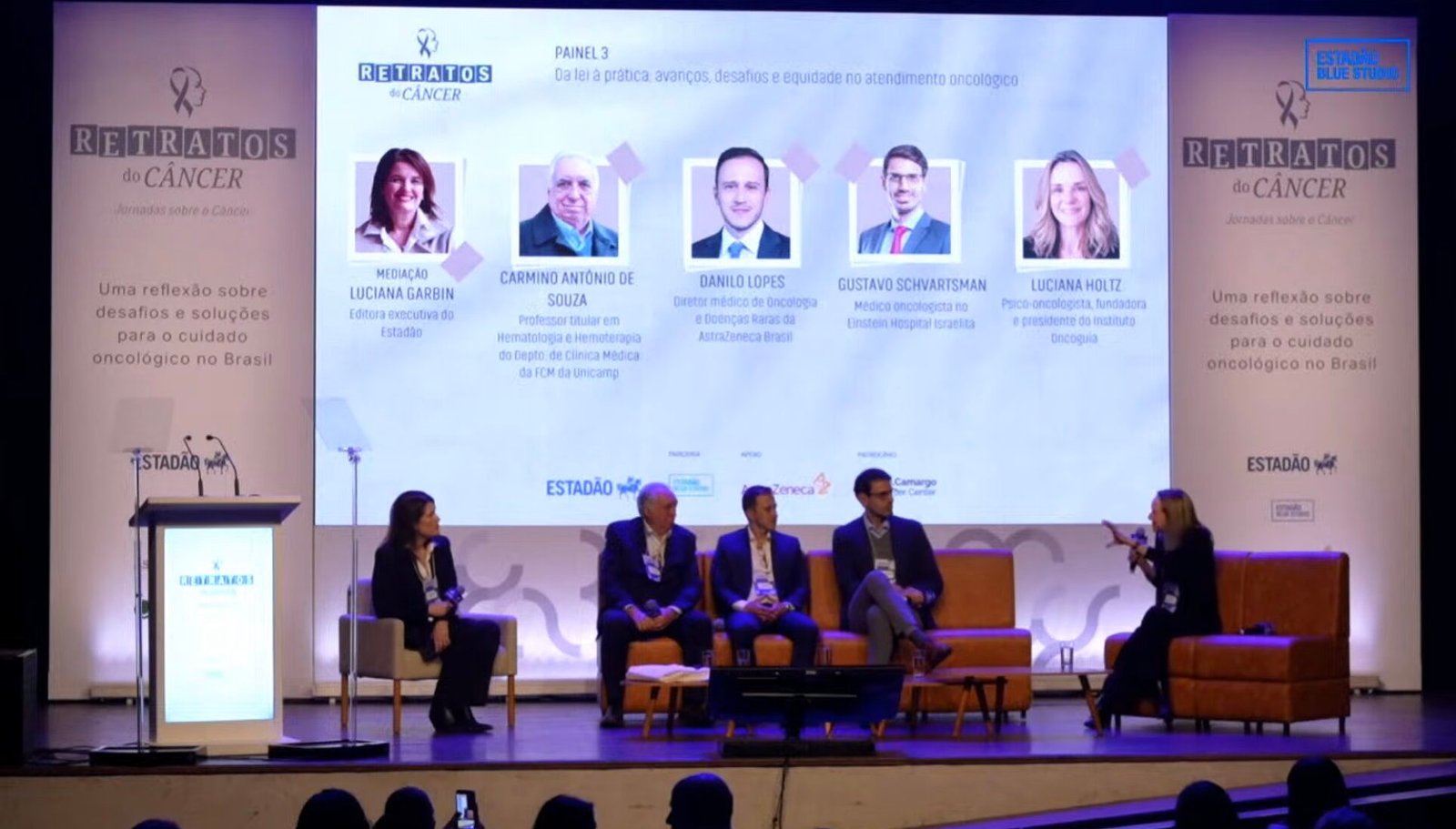
The 6th edition of the Forum Cancer Portraits, an initiative promoted by the Estadão on September 9, it brought together specialists, health managers, researchers and representatives of civil society at Casa Natura Musical, in São Paulo, for a full day of debates on the directions of oncology in Brazil. With the aim of drawing a complete overview of the patient’s journey — from early diagnosis to post-treatment life — the event dedicated its third panel to one of the most critical topics of the current health agenda: the practical implementation of federal guidelines.
Under the theme “From the law to practice: advances, challenges and equity in oncological care”, the panel put on the agenda the balance of the National Policy for the Prevention and Control of Cancer (PNPCC) and the Network for the Prevention and Control of Cancer (RCC), sanctioned in 2023, in force since 2024 and regulated in 2025. The debate sought confront the regulatory advances achieved with the reality faced at the end of the health system, evaluating the challenges that still prevent equity in access to high-complexity treatments throughout the national territory.
The debate table was attended by Dr. Carmino Antonio de Souza, onco-hematologist, professor at the Faculty of Medical Sciences of the State University of Campinas (FCM/UNICAMP), lead researcher and director at the CEPID CancerThera, Danilo Lopes, medical director of Oncology and Rare Diseases at AstraZeneca Brasil, Gustavo Schvartsman, oncologist at Einstein Hospital Israelita and member of the Scientific Committee of the Instituto Vencer o Cancer and Luciana Holtz, psycho-oncologist and founder and president of the Oncoguia Institute. Mediation was led by Luciana Garbin, executive editor of Estadão.
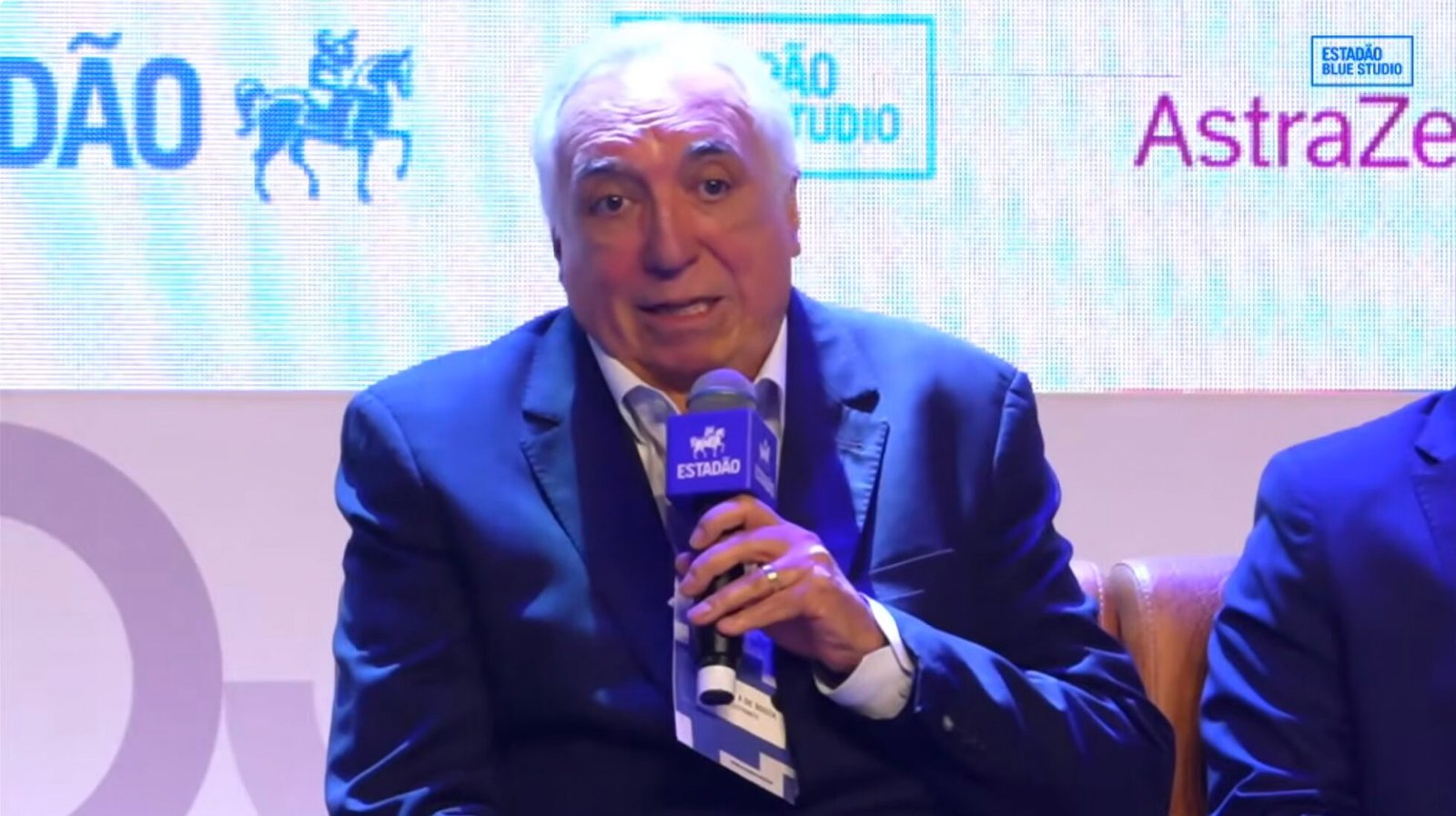
During the discussion, Souza stressed that cancer is a transversal and democratic disease, demanding that the country face the problem with planning and structure. According to the researcher, “what there is always great demand and complaints is in time for the incorporation and access to new drugs and procedures, both for the private network and, mainly, in the public network”. However, in his view, in addition to the arrival of innovative drugs, it is necessary to advance the oncological debate in other directions other than just medicalization. “When I speak a health system, it is not just the oncology system, we have to have trained primary care, trained for it, secondary care, all screening and early diagnosis methods”, he highlighted on the panel.
For Souza, in a complementary reflection to the subject, the response to the disease requires a systemic look at the line of care, ranging from primary care and immunization campaigns (such as against HPV and hepatitis B) to the strengthening of early diagnoses, the expansion of the radiotherapy and surgery and the consolidation of structured integrated centers. The researcher also reinforced the need for long-term strategic planning, noting that “they are not only new and innovative remedies, but a whole spectrum of actions determined by a public policy aimed at facing cancer looking toward the future”.
Text: Xenya Bucchioni