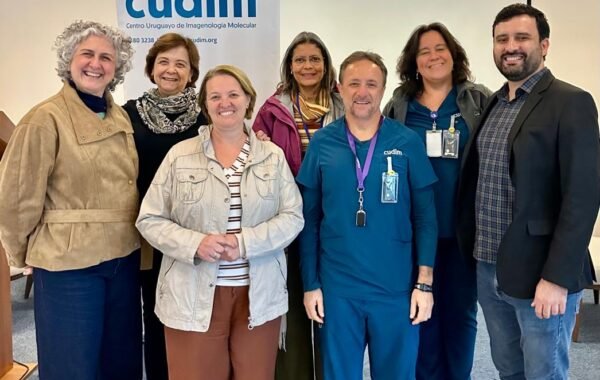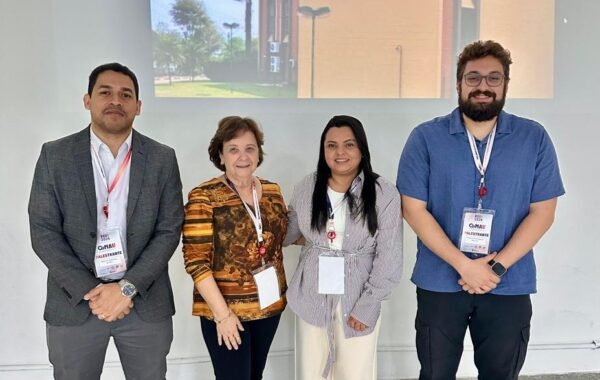





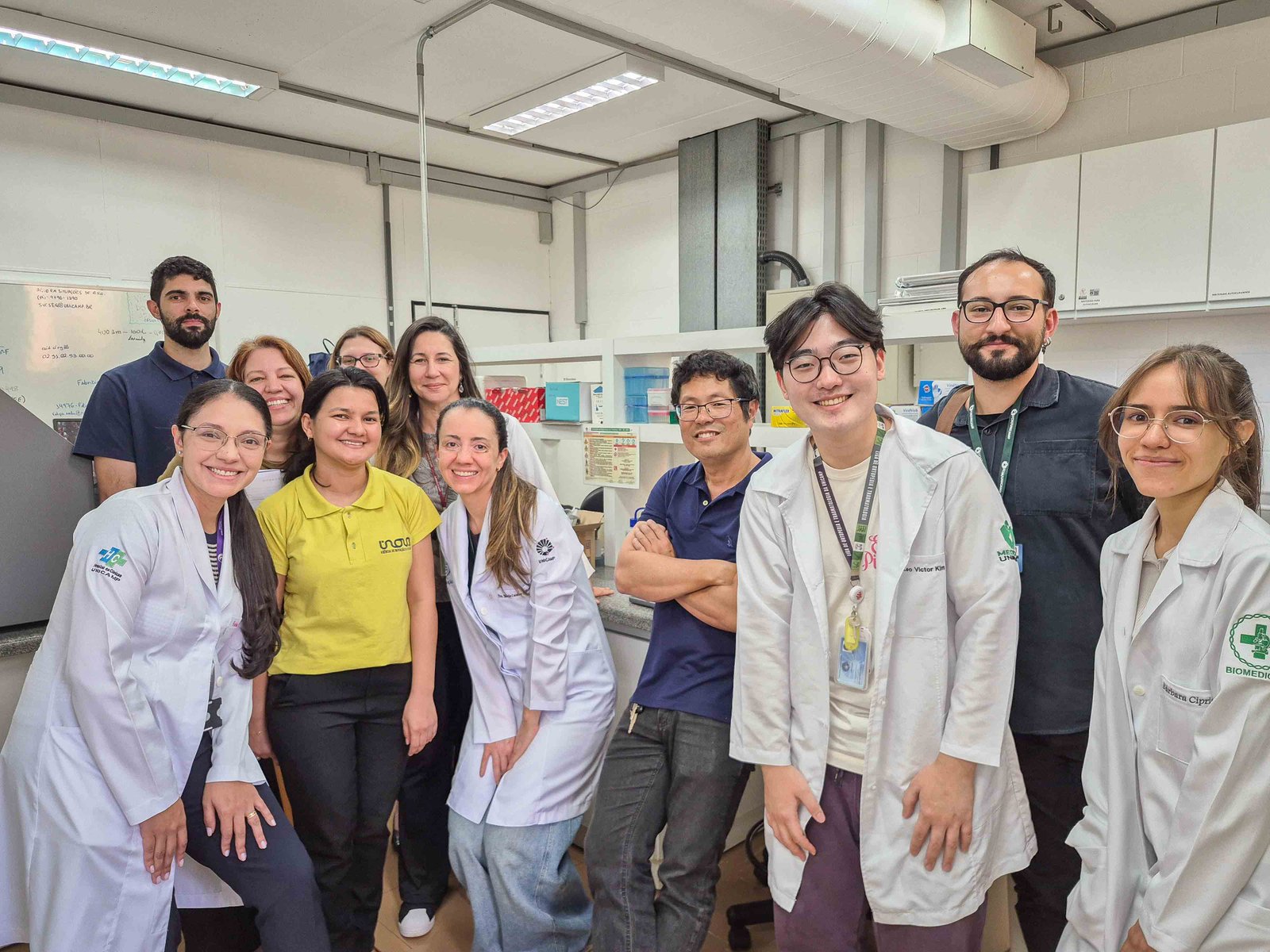

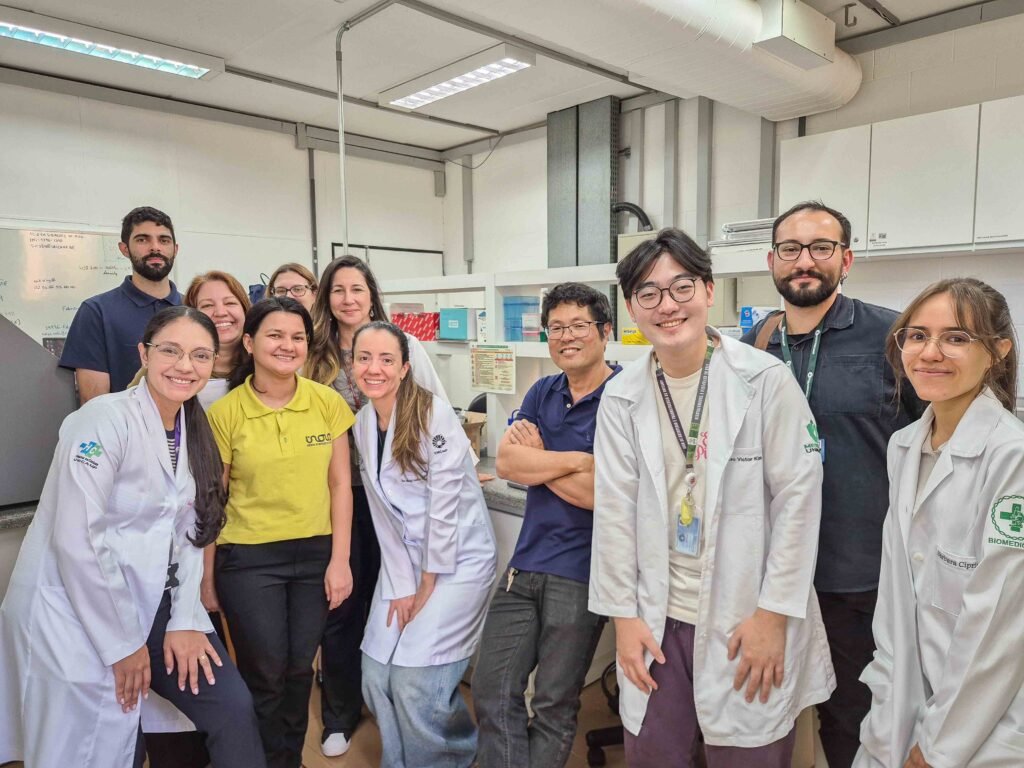
The Innovation Agency of the University of Campinas (Inova Unicamp) carried out a visit to CEPID CancerThera as part of the agenda of the InovaLab program. The meeting, which took place on August 7, brought together researchers from the research center, Unicamp professors, and the Inova team in a movement that reinforces the university’s institutional mission: to transform cutting-edge science into accessible and impactful solutions for society.
CancerThera, created in 2023 and based at the Center for Hematology and Hemotherapy at Unicamp, is one of the Research, Innovation and Dissemination Centers (CEPIDs) supported by the São Paulo Research Foundation. The center also includes the Institute of Chemistry of São Carlos at the University of São Paulo and the Faculty of Medical Sciences of Santa Casa de São Paulo.
Its teams work in a translational manner, integrating basic, preclinical, and clinical research, with a focus on developing new metallodrugs and radiopharmaceuticals, as well as novel applications for those already established in mapping their distribution throughout the body and in the treatment of certain tumors. One of the main objectives of CancerThera is to develop new products for application in the theranostic model, combining diagnosis and therapy within a single approach.
The visit reinforces the role of Inova Unicamp as the university’s Technological Innovation Center, responsible for supporting faculty members and researchers in the process of transforming science into innovation. At the same time, it reaffirms CancerThera’s commitment to pursuing innovation collaboratively, ensuring that its scientific discoveries benefit oncology patients throughout Brazil.
Convergence between research and innovation
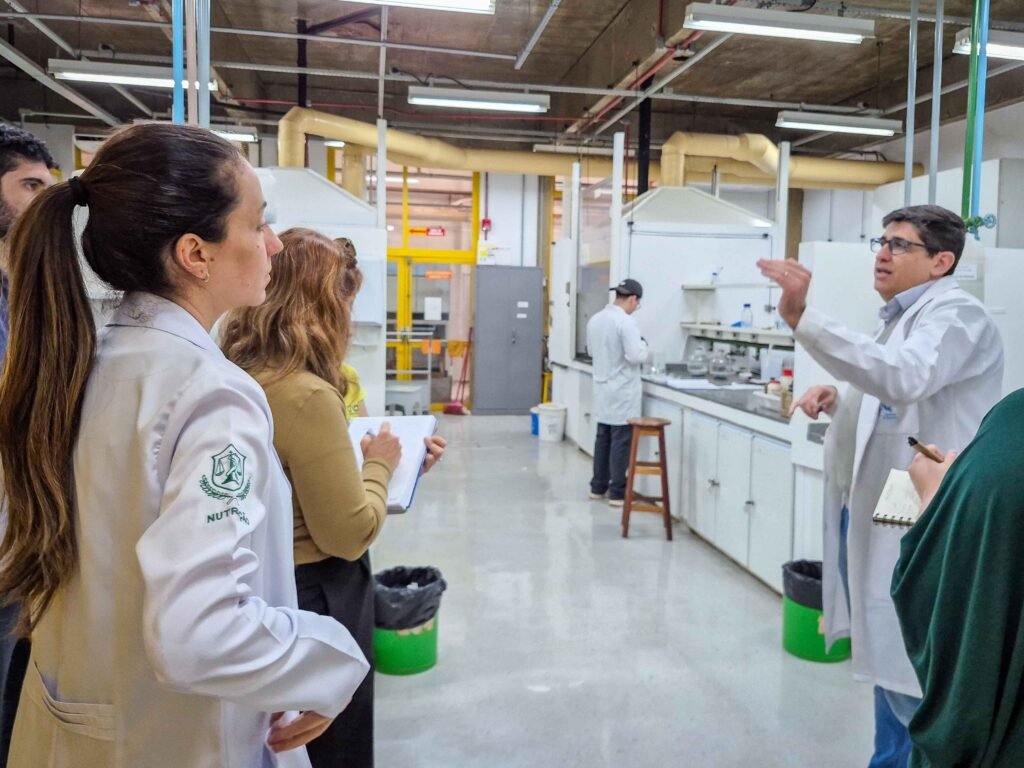
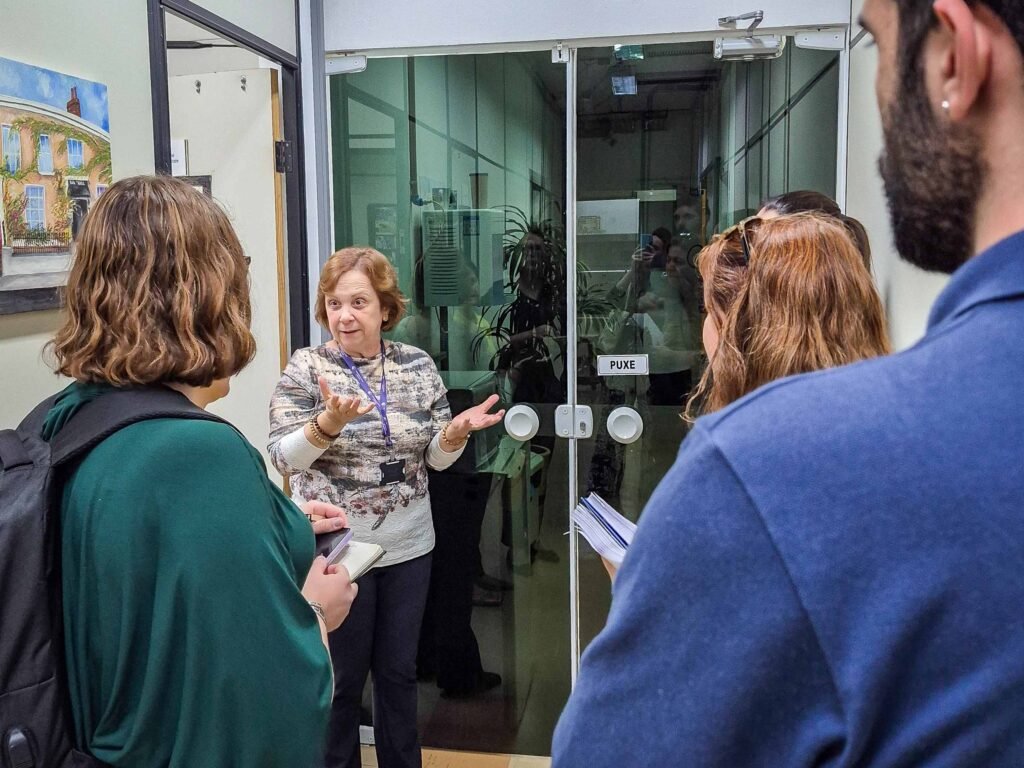
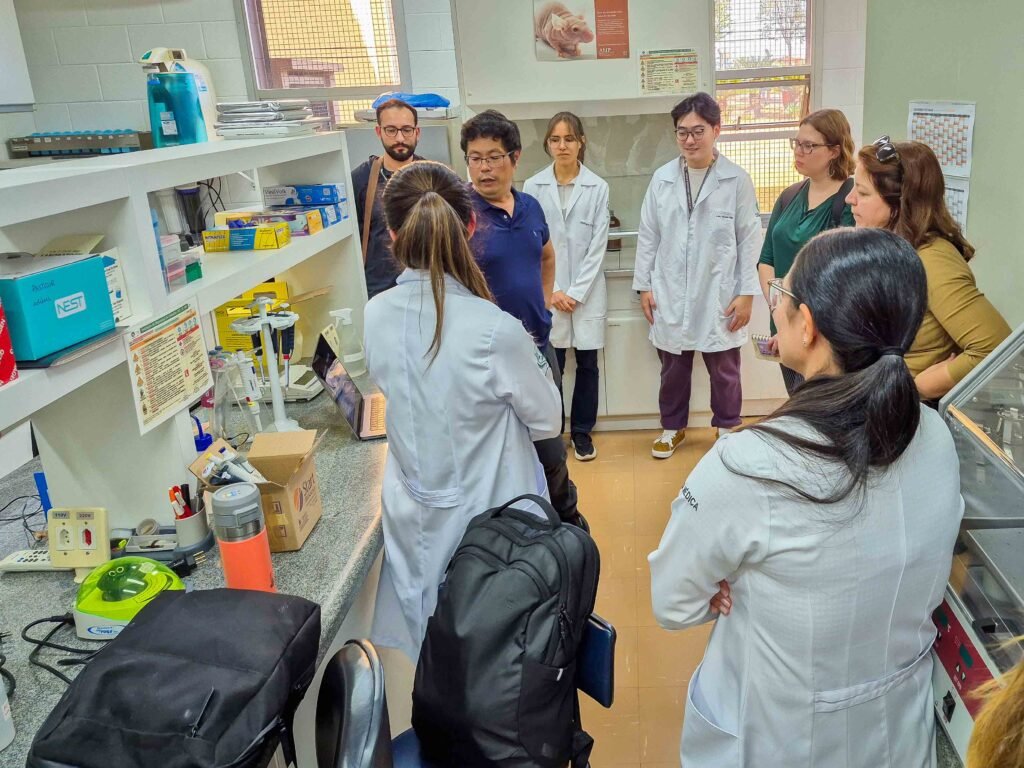
During the visit, the Inova Unicamp team toured laboratories at the Institute of Chemistry (IQ) and the Faculty of Medical Sciences (FCM) — such as the Laboratory of Bioinorganic and Medicinal Chemistry, the Cancer Genetics Laboratory, and the Molecular Oncology Laboratory — learning about research with strong potential for clinical impact. The initiative provided not only the exchange of information about ongoing studies but also the discussion of strategies for intellectual property protection and technology transfer, essential steps for science to reach the market and, above all, patients.
Along this path, the Inova Unicamp team identified research with protection potential, such as radiopharmaceuticals under development and a computer program based on artificial intelligence, created in partnership with the Gleb Wataghin Institute of Physics, to optimize laboratory studies. “The research and technologies developed at CancerThera have great potential to promote innovation in the healthcare sector, and the connection with Inova Unicamp ensures that the university’s interests are protected in research, development, and innovation agreements established with companies and institutions, as well as in the transfer of university technologies,” evaluates Iara Ferreira, business and innovation coordinator at Inova Unicamp.
Dr. Pedro Paulo Corbi, chemist, professor at IQ/Unicamp, and principal investigator at CancerThera, highlighted the role of basic research as the foundation of future innovations. For him, the metallodrugs and radiopharmaceuticals under study have the potential to significantly impact the quality of life of oncology patients. “With each new molecule developed, we advance both in diagnosis and in more effective treatment, seeking to improve patients’ quality of life. The drugs developed by CancerThera have a strong innovation component, and we hope that these advances can reach clinical studies in the near future,” says Corbi, who is also manager of the Innovation area at the research center.
Dr. Carmen Silvia Passos Lima, hematologist and oncologist, professor at FCM/Unicamp, principal investigator and Innovation coordinator at CancerThera, reports that the research conducted by the group she coordinates already shows results with innovative potential: “The most tangible innovation opportunity at this moment is the development of a topical therapeutic based on the silver–nimesulide complex for patients with cutaneous squamous cell carcinoma.”
According to the researcher, considering that skin cancer is the most frequent tumor worldwide and in Brazil, and that surgical resection can cause mutilation to the patient, this advance may transform the treatment of the disease. “Topical administration of the compound may constitute an innovative, less aggressive, and low-cost therapy, particularly for patients in Brazil’s Unified Health System, where immunotherapy and targeted agents are not available,” she explains.
“In vitro” studies are also being conducted at CancerThera targeting other tumors: skin (melanoma), central nervous system (glioblastoma), and head and neck squamous cell carcinoma. Lima highlights that, for these tumors, new therapies are highly desirable, but the path from the research bench to the market is still long.
The strategic role of Inova Unicamp
The visit was timely in reinforcing Inova Unicamp’s role as an institutional partner of research groups, such as those that make up CancerThera, in the innovation process. By acting as a bridge between university, market, and society, the agency fulfills its institutional mission of protecting intellectual property assets, fostering strategic partnerships, and expanding the social impact of research developed at the university.
Dr. Celso Dario Ramos, nuclear medicine physician, professor at FCM/Unicamp, principal investigator and deputy executive director at CancerThera, emphasized the relevance of this connection to transform scientific discoveries into products that effectively reach society: “Inova can help us publicize the new compounds obtained so that we can secure patents for them and seek companies interested in producing them.”
“In my view, the most relevant aspect of the visit was the opportunity to bring researchers and students closer to the Inova team, reinforcing the importance of intellectual property protection and technology transfer so that research results can effectively reach the population,” says Dr. Maria Carolina Santos Mendes, nutritionist and postdoctoral researcher in Innovation and Technology Transfer at CancerThera.
She also highlighted the innovative nature of the research developed by the center: “I see that innovation is at its core, even though the path between scientific discovery and the arrival of a new radiopharmaceutical on the market is extremely challenging.”
Learn more about InovaLab
InovaLab seeks to understand the needs of faculty members, researchers, and students regarding innovation, bringing Inova Unicamp’s services closer and integrating them directly into these research environments. The program’s goal is to foster innovation, identify opportunities for protection and technology transfer, and expand opportunities to connect the academic community with companies interested in research partnerships.
“Inova Unicamp is on a mission to connect deeply with the university’s laboratories, immersing itself in the daily lives of our researchers. Our main objective is to be closer to faculty members, researchers, and students, in order to closely understand the research and expertise that thrive in these environments,” says Ferreira.
The Inova Unicamp delegation visits university laboratories precisely to understand what is being researched and, subsequently, to create a strategy to protect research with innovation potential, whether through filing a patent application or registering a computer program, for example.
At the same time, strategies are developed to search for partners, whether companies, science and technology institutions, or other institutions interested in what is being developed and protected. This is one of the ways to advance technologies developed at Unicamp so that they can be absorbed by society. This entire process is carried out jointly with the researchers involved in protecting the technologies and seeking partnerships.
Text: Romulo Santana Osthues with information and in collaboration with Inova Unicamp | Photos: Isabele Scavassa (Inova Unicamp)