




When the public university opens its doors, scientific knowledge comes to life outside the laboratories, boosting the exchange of experiences and providing a lot of inspiration. That’s what happened during 21the Program Editing Unicamp Open Doors (UPA), which brought together more than 64 thousand people on the Barão Geraldo campus: the CEPID CancerThera transformed its space in the arenas of Faculty of Medical Sciences (FCM) at a meeting point between the community and precision medicine.
Far beyond presenting complex concepts such as the therapeutic model, the general public and future health professionals were able to witness how translational research is redefining the fight against cancer by accelerating the development of more effective radiopharmaceuticals, reducing side effects and ensuring more personalized treatments.
For most visitors — mostly high school students and preparatory courses for the entrance exam — the visit represented the first real contact with the academic universe. This is the case of Felipe Barbosa, a resident of Suzano who has never been to Unicamp and dreams of studying medicine: “It is very different from our reality. in their speech that they know what they are talking about”.
This contagious atmosphere of the event was also felt by student Ana Julia Rodrigues Ferreira who said she had found “an extra gas to study”. “When you come to the UPA, you kind of feel fulfilled within this experience that connects the person with the college. You get a sparkle in your eyes”, she explains. Like her, her friend Thayna Cristina da Silva, is also preparing for the entrance exam in a course in the city of Guarulhos. Passionate about all areas of medicine, Silva plans to focus on neurosurgery and intends, in the future, to seek a subspecialization aimed at the treatment of tumors and traumas.
Because of this professional aspiration, the young woman considered the experience of traveling through the circuit of the CancerThera arenas “incredible and sensational”, highlighting how contact with practical research renewed the energies for the final stretch of studies. When reflecting on the impact of the visit during this intense period of preparation, she assesses the importance of the moment: “It is something that creates in us an extra hope that we need when we are taking the entrance exam, which is something very difficult”.
Demystifying science for young people
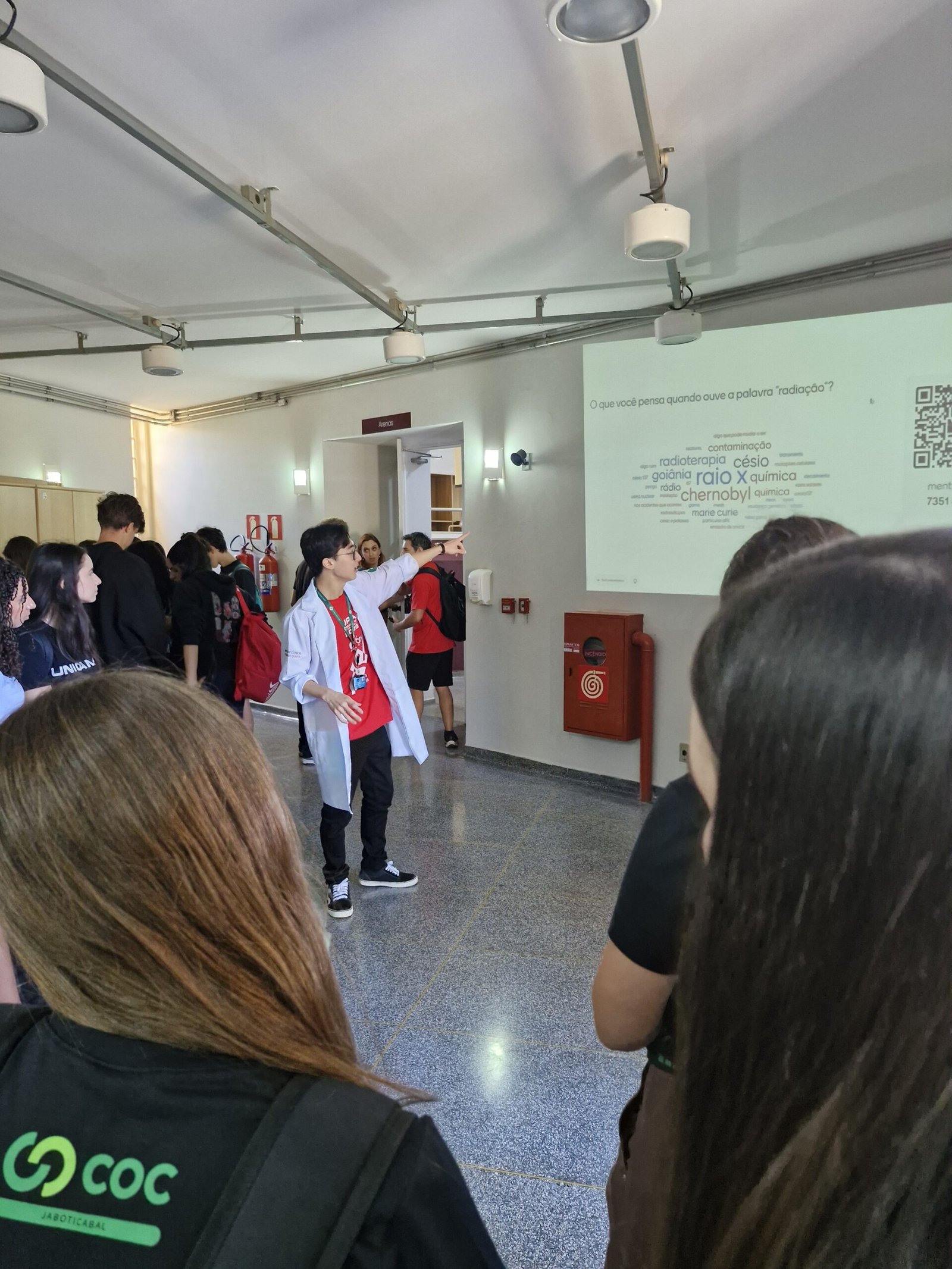
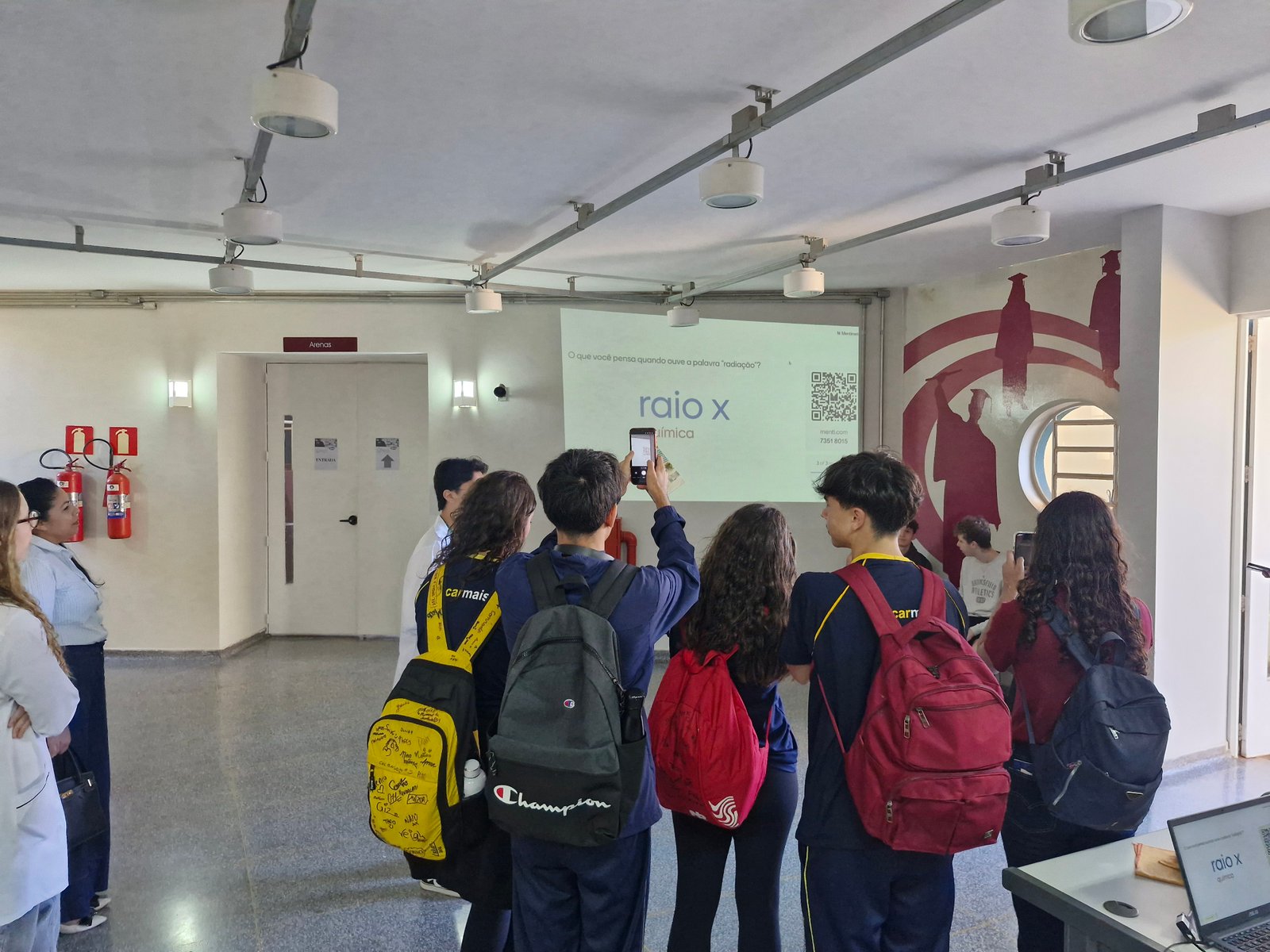
To deconstruct prejudices and bring the public closer to complex themes, CancerThera has prepared a dynamic and gamified immersion. Upon entering the anteroom of the arenas, the young people were received with the question ‘What do you think when you hear the word radiation?’. In seconds, the answers fed a cloud of words in real time on a screen, revealing myths, fears and important milestones related to the theme. X-rays, Marie Curie, Chernobyl, Radiotherapy, Cesio and Goiânia were among the most cited terms, demonstrating that the knowledge of the visitors extended from the first Nobel Prize-winning scientist, going through nuclear and radiological accidents to traditional cancer treatments.
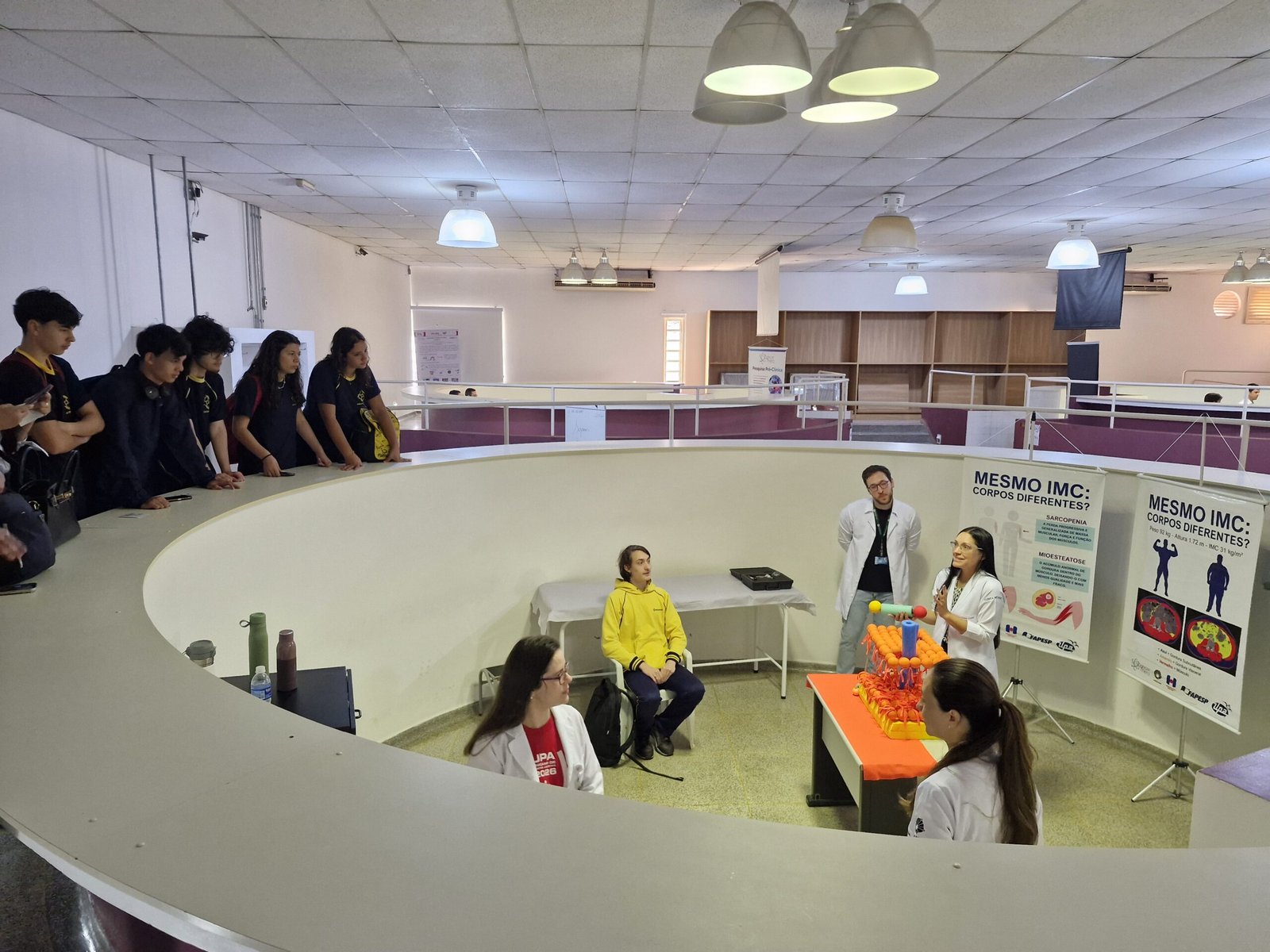
Then an interactive quizz with questions and answers about scientific concepts tested the participants’ knowledge in a light and relaxed way. After this introduction, the visitors traveled through four thematic arenas that designed the path of translational research, bringing the public closer to the practical performance of basic, pre-clinical and clinical research.
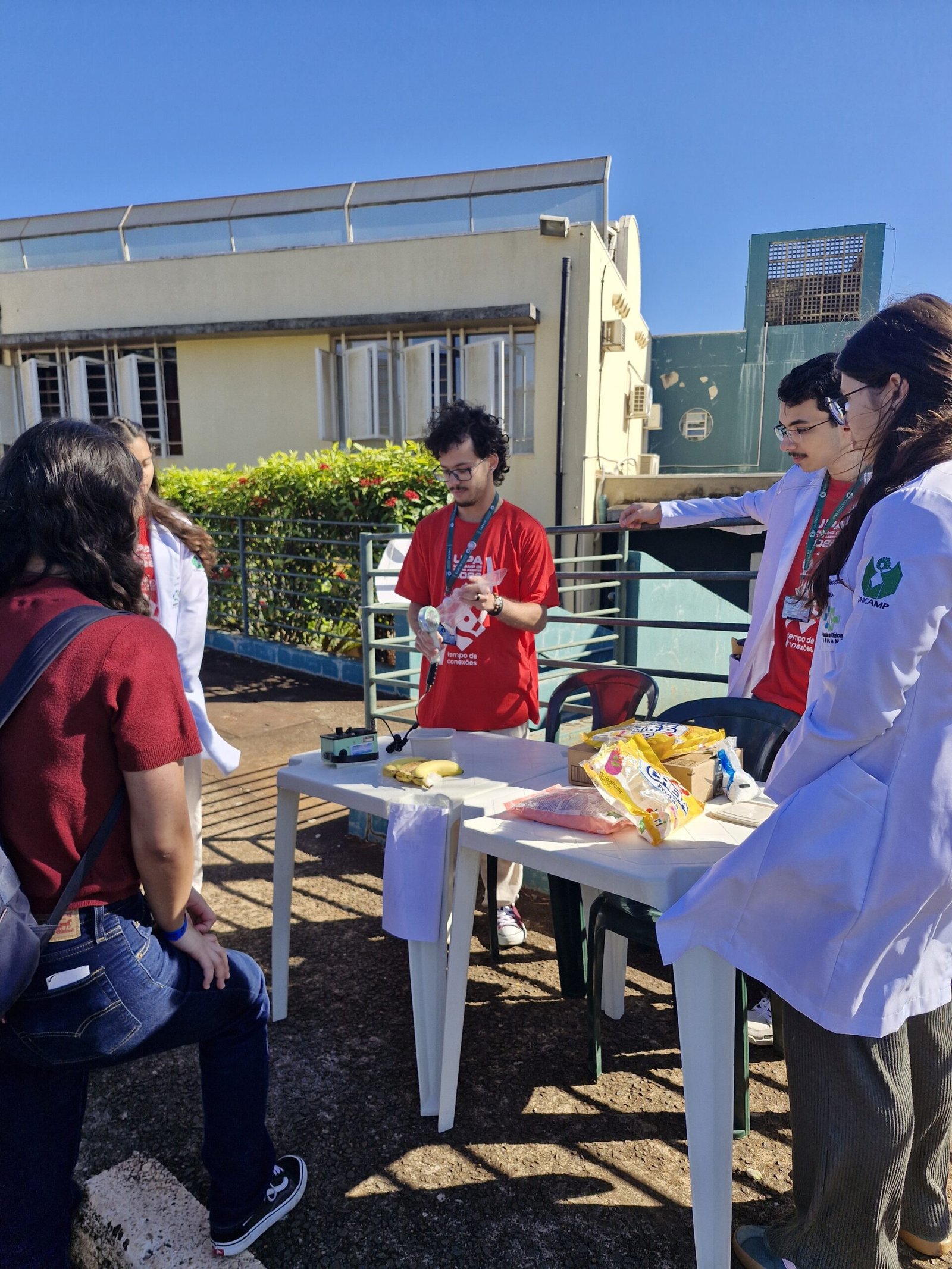
The circuit started at the CancerThera Arena, where visitors were introduced to the concept of the therapeutic and understood how radiopharmaceuticals. They are used for the diagnosis of cancer, through medical images. “There, they also learned that these images can be used to understand the patient’s metabolism and body composition, explain Dr. Maria Carolina Mendes, Nutritionist, Associate Researcher and Post-Doctorate in Research Management – Innovation and Technology Transfer at CancerThera. Afterwards, the public went to an arena dedicated to basic research, in which he participated alongside other researchers, the Dr. Pedro Paulo Corbi, chemist, professor at the Institute of Chemistry at Unicamp, lead researcher and manager of the innovation area at CancerThera. According to Corbi, the central objective of this route point was to show how metallodrugs, including radiopharmaceuticals, are synthesized. In the arena for pre-clinical research, visitors were able to Deepening the next step, understanding how testing on cells and biological models ensures the safety of substances.
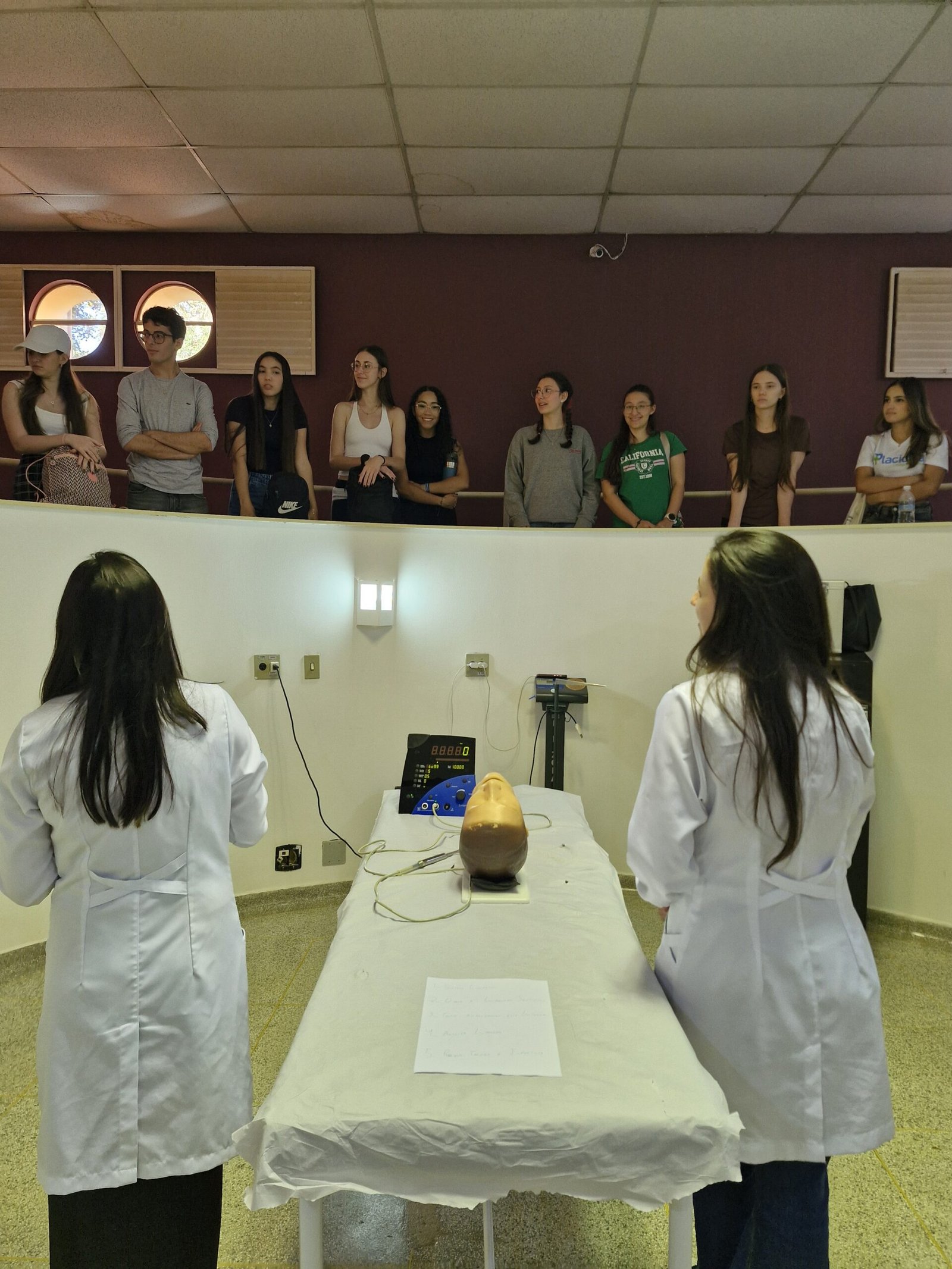
Finally, in the last arena, focused on clinical research, the arrival of these innovations to patients was addressed and the impact of direct on their quality of life guided the exchanges with the public.
Role reversal: the experience of freshmen
Crossing the university gates and talking directly with students who, until recently, were in the same position of doubt and expectation, turned the entrance exam into something palpable for many visitors. If for them the event was a watershed, for the students of the first year of Medicine at Unicamp, the UPA 2026 marked an exciting role reversal. Some of them, years ago, walked through the same blocks as college students full of uncertainties. Now, in the role of monitors, they put on their lab coat to welcome the next generation.
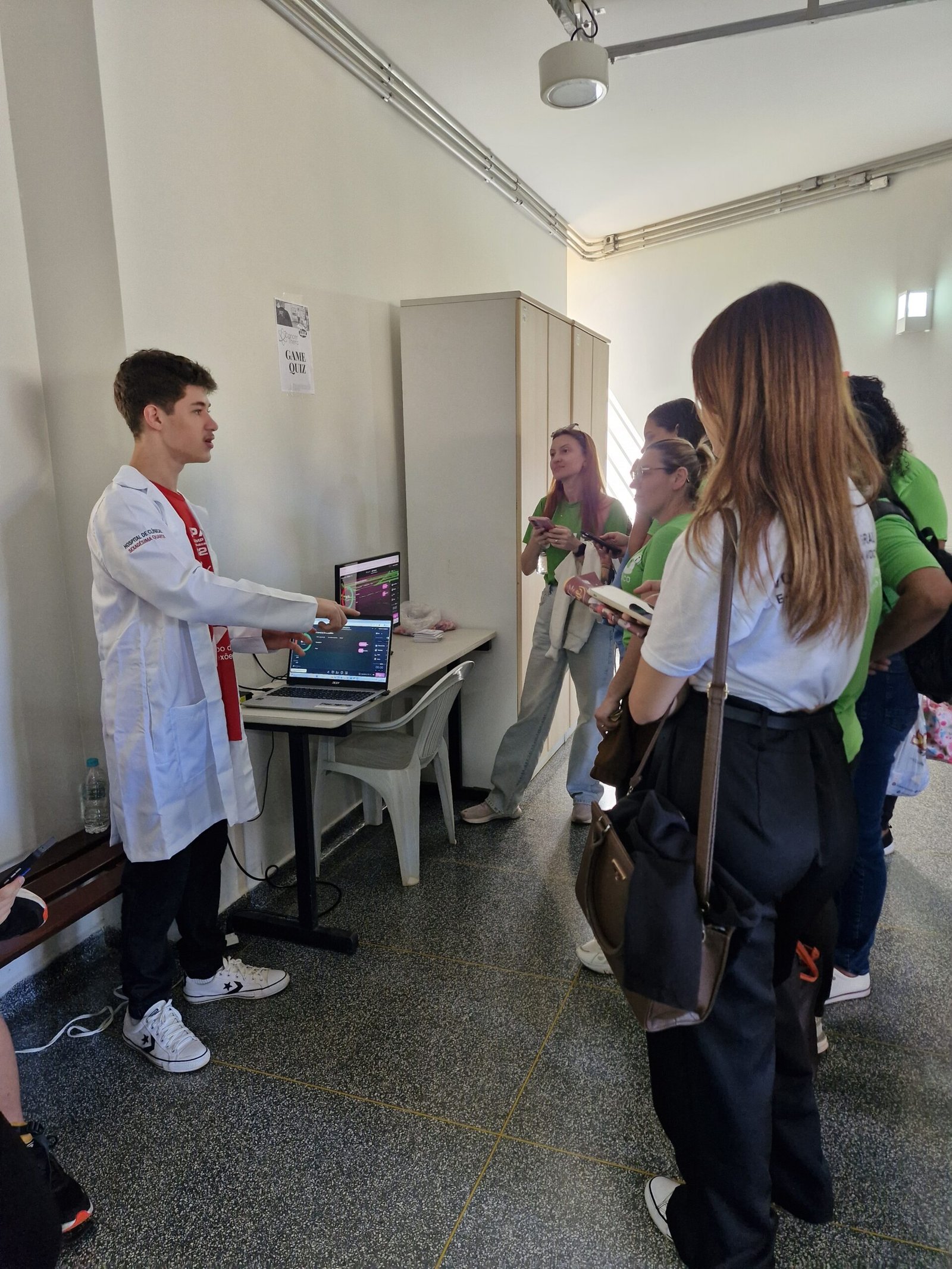
In this exact position, freshman Guilherme Eduardo Morales discovered at the event a taste for education and dialogue with the public. Monitor in the anteroom of the arenas, he noticed, when acting in the reception of the youngest, how much the dimension of teaching and sharing knowledge makes sense in his trajectory. The same enthusiasm is shared by the freshman Wiliam Ichi: “We are even more close to the students than to the doctors’ side. When we see these students with the profile we had last year, we feel a deep empathy and a huge desire to help”. Opportunities like this, evaluates Ichi, also reinforce the importance of the university remembering the participation of society in its maintenance. “When we do extension projects like this one, we are nothing more than fulfilling our function of integrating the knowledge we generate back to the population”, he concludes.
The medicine student Manuela Estato also highlighted the wealth of this continuous exchange provided by the event and recalled her own persistence before earning approval in the entrance exam — one of the most popular in the country. Young people being enchanted by oncology and leaving the arenas satisfied. When looking at the walk of those who are still looking for a vacancy, she encourages college students not to give up, reinforcing that “the path to becoming a doctor is very difficult, both getting in and continuing through the program and the career, but it is very rewarding. Once you get in, you realize it was all worth it.”
Text: Xenya Bucchioni