




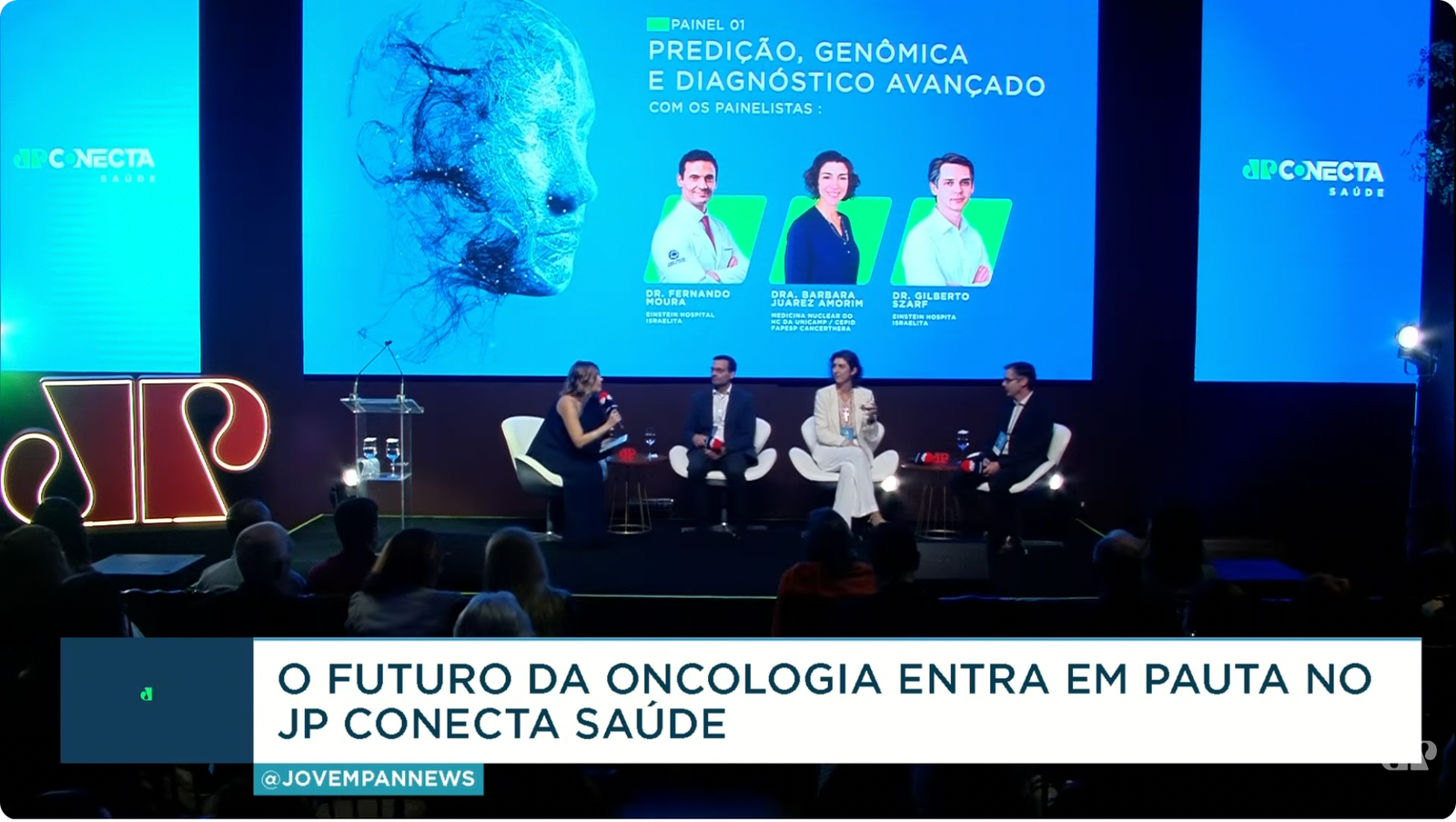
Technological advancement in medicine has radically transformed the way oncology faces one of its biggest challenges: the early and assertive detection of cancer. this scenario of profound changes was at the center of the debates of another thematic edition of the JP connects health – The Future of Oncology, an event held by Jovem Pan on September 16, in São Paulo, with support from Siemens Healthineers and Einstein Hospital Israelita. Bringing together clinical practice professionals, researchers and experts, the directions of innovation in the oncology sector were discussed through different perspectives and thematic panels.
With a structured program around complementary axes to cover the main challenges of the area, the event opened the work with the panel 1, dedicated to Prediction, genomics and advanced diagnosis, which debated new technologies for early and personalized diagnosis, with emphasis on genetics, imaging tests, therapeutics and artificial intelligence. Subsequently, the panel 2 approached the borders of cancer treatment, again exploring advances in therapies, as well as precision radiotherapy, interventional medicine and integrated patient care, while the panel 3 discussed gene therapies, research and training, highlighting clinical trials and the training of professionals for the future of the area.
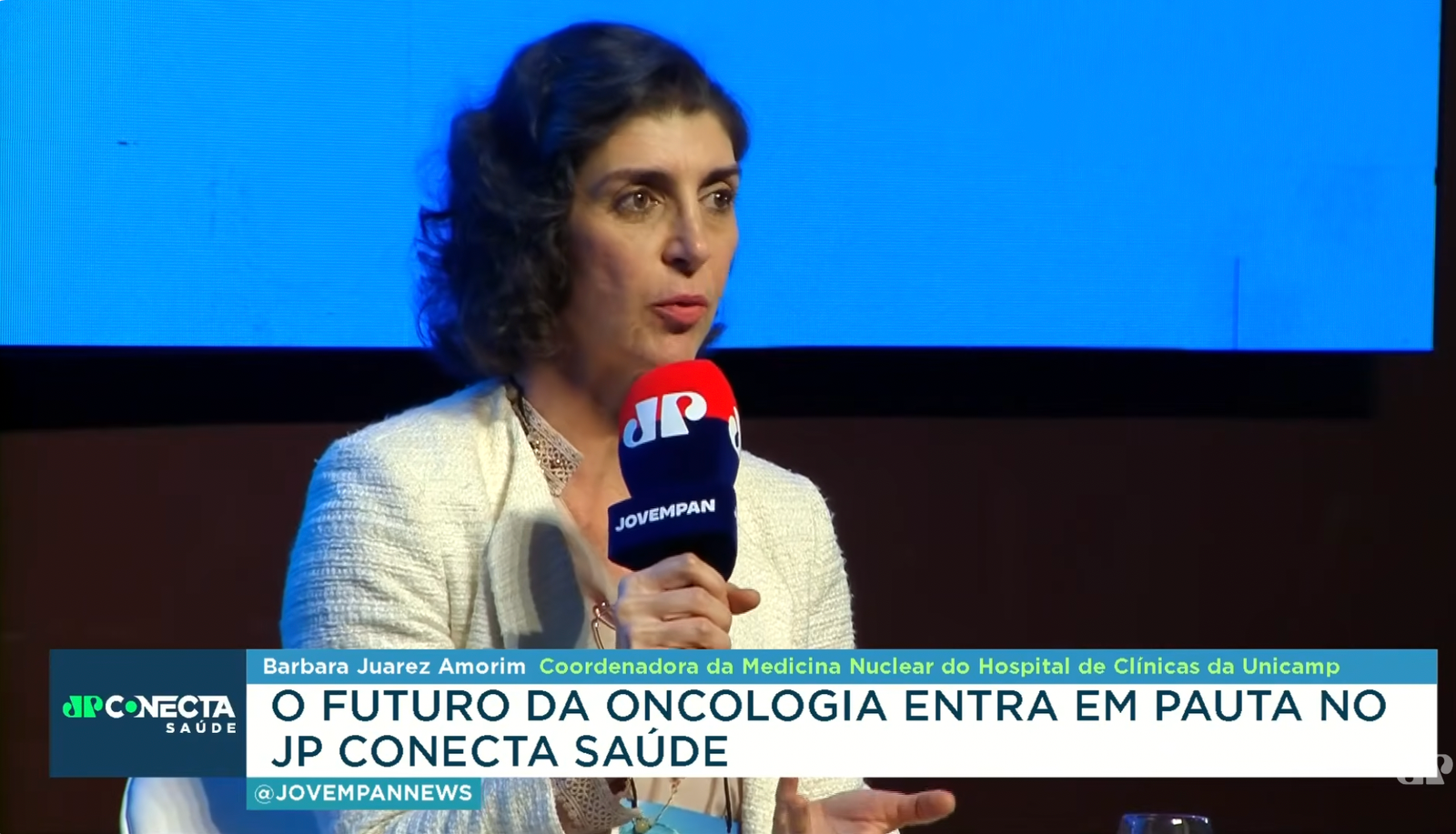
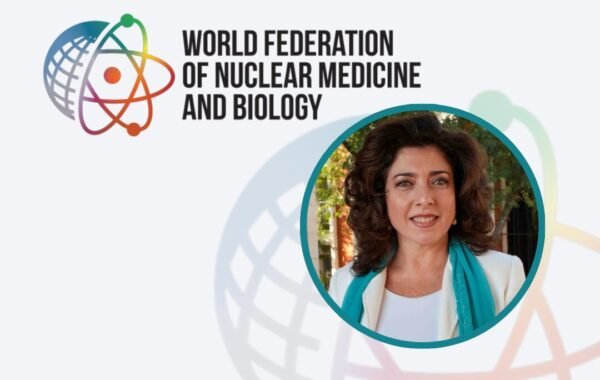
As part of the discussions of the first panel, Dr. Barbara Juarez Amorim, nuclear doctor, coordinator of the Nuclear Medicine Service of the Hospital de Clínicas da Unicamp and manager of dissemination of the knowledge of the CEPID CancerThera, took the perspective of nuclear medicine, a medical specialty that uses functional images and radiopharmaceuticals for diagnosis and treatment, to the center of the debate on the role of new diagnostic tools, the therapeutic and technological integration in clinical practice.
When reflecting on the importance of expanding these discussions beyond the academic walls, Amorim highlights that events such as JP Conecta play a fundamental role in bringing science closer to society and the different actors in the health sector. “It is essential that accurate information based on scientific evidence reaches the public. The best way to combat fake news is by bringing knowledge to people,” she points out.
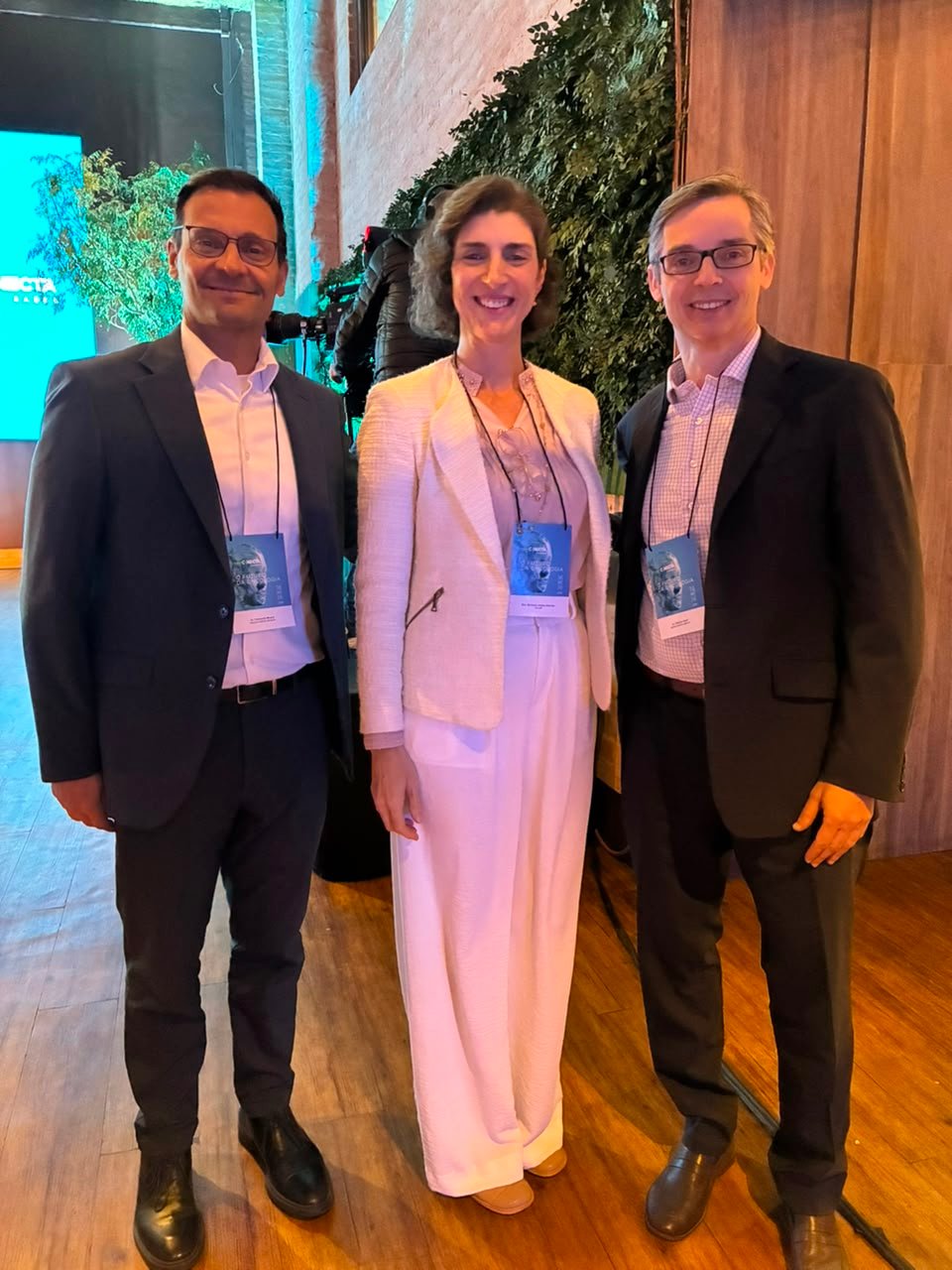
Amorim also emphasizes the importance of prevention and early diagnosis: “When we talk about oncology, we always have to remember the measures to prevent cancer such as good eating habits and physical activities. Furthermore, it is essential to widely publicize cancer screening and early detection methods, as early diagnosis offers patients a greater chance of a cure”.
The researcher also drew attention to the importance of talking about nuclear medicine and the therapeutic. “Nuclear medicine is a safe specialty and its imaging tests like PET/CT are highly sensitive to map tumor cells in the body. CancerThera is a great example of this and has researched new therapies with radiopharmaceuticals in various tumors”, she concludes.
Text: xenya bucchioni