






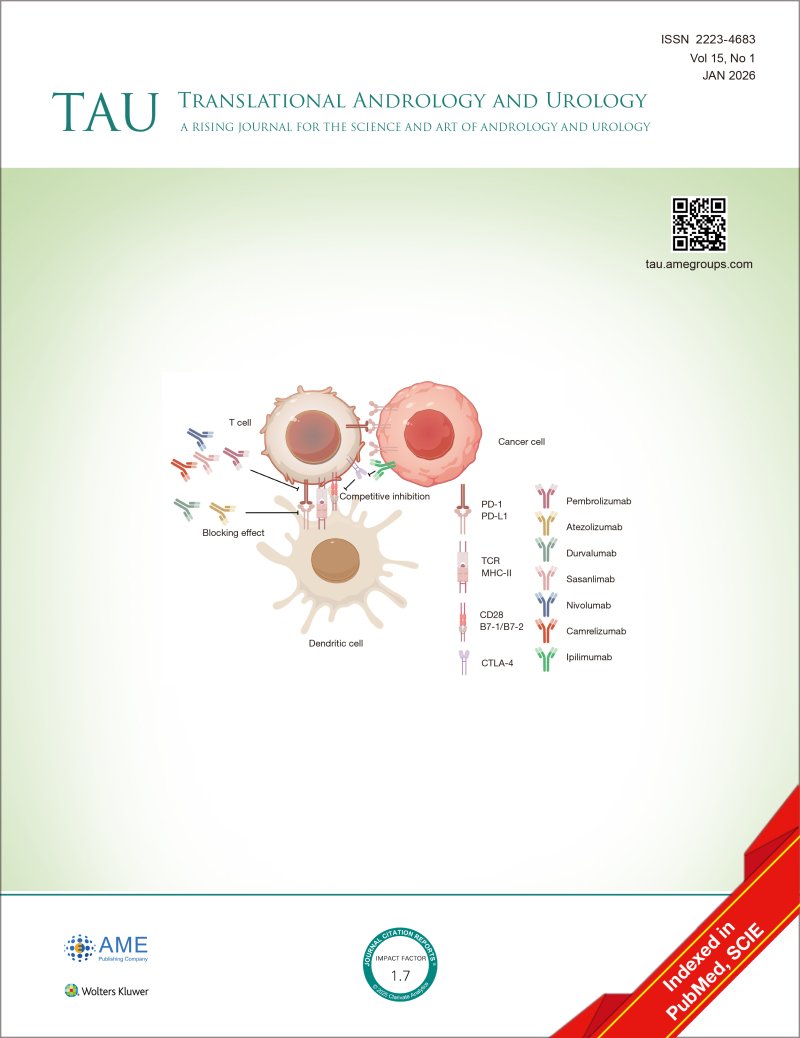

Prostate cancer is one of the leading causes of male mortality worldwide, becoming a major clinical challenge when it reaches the metastatic castration-resistant stage (when standard hormonal therapies no longer work). In Brazil, the National Cancer Institute (INCA) estimates that, between 2026 and 2028, there will be more than 77,000 new prostate cancer cases per year.
Traditionally, therapies using the radiopharmaceutical Lutetium-177-PSMA-617 have been reserved as a last resort for the final stages of the disease—after surgery, chemotherapy, and radiotherapy. However, in the editorial commentary (Insights from PSMAfore: impact on health-related quality of life) led by researchers from CEPID CancerThera, Grupo SOnHe/Hospital Vera Cruz, and Grupo MND, the authors highlight a promising shift: earlier use of this therapy to spare patients, for example, from the adverse effects of chemotherapy.
What is Lutetium-177-PSMA-617 therapy
This approach uses a radiopharmaceutical, a radioactive drug designed to act in a targeted manner by seeking and binding specifically to tumor cells. In Lutetium-177-PSMA-617 therapy, the targets are tumor cells that express the Prostate-Specific Membrane Antigen (PSMA), a protein highly present in prostate cancer lesions.
Once the target is found, the radiopharmaceutical releases highly localized radiation, affecting diseased tissue cells, reducing tumor activity, destroying tumors, and decreasing inflammation and pain. The key advantage of this radiopharmaceutical is that, by specifically focusing on PSMA-expressing cells, it spares surrounding healthy tissues from excessive radiation exposure, offering effective treatment with lower impact and toxicity than traditional systemic therapies such as chemotherapy.
The right time to treat
Dr. Elba Etchebehere, nuclear medicine physician, administrative director of Grupo MND, professor at the School of Medical Sciences of the University of Campinas, principal investigator at CancerThera, and one of the editorial authors, explains the relevance of this paradigm shift in clinical practice. The proposal is to use Lutetium-177-PSMA-617 soon after prostate cancer progression following first-line hormonal therapy, before the patient requires aggressive chemotherapeutic agents such as taxanes (including docetaxel and cabazitaxel).
Etchebehere emphasizes the main goal of the therapeutic strategy: “to offer an effective option before the disease becomes too advanced and before the need for more aggressive chemotherapy.” According to her, earlier use directly impacts patients’ routines, providing “more time of independence and functionality in daily activities”—such as driving, working, leaving home, and spending time with family—while also delaying serious complications.
The value of time lived with dignity
Safety data from the PSMAfore clinical study analyzed in the editorial show that treatment with the radiopharmaceutical delayed deterioration in quality of life and worsening pain by about three to four months compared with patients who only switched hormonal therapy.
In oncology practice, months represent an immeasurable gain. Caroline Torricelli, MSc, biomedical scientist, PhD candidate at FCM/Unicamp, CancerThera fellow, and first author of the article, says this period means “more time without pain or with controlled pain, allowing better sleep, mobility, and performance of simple activities.”
The focus shifts from counting days to valuing preserved routine: “For many patients, it is not just extra time, but time with fewer symptoms, greater dignity, and more functionality. So, the main point is not the duration, but how this time is lived,” she states.
Bone protection and pain relief
One of the greatest burdens for patients with advanced prostate tumors is bone metastasis, which causes intense pain and fracture risk. The study discussed by CancerThera researchers showed that early use of the radiopharmaceutical significantly reduced skeletal events, orthopedic surgeries, and the need for palliative radiotherapy.
But how does Lutetium-177-PSMA-617 therapy work in bones? Torricelli explains that the radiopharmaceutical “delivers radiation directly to cancer cells that express PSMA, a protein also present in other body tissues but highly expressed in bone lesions in metastatic prostate cancer.”
Specifically in these metastases, tumor activity responsible for inflammation, pain, and bone fragility is reduced, with less impact on surrounding healthy tissues compared with traditional systemic treatments. “With better lesion control, there is less compression of nerve structures and less inflammatory stimulus, which contributes to pain relief, mobility preservation, reduced fracture risk, and decreased need for other palliative therapies,” Etchebehere adds.
A gentler alternative to chemotherapy
Systemic chemotherapy (with docetaxel or cabazitaxel), although effective, is often feared by patients due to toxicities such as immunosuppression, nausea, hair loss, and extreme fatigue. In contrast, Lutetium-177-PSMA-617 offers a much more favorable safety profile.
“In treatment with Lutetium-177-PSMA-617, patients report a more preserved routine, with less impact on daily activities,” says Etchebehere. The most common side effects usually include mild to moderate fatigue and laboratory changes that physicians can manage easily. In addition, convenience is greater: administrations are performed in spaced cycles, allowing the patient’s body to recover between doses.
“Like any oncologic therapy, this radiopharmaceutical-based treatment is not risk-free, but for selected patients, the experience may be less burdensome, contributing to better quality of life during treatment,” highlights the nuclear medicine physician, who, in addition to Torricelli, also worked with the co-authorship of Dr. Natália Tobar, biomedical scientist at the Nuclear Medicine Service of the Hospital de Clínicas at Unicamp, and Dr. André Sasse, oncologist at Grupo SOnhe/Hospital Vera Cruz.
LEARN MORE | What is an editorial commentary?
In the scientific field, an editorial commentary is an article prepared by experts to analyze, interpret, and discuss the practical and clinical implications of a recent high-impact study. Rather than presenting new original research, the authors examine data from a recently published study to place its findings in context, highlight strengths and limitations, and guide the medical community.
An example is the article Insights from PSMAfore: impact on health-related quality of life, the focus of this report. The study discussed by the authors was the phase 3 clinical trial PSMAfore—specifically, a 2025 publication led by Fizazi and colleagues in Lancet Oncology: Health-related quality of life, pain, and symptomatic skeletal events with [177Lu]Lu-PSMA-617 in patients with progressive metastatic castration-resistant prostate cancer (PSMAfore): an open-label, randomised, phase 3 trial.
In this editorial commentary, the authors not only summarized the PSMAfore findings but actively interpreted the data to highlight that early use of Lutetium-177-PSMA-617 (before chemotherapy) delayed deterioration in quality of life and worsening bone pain by about three to four months. They used the commentary to show the medical community that this therapeutic strategy shift represents a real gain in routine, functionality, and dignity for patients with advanced prostate cancer.
Text: Romulo Santana Osthues