






PUBLICACIONES
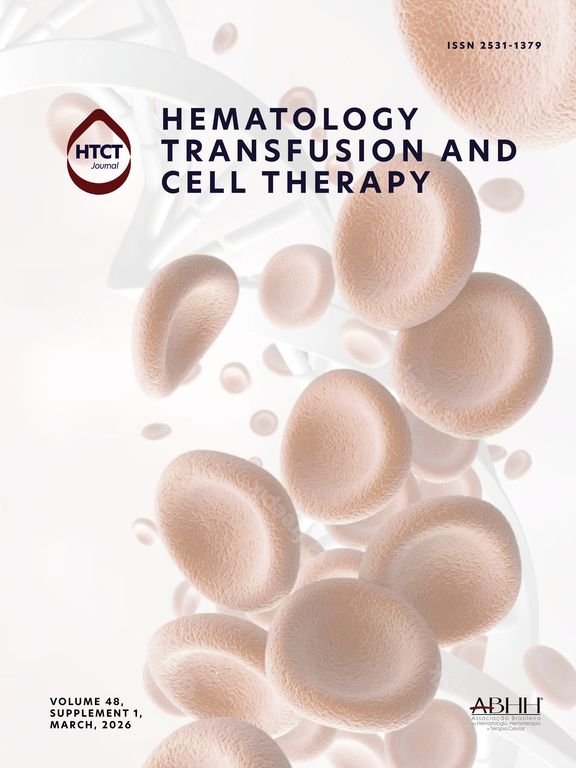
Papers presentados en el 3.er Congreso CancerThera
Suplemento de la revista Hematología, Transfusión y Terapia Celular (V. 48, S. 1, Mar. 2026) con resúmenes de la tercera edición del congreso, celebrado del 11 al 13 de marzo de 2026 en Campinas.
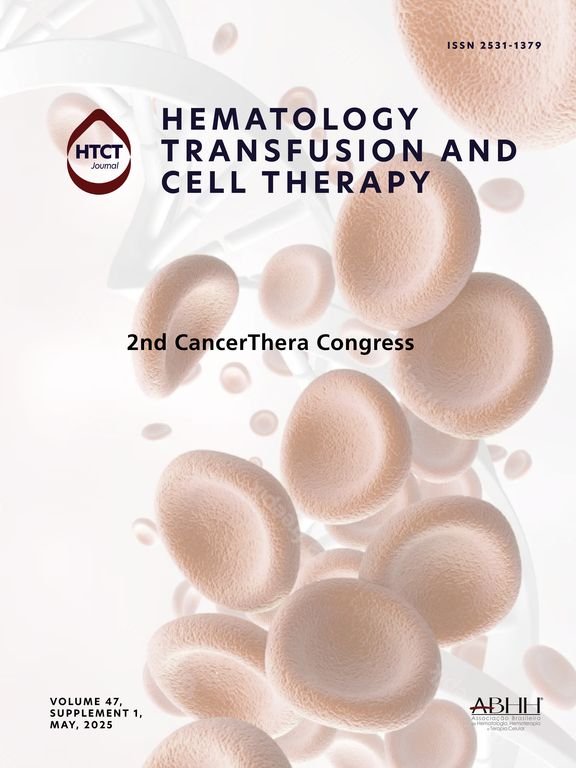
Papers presentados en el 2º Congreso CancerThera
Suplemento de la revista Hematología, Transfusión y Terapia Celular (Vol. 47, Núm. S1, mayo de 2025) con resúmenes de la segunda edición del congreso, celebrada los días 4 y 5 de abril en Campinas.
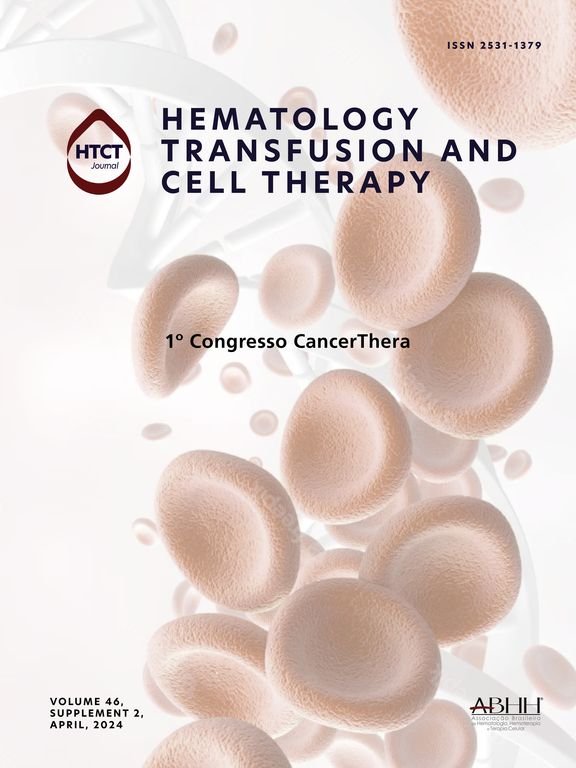
Papers presentados en el 1.er Congreso CancerThera
Suplemento de la revista Hematology, Transfusion and Cell Therapy (V. 46, S. 2, abril de 2024) que presenta los resúmenes de nuestro evento, celebrado los días 19 y 20 de abril en Campinas.
2026
de Lacerda, Meiry Leandra; Costa, Letícia Roberta Martins; da Silva Coimbra, Dayanne Maria; de Menezes Pereira, Gabriele; Silva, Clara Maria Faria; Corbi, Pedro Paulo; Rossi, Daise Aparecida; de Oliveira Júnior, Robson José; de Melo, Roberta Torres; Guerra, Wendell
A new palladium(II) complex containing ethylenediamine and 2-thioxo-4-thiazolidinone exhibits high activity against resistant Campylobacter jejuni strains Artículo de revista
En: Inorganica Chimica Acta, vol. 589, 2026, ISSN: 0020-1693.
@article{deLacerda2026b,

title = {A new palladium(II) complex containing ethylenediamine and 2-thioxo-4-thiazolidinone exhibits high activity against resistant Campylobacter jejuni strains},

author = {Meiry Leandra de Lacerda and Letícia Roberta Martins Costa and Dayanne Maria da Silva Coimbra and Gabriele de Menezes Pereira and Clara Maria Faria Silva and Pedro Paulo Corbi and Daise Aparecida Rossi and Robson José de Oliveira Júnior and Roberta Torres de Melo and Wendell Guerra},

doi = {10.1016/j.ica.2025.122913},

issn = {0020-1693},

year  = {2026},

date = {2026-01-00},

urldate = {2026-01-00},

journal = {Inorganica Chimica Acta},

volume = {589},

publisher = {Elsevier BV},

keywords = {},

pubstate = {published},

tppubtype = {article}

}
Mastrobuono-Cordeiro, Francisco; Nunes, Julia H. Bormio; de M. Pereira, Gabriele; Nakahata, Douglas H.; Frajácomo, Silmara C. L.; Lustri, Wilton R.; de Carvalho, João Ernesto; Pereira, Douglas H.; Ruiz, Ana Lúcia T. G.; de Paiva, Raphael E. F.; Corbi, Pedro P.
Synthesis, structural characterization and biological evaluation of silver(I) complexes with 2-thiouracil and 2,4-dithiouracil Artículo de revista
En: Inorganica Chimica Acta, vol. 590, 2026, ISSN: 0020-1693.
@article{Mastrobuono-Cordeiro2026,

title = {Synthesis, structural characterization and biological evaluation of silver(I) complexes with 2-thiouracil and 2,4-dithiouracil},

author = {Francisco Mastrobuono-Cordeiro and Julia H. Bormio Nunes and Gabriele de M. Pereira and Douglas H. Nakahata and Silmara C.L. Frajácomo and Wilton R. Lustri and João Ernesto de Carvalho and Douglas H. Pereira and Ana Lúcia T.G. Ruiz and Raphael E.F. de Paiva and Pedro P. Corbi},

doi = {10.1016/j.ica.2025.122971},

issn = {0020-1693},

year  = {2026},

date = {2026-01-00},

urldate = {2026-01-00},

journal = {Inorganica Chimica Acta},

volume = {590},

publisher = {Elsevier BV},

keywords = {},

pubstate = {published},

tppubtype = {article}

}
2025
Coelho, Maria Paula M.; de Menezes Pereira, Gabriele; Corbi, Pedro Paulo; Nakahata, Douglas H.; Gandin, Valentina; Donati, Chiara; Vecina, Juliana F.; Ruiz, Ana Lucia T. G.
Exploring biological properties of sulfa-based copper(II) complexes: in vitro genotoxicity, cytotoxicity (2D and 3D) and mechanistic insights Artículo de revista
En: Biometals, vol. 38, no 5, pp. 1551–1567, 2025, ISSN: 1572-8773.
@article{Coelho2025,

title = {Exploring biological properties of sulfa-based copper(II) complexes: in vitro genotoxicity, cytotoxicity (2D and 3D) and mechanistic insights},

author = {Maria Paula M. Coelho and Gabriele de Menezes Pereira and Pedro Paulo Corbi and Douglas H. Nakahata and Valentina Gandin and Chiara Donati and Juliana F. Vecina and Ana Lucia T. G. Ruiz},

doi = {10.1007/s10534-025-00719-0},

issn = {1572-8773},

year  = {2025},

date = {2025-10-00},

urldate = {2025-10-00},

journal = {Biometals},

volume = {38},

number = {5},

pages = {1551--1567},

publisher = {Springer Science and Business Media LLC},

keywords = {},

pubstate = {published},

tppubtype = {article}

}
Nakahata, Douglas H.; de M. Pereira, Gabriele; Ribeiro, Marcos A.; Oliveira, Igor S.; de Oliveira Moreira, Josélia C.; Pontes, Robson; de Carvalho, João E.; Ruiz, Ana Lucia T. G.; Farrell, Nicholas P.; Corbi, Pedro P.
Pd(II) complexes of 4-(2-aminoethyl)benzenesulfonamide Schiff bases: Structure, DNA binding and antiproliferative activity Artículo de revista
En: Inorganica Chimica Acta, vol. 581, 2025, ISSN: 0020-1693.
@article{Nakahata2025,

title = {Pd(II) complexes of 4-(2-aminoethyl)benzenesulfonamide Schiff bases: Structure, DNA binding and antiproliferative activity},

author = {Douglas H. Nakahata and Gabriele de M. Pereira and Marcos A. Ribeiro and Igor S. Oliveira and Josélia C. de Oliveira Moreira and Robson Pontes and João E. de Carvalho and Ana Lucia T.G. Ruiz and Nicholas P. Farrell and Pedro P. Corbi},

doi = {10.1016/j.ica.2025.122659},

issn = {0020-1693},

year  = {2025},

date = {2025-06-00},

urldate = {2025-06-00},

journal = {Inorganica Chimica Acta},

volume = {581},

publisher = {Elsevier BV},

keywords = {},

pubstate = {published},

tppubtype = {article}

}
Pereira, Gabriel Sthefano Lourenço; de Souza, Patrícia Tonon; Flozino, Grace Kelly Mizuno; Almeida, Rafael Fernandes; Sobral, Dhayna Oliveira; Morgano, Marcelo Antonio; Lustri, Wilton Rogério; Lazarini, Silmara Cristina; Corbi, Pedro Paulo; de Almeida Meirelles, Antonio José; Maximo, Guilherme José; Batista, Eduardo Augusto Caldas; Sampaio, Klicia Araujo
Evaluation of quality parameters, physicochemical and bioactive properties of licuri oil (Syagrus coronata) Artículo de revista
En: Food Research International, vol. 208, 2025, ISSN: 0963-9969.
@article{Pereira2025,

title = {Evaluation of quality parameters, physicochemical and bioactive properties of licuri oil (Syagrus coronata)},

author = {Gabriel Sthefano Lourenço Pereira and Patrícia Tonon de Souza and Grace Kelly Mizuno Flozino and Rafael Fernandes Almeida and Dhayna Oliveira Sobral and Marcelo Antonio Morgano and Wilton Rogério Lustri and Silmara Cristina Lazarini and Pedro Paulo Corbi and Antonio José de Almeida Meirelles and Guilherme José Maximo and Eduardo Augusto Caldas Batista and Klicia Araujo Sampaio},

doi = {10.1016/j.foodres.2025.116157},

issn = {0963-9969},

year  = {2025},

date = {2025-05-00},

urldate = {2025-05-00},

journal = {Food Research International},

volume = {208},

publisher = {Elsevier BV},

keywords = {},

pubstate = {published},

tppubtype = {article}

}
de Menezes Pereira, Gabriele; Nunes, Julia Helena Bormio; Frajácomo, Silmara Cristina Lazarini; Lustri, Wilton Rogério; Bergamini, Fernando Rodrigues Goulart; de Oliveira Moreira, Josélia Cristina; Pontes, Robson; Ruiz, Ana Lucia T. G.; de Carvalho, João Ernesto; Barros, Wdeson Pereira; Corbi, Pedro Paulo
Investigating the Antibacterial and Antitumoral Activities of New Copper(II) Complexes with Trifluoromethyluracil Isomers Artículo de revista
En: ChemistrySelect, vol. 10, no 6, 2025, ISSN: 2365-6549.
@article{Pereira2025b,

title = {Investigating the Antibacterial and Antitumoral Activities of New Copper(II) Complexes with Trifluoromethyluracil Isomers},

author = {Gabriele de Menezes Pereira and Julia Helena Bormio Nunes and Silmara Cristina Lazarini Frajácomo and Wilton Rogério Lustri and Fernando Rodrigues Goulart Bergamini and Josélia Cristina de Oliveira Moreira and Robson Pontes and Ana Lucia T. G. Ruiz and João Ernesto de Carvalho and Wdeson Pereira Barros and Pedro Paulo Corbi},

doi = {10.1002/slct.202405096},

issn = {2365-6549},

year  = {2025},

date = {2025-02-00},

urldate = {2025-02-00},

journal = {ChemistrySelect},

volume = {10},

number = {6},

publisher = {Wiley},

abstract = {<jats:title>Abstract</jats:title>

                  <jats:p>

                    New copper(II) complexes, derived from the isomers 5‐(trifluoromethyl)uracil (

                    <jats:bold>

                      L

                      <jats:sub>1</jats:sub>

                    </jats:bold>

                    ) and 6‐(trifluoromethyl)uracil (

                    <jats:bold>

                      L

                      <jats:sub>2</jats:sub>

                    </jats:bold>

                    ) with 2,2′‐bipyridine (

                    <jats:bold>Bpy</jats:bold>

                    ), [Cu(H

                    <jats:sub>2</jats:sub>

                    O)(L

                    <jats:sub>1</jats:sub>

                    )

                    <jats:sub>2</jats:sub>

                    Bpy] and [Cu(H

                    <jats:sub>2</jats:sub>

                    O)(L

                    <jats:sub>2</jats:sub>

                    )

                    <jats:sub>2</jats:sub>

                    Bpy], were synthesized, characterized, and evaluated for their antibacterial and antitumoral properties. Chemical analyses suggest the molecular formula CuC

                    <jats:sub>20</jats:sub>

                    H

                    <jats:sub>12</jats:sub>

                    F

                    <jats:sub>6</jats:sub>

                    N

                    <jats:sub>6</jats:sub>

                    O

                    <jats:sub>4</jats:sub>

                    ·H

                    <jats:sub>2</jats:sub>

                    O for both complexes. Infrared spectroscopic analyses indicate that trifluoromethyluracil isomers coordinate to copper(II) by the oxygen atoms. Structural confirmation of the [Cu(H

                    <jats:sub>2</jats:sub>

                    O)(L

                    <jats:sub>2</jats:sub>

                    )

                    <jats:sub>2</jats:sub>

                    Bpy] complex was obtained by single crystal X‐ray diffraction, where two L

                    <jats:sub>2</jats:sub>

                    molecules coordinate to the copper(II) ion by both oxygen atoms from carbonyl groups. The complexes demonstrated antibacterial activity against Gram‐positive

                    <jats:italic>Staphylococcus aureus</jats:italic>

                    and

                    <jats:italic>Bacillus cereus</jats:italic>

                    , and Gram‐negative

                    <jats:italic>Pseudomonas aeruginosa</jats:italic>

                    and

                    <jats:italic>Escherichia coli</jats:italic>

                    strains. The [Cu(H

                    <jats:sub>2</jats:sub>

                    O)(L

                    <jats:sub>1</jats:sub>

                    )

                    <jats:sub>2</jats:sub>

                    Bpy] complex exhibited the most promising results against

                    <jats:italic>P. aeruginosa</jats:italic>

                    , with a minimum inhibitory concentration (MIC) value of 0.478 mmol L

                    <jats:sup>−1</jats:sup>

                    . The [Cu(H

                    <jats:sub>2</jats:sub>

                    O)(L

                    <jats:sub>1</jats:sub>

                    )

                    <jats:sub>2</jats:sub>

                    Bpy] complex demonstrated antiproliferative effects on U251 and MCF‐7 cells, with GI

                    <jats:sub>50</jats:sub>

                    values (concentration that inhibits 50% of cell growth) of 2.18 ± 1.17 and 16.00 ± 10.07 µmol·L

                    <jats:sup>−1</jats:sup>

                    , whereas the [Cu(H

                    <jats:sub>2</jats:sub>

                    O)(L

                    <jats:sub>2</jats:sub>

                    )

                    <jats:sub>2</jats:sub>

                    Bpy] complex inhibited the growth of FaDu and U251 cells (GI

                    <jats:sub>50</jats:sub>

                    values 4.70 ± 2.69 µmol·L

                    <jats:sup>−1</jats:sup>

                    and 9.06 ± 3.86 µmol·L

                    <jats:sup>−1</jats:sup>

                    , respectively). Neither the precursors nor the copper(II) complexes affected the structure of CT‐DNA at the evaluated concentrations, suggesting that DNA is not the main cellular target of the complexes.

                  </jats:p>},

keywords = {},

pubstate = {published},

tppubtype = {article}

}
<jats:p>
New copper(II) complexes, derived from the isomers 5‐(trifluoromethyl)uracil (
<jats:bold>
L
<jats:sub>1</jats:sub>
</jats:bold>
) and 6‐(trifluoromethyl)uracil (
<jats:bold>
L
<jats:sub>2</jats:sub>
</jats:bold>
) with 2,2′‐bipyridine (
<jats:bold>Bpy</jats:bold>
), [Cu(H
<jats:sub>2</jats:sub>
O)(L
<jats:sub>1</jats:sub>
)
<jats:sub>2</jats:sub>
Bpy] and [Cu(H
<jats:sub>2</jats:sub>
O)(L
<jats:sub>2</jats:sub>
)
<jats:sub>2</jats:sub>
Bpy], were synthesized, characterized, and evaluated for their antibacterial and antitumoral properties. Chemical analyses suggest the molecular formula CuC
<jats:sub>20</jats:sub>
H
<jats:sub>12</jats:sub>
F
<jats:sub>6</jats:sub>
N
<jats:sub>6</jats:sub>
O
<jats:sub>4</jats:sub>
·H
<jats:sub>2</jats:sub>
O for both complexes. Infrared spectroscopic analyses indicate that trifluoromethyluracil isomers coordinate to copper(II) by the oxygen atoms. Structural confirmation of the [Cu(H
<jats:sub>2</jats:sub>
O)(L
<jats:sub>2</jats:sub>
)
<jats:sub>2</jats:sub>
Bpy] complex was obtained by single crystal X‐ray diffraction, where two L
<jats:sub>2</jats:sub>
molecules coordinate to the copper(II) ion by both oxygen atoms from carbonyl groups. The complexes demonstrated antibacterial activity against Gram‐positive
<jats:italic>Staphylococcus aureus</jats:italic>
and
<jats:italic>Bacillus cereus</jats:italic>
, and Gram‐negative
<jats:italic>Pseudomonas aeruginosa</jats:italic>
and
<jats:italic>Escherichia coli</jats:italic>
strains. The [Cu(H
<jats:sub>2</jats:sub>
O)(L
<jats:sub>1</jats:sub>
)
<jats:sub>2</jats:sub>
Bpy] complex exhibited the most promising results against
<jats:italic>P. aeruginosa</jats:italic>
, with a minimum inhibitory concentration (MIC) value of 0.478 mmol L
<jats:sup>−1</jats:sup>
. The [Cu(H
<jats:sub>2</jats:sub>
O)(L
<jats:sub>1</jats:sub>
)
<jats:sub>2</jats:sub>
Bpy] complex demonstrated antiproliferative effects on U251 and MCF‐7 cells, with GI
<jats:sub>50</jats:sub>
values (concentration that inhibits 50% of cell growth) of 2.18 ± 1.17 and 16.00 ± 10.07 µmol·L
<jats:sup>−1</jats:sup>
, whereas the [Cu(H
<jats:sub>2</jats:sub>
O)(L
<jats:sub>2</jats:sub>
)
<jats:sub>2</jats:sub>
Bpy] complex inhibited the growth of FaDu and U251 cells (GI
<jats:sub>50</jats:sub>
values 4.70 ± 2.69 µmol·L
<jats:sup>−1</jats:sup>
and 9.06 ± 3.86 µmol·L
<jats:sup>−1</jats:sup>
, respectively). Neither the precursors nor the copper(II) complexes affected the structure of CT‐DNA at the evaluated concentrations, suggesting that DNA is not the main cellular target of the complexes.
</jats:p>
de Araujo Fernandes, André Gustavo; Lafratta, Alyne Eloise; Luz, Carolina Portela; Levy, Debora; de Paula Faria, Daniele; Buchpiguel, Carlos Alberto; Abram, Ulrich; Deflon, Victor Marcelo; Marques, Fabio Luiz Navarro
[99mTc]Technetium and Rhenium Dithiocarbazate Complexes: Chemical Synthesis and Biological Assessment Artículo de revista
En: Pharmaceutics, vol. 17, no 1, 2025, ISSN: 1999-4923.
@article{deAraujoFernandes2025,

title = {[99mTc]Technetium and Rhenium Dithiocarbazate Complexes: Chemical Synthesis and Biological Assessment},

author = {André Gustavo de Araujo Fernandes and Alyne Eloise Lafratta and Carolina Portela Luz and Debora Levy and Daniele de Paula Faria and Carlos Alberto Buchpiguel and Ulrich Abram and Victor Marcelo Deflon and Fabio Luiz Navarro Marques},

doi = {10.3390/pharmaceutics17010100},

issn = {1999-4923},

year  = {2025},

date = {2025-01-00},

urldate = {2025-01-00},

journal = {Pharmaceutics},

volume = {17},

number = {1},

publisher = {MDPI AG},

abstract = {<jats:p>Background/Objectives: Dithiocarbazates (DTCs) and their metal complexes have been studied regarding their property as anticancer activities. In this work, using S-benzyl-5-hydroxy-3-methyl-5-phenyl-4,5-dihydro-1H-pirazol-1-carbodithionate (H2bdtc), we prepared [ReO(bdtc)(Hbdtc)] and [[99mTc]TcO(bdtc)(Hbdtc)] complexes for tumor uptake and animal biodistribution studies. Methods: Re complex was prepared by a reaction of H2bdtc and (NBu4)[ReOCl4], the final product was characterized by IR, 1H NMR, CHN, and MS-ESI. 99mTc complex was prepared by the reaction of H2bdtc and [[99mTc]TcO4− and analyzed by planar and HPLC radiochromatography, and the stability was evaluated against amino acids and plasma. Biodistribution was performed in C57B/6 mice with B16F10 and TM1M implanted tumor. Results: Re is asymmetric coordinated by two dithiocarbazate ligands, one with O,N,S chelation, and the other with N,S chelation; [[99mTc]TcO(bdtc)(Hbdtc)] was prepared with a radiochemical yield of around 93%. The radioactive complex is hydrophobic (LogP = 1.03), stable for 6 h in PBS and L-histidine solution; stable for 1 h in plasma, but unstable in the presence of L-cysteine. Ex vivo biodistribution demonstrated that the compound has a fast and persistent (until 2 h) uptake by the spleen (55.46%), and tumor B16F10 and TM1M uptake is lower than 1%. In vivo SPECT/CT imaging confirmed ex vivo biodistribution, except by heterogenous TM1M accumulation but not in the B16-F10 lineage. Conclusions: H2bdtc proved to be an interesting chelator for rhenium or [99mTc]technetium. The right spleen uptake opened the opportunity to deepen the study of the molecule in this tissue and justifies future studies to identify the reason of heterogenous uptake in TM1M tumor uptake.</jats:p>},

keywords = {},

pubstate = {published},

tppubtype = {article}

}
de Menezes Pereira, Gabriele; Nunes, Julia H. Bormio; Macedo, Vinicius Souza; Pereira, Douglas Henrique; Buglio, Kaio Eduardo; Affonso, Daniele D.; Ruiz, Ana Lucia T. G.; de Carvalho, João Ernesto; Frajácomo, Silmara Cristina L.; Lustri, Wilton R.; Lima, Carmen Silvia Passos; Bergamini, Fernando R. G.; Cuin, Alexandre; Masciocchi, Norberto; Corbi, Pedro Paulo
Antibacterial profile and antiproliferative activities over human tumor cells of new silver(I) complexes containing two distinct trifluoromethyl uracil isomers Artículo de revista
En: Journal of Inorganic Biochemistry, vol. 262, 2025, ISSN: 0162-0134.
@article{deMenezesPereira2025b,

title = {Antibacterial profile and antiproliferative activities over human tumor cells of new silver(I) complexes containing two distinct trifluoromethyl uracil isomers},

author = {Gabriele de Menezes Pereira and Julia H. Bormio Nunes and Vinicius Souza Macedo and Douglas Henrique Pereira and Kaio Eduardo Buglio and Daniele D. Affonso and Ana Lucia T.G. Ruiz and João Ernesto de Carvalho and Silmara Cristina L. Frajácomo and Wilton R. Lustri and Carmen Silvia Passos Lima and Fernando R.G. Bergamini and Alexandre Cuin and Norberto Masciocchi and Pedro Paulo Corbi},

doi = {10.1016/j.jinorgbio.2024.112752},

issn = {0162-0134},

year  = {2025},

date = {2025-01-00},

urldate = {2025-01-00},

journal = {Journal of Inorganic Biochemistry},

volume = {262},

publisher = {Elsevier BV},

keywords = {},

pubstate = {published},

tppubtype = {article}

}
dos Santos, Paulo Victor P.; Glanzmann, Nícolas; da Silva, Adilson D.; Pavan, Fernando R.; Canales, Christian S. C.; Roque‑Borda, Cesar A.; Corbi, Pedro P.; Pereira, Douglas H.; D'Oliveira, Kaíque A.; Cuin, Alexandre
High Selective N-Acylhydrazones Silver(I) Complexes against Tuberculosis Artículo de revista
En: J. Braz. Chem. Soc., 2025, ISSN: 1678-4790.
@article{P.dosSantos2025,

title = {High Selective N-Acylhydrazones Silver(I) Complexes against Tuberculosis},

author = {Paulo Victor P. dos Santos and Nícolas Glanzmann and Adilson D. da Silva and Fernando R. Pavan and Christian S. C. Canales and Cesar A. Roque‑Borda and Pedro P. Corbi and Douglas H. Pereira and Kaíque A. D'Oliveira and Alexandre Cuin},

doi = {10.21577/0103-5053.20250093},

issn = {1678-4790},

year  = {2025},

date = {2025-00-00},

urldate = {2025-00-00},

journal = {J. Braz. Chem. Soc.},

publisher = {Sociedade Brasileira de Quimica (SBQ)},

abstract = {<jats:p>In the present work, synthesis, characterization, and biological assays of seven N-acylhydrazones

derivatives of isoniazid and their corresponding silver(I) complexes are described. The compounds

were characterized by elemental analysis, infrared (IR) and 1 H, 13C and 1

H-15N nuclear magnetic

resonance (NMR) spectroscopic measurements, and molar conductivity over 48 h assays. Density

functional theory (DFT) studies also were employed in order to structural elucidation of the

seven silver(I) complexes. All the synthesized silver complexes have shown minimum inhibitory

concentration (MIC90) values against Mycobacterium tuberculosis - MtbH37Rv (ATCC 27294)

lower than 7.421 mg L–1. The AgIZBEN complex showed the most promising anti-tuberculosis

action, with MIC90 of 0.956 mg L–1 and selectivity index (SI) = 29.3 while the AgIZpAN showed

SI higher than 460 and MIC90 of 1.077 mg L–1. The free acylhydrazones derivatives also showed

SI higher than 20.</jats:p>},

keywords = {},

pubstate = {published},

tppubtype = {article}

}
derivatives of isoniazid and their corresponding silver(I) complexes are described. The compounds
were characterized by elemental analysis, infrared (IR) and 1 H, 13C and 1
H-15N nuclear magnetic
resonance (NMR) spectroscopic measurements, and molar conductivity over 48 h assays. Density
functional theory (DFT) studies also were employed in order to structural elucidation of the
seven silver(I) complexes. All the synthesized silver complexes have shown minimum inhibitory
concentration (MIC90) values against Mycobacterium tuberculosis - MtbH37Rv (ATCC 27294)
lower than 7.421 mg L–1. The AgIZBEN complex showed the most promising anti-tuberculosis
action, with MIC90 of 0.956 mg L–1 and selectivity index (SI) = 29.3 while the AgIZpAN showed
SI higher than 460 and MIC90 of 1.077 mg L–1. The free acylhydrazones derivatives also showed
SI higher than 20.</jats:p>
D'Oliveira, Kaíque A.; Glanzmann, Nícolas; da Silva, Adilson D.; Bruzeguini, Carlos E. T.; Ribeiro, Marcos A.; Canales, Christian S. C.; Roque-Borda, Cesar A.; Pavan, Fernando R.; Corbi, Pedro P.; Masciocchi, Norberto; Cuin, Alexandre
Silver-dichloroquinoline Complexes: Synthesis, Structure and Antitubercular Properties Artículo de revista
En: J. Braz. Chem. Soc., 2025, ISSN: 1678-4790.
@article{A.D'Oliveira2025,

title = {Silver-dichloroquinoline Complexes: Synthesis, Structure and Antitubercular Properties},

author = {Kaíque A. D'Oliveira and Nícolas Glanzmann and Adilson D. da Silva and Carlos E. T. Bruzeguini and Marcos A. Ribeiro and Christian S. C. Canales and Cesar A. Roque-Borda and Fernando R. Pavan and Pedro P. Corbi and Norberto Masciocchi and Alexandre Cuin},

doi = {10.21577/0103-5053.20250048},

issn = {1678-4790},

year  = {2025},

date = {2025-00-00},

urldate = {2025-00-00},

journal = {J. Braz. Chem. Soc.},

publisher = {Sociedade Brasileira de Quimica (SBQ)},

abstract = {<jats:p>Synthesis, characterization, and antitubercular activity of three silver(I) complexes

with 4,7-dichloroquinoline (C9H5Cl 2N, DCQ), 2,2’-bipyridine (C10H8N2, Bpy)

and triphenylphosphine (C18H15P, PPh3) are presented. Complex 1 was formulated as

[Ag(H2O)(DCQ)2(μ-ONO2)Ag(NO3)(DCQ)2], 1:2 M:L1 molar ratio, L1 = DCQ. Complexes 2

[Ag(NO3)(DCQ)(Bpy)] and 3 [Ag(NO3)(DCQ)(PPh3)]2 exhibit 1:1:1 M:L1:L2 molar ratio, where

L2 = Bpy or PPh3. All compounds were analytically, spectroscopically, and structurally

characterized. The crystal and molecular structures of complexes 1 and 3 were determined by

conventional single-crystal X-ray diffraction, while the crystal structure of 2 was elucidated using

laboratory powder diffraction method. Elemental analyses, conductometry, infrared (IR), Raman,

UV-Vis, and 1

H, 13C{1

H}, 31P{1

H}, {1

H-15N} heteronuclear multiple bond correlation (HMBC)

nuclear magnetic resonance (NMR) spectroscopies, along with 1

H NMR T1 relaxation time

measurements, corroborate the proposed formulas. Complex 3, in the solid state, was found to

contain significant residual solvents (CH3OH and CH3CN). Consequently, its desolvation process

was investigated using IR microscopy and X-ray powder diffraction. In vitro biological assays

against Mycobacterium tuberculosis H37Rv (ATCC 27294) were performed for all compounds.

Complexes 1 and 3 shown the lowest concentration of the antibiotic at which 90% of the isolates

are inhibited (MIC90) of 7 ± 1 and 14 ± 3 µg mL–1, suggesting their potential as antimycobacterial

agents, in contrast, assays indicate lower activity for compound 2 against the evaluated strains.</jats:p>},

keywords = {},

pubstate = {published},

tppubtype = {article}

}
with 4,7-dichloroquinoline (C9H5Cl 2N, DCQ), 2,2’-bipyridine (C10H8N2, Bpy)
and triphenylphosphine (C18H15P, PPh3) are presented. Complex 1 was formulated as
[Ag(H2O)(DCQ)2(μ-ONO2)Ag(NO3)(DCQ)2], 1:2 M:L1 molar ratio, L1 = DCQ. Complexes 2
[Ag(NO3)(DCQ)(Bpy)] and 3 [Ag(NO3)(DCQ)(PPh3)]2 exhibit 1:1:1 M:L1:L2 molar ratio, where
L2 = Bpy or PPh3. All compounds were analytically, spectroscopically, and structurally
characterized. The crystal and molecular structures of complexes 1 and 3 were determined by
conventional single-crystal X-ray diffraction, while the crystal structure of 2 was elucidated using
laboratory powder diffraction method. Elemental analyses, conductometry, infrared (IR), Raman,
UV-Vis, and 1
H, 13C{1
H}, 31P{1
H}, {1
H-15N} heteronuclear multiple bond correlation (HMBC)
nuclear magnetic resonance (NMR) spectroscopies, along with 1
H NMR T1 relaxation time
measurements, corroborate the proposed formulas. Complex 3, in the solid state, was found to
contain significant residual solvents (CH3OH and CH3CN). Consequently, its desolvation process
was investigated using IR microscopy and X-ray powder diffraction. In vitro biological assays
against Mycobacterium tuberculosis H37Rv (ATCC 27294) were performed for all compounds.
Complexes 1 and 3 shown the lowest concentration of the antibiotic at which 90% of the isolates
are inhibited (MIC90) of 7 ± 1 and 14 ± 3 µg mL–1, suggesting their potential as antimycobacterial
agents, in contrast, assays indicate lower activity for compound 2 against the evaluated strains.</jats:p>
2024
Rezende, Wallace S.; Neto, Antonio Marçal; Corbi, Juliano J.; Corbi, Pedro P.; de Paiva, Raphael E. F.; Bergamini, Fernando R. G.
Coordination Compounds as Antivirals against Neglected Tropical Diseases Artículo de revista
En: ChemMedChem, 2024, ISSN: 1860-7187.
@article{Rezende2024,

title = {Coordination Compounds as Antivirals against Neglected Tropical Diseases},

author = {Wallace S. Rezende and Antonio Marçal Neto and Juliano J. Corbi and Pedro P. Corbi and Raphael E. F. de Paiva and Fernando R. G. Bergamini},

doi = {10.1002/cmdc.202400799},

issn = {1860-7187},

year  = {2024},

date = {2024-12-09},

urldate = {2024-12-09},

journal = {ChemMedChem},

publisher = {Wiley},

abstract = {<jats:title>Abstract</jats:title><jats:p>Neglected tropical viral diseases are a burden to social and economic welfare being responsible for higher pathogen‐related mortality rates and chronic debilitating patient conditions. Climatic changes have widened up the infectibility ratio of such diseases, with autochthonous transmission in formerly temperate‐to‐cold environments. The slow‐paced development of potential vaccines followed by the inexistence of antiviral drugs for such diseases considerably worsens the situation. Coordination compounds are a class of molecules that have been extensively explored as antiviral drugs for viruses such as poliovirus, HIV and, more recently, SARS‐CoV‐2, figuring as potential molecules to be explored and capitalized as antivirals against neglected viral strains. In this review the current efforts from the inorganic medicinal chemistry to address viral neglected tropical diseases, with emphasis to coordination compounds, is presented. Since many of neglected viruses are also arthropod‐borne viruses, relying on a vector for transmission, coordination entities able to mitigate vectors are also presented as a parallel strategy to prevent and control such diseases.</jats:p>},

keywords = {},

pubstate = {published},

tppubtype = {article}

}
Mendonça, Fernanda Ferreira; Sobral, Danielle Vieira; Durante, Ana Claudia Ranucci; Miranda, Ana Cláudia Camargo; Mejia, Jorge; de Paula Faria, Daniele; Marques, Fabio Luiz Navarro; de Barboza, Marycel Figols; Fuscaldi, Leonardo Lima; Malavolta, Luciana
Assessment of bioactive peptides derived from laminin-111 as prospective breast cancer-targeting agents Artículo de revista
En: Amino Acids, vol. 56, no 1, 2024, ISSN: 1438-2199.
@article{Mendonça2024d,

title = {Assessment of bioactive peptides derived from laminin-111 as prospective breast cancer-targeting agents},

author = {Fernanda Ferreira Mendonça and Danielle Vieira Sobral and Ana Claudia Ranucci Durante and Ana Cláudia Camargo Miranda and Jorge Mejia and Daniele de Paula Faria and Fabio Luiz Navarro Marques and Marycel Figols de Barboza and Leonardo Lima Fuscaldi and Luciana Malavolta},

doi = {10.1007/s00726-023-03379-x},

issn = {1438-2199},

year  = {2024},

date = {2024-12-00},

urldate = {2024-12-00},

journal = {Amino Acids},

volume = {56},

number = {1},

publisher = {Springer Science and Business Media LLC},

abstract = {<jats:title>Abstract</jats:title><jats:p>Breast cancer remains a pressing public health issue primarily affecting women. Recent research has spotlighted bioactive peptides derived from laminin-111, implicated in breast tumor development. Remarkably, the sequences IKVAV, YIGSR, and KAFDITYVRLKF from the α1, β1, and γ1 chains, respectively, have garnered significant attention. This study aims to assess the potential of these radiolabeled peptides as targeting agents for breast cancer. The three peptides were synthesized using the Fmoc strategy, purified via reversed-phase high-performance liquid chromatography (RP-HPLC), and characterized through mass spectrometry. Iodine-131 (<jats:sup>131</jats:sup>I) radiolabeling was performed using the chloramine T method, exhibiting high radiochemical yield and stability for [<jats:sup>131</jats:sup>I]I-YIKVAV and [<jats:sup>131</jats:sup>I]I-YIGSR. Conversely, [<jats:sup>131</jats:sup>I]I-KAFDITYVRLKF demonstrated low radiochemical yield and stability and was excluded from the biological studies. The lipophilicity of the compounds ranged from − 2.12 to − 1.10. Serum protein binding assay for [<jats:sup>131</jats:sup>I]I-YIKVAV and [<jats:sup>131</jats:sup>I]I-YIGSR reached ≅ 48% and ≅ 25%, respectively. Affinity for breast cancer cells was evaluated using MDA-MB-231 and MCF-7 tumor cell lines, indicating the affinity of the radiopeptides with these tumor cells. Ex vivo biodistribution profiles of the radiopeptides were assessed in the MDA-MB-231 breast tumor animal model, revealing tumor tissue accumulation, supported by a high tumor-to-contralateral muscle ratio and autoradiography. These results signify the effective penetration of YIKVAV and YIGSR into tumor tissue. Therefore, the synthesized α1 and β1 peptide fragments exhibit favorable characteristics as potential breast cancer-targeting agents, promising future exploration as radiopharmaceuticals for breast cancer.</jats:p>},

keywords = {},

pubstate = {published},

tppubtype = {article}

}
dos Santos Machado, Raiane Aparecida; Siqueira, Raoni Pais; da Silva, Fernanda Cardoso; de Matos, André Carlos Pereira; Borges, Dayanne Silva; Rocha, Gislaine Gonçalves; de Souza, Thais Cristina Prado; Souza, Rafael Aparecido Carvalho; de Oliveira, Clayton Rodrigues; Ferreira, Antônio G.; da Silva Maia, Pedro Ivo; Deflon, Victor Marcelo; Oliveira, Carolina Gonçalves; Araújo, Thaise Gonçalves
A New Heteroleptic Zn(II) Complex with Schiff Bases Sensitizes Triple-Negative Breast Cancer Cells to Doxorubicin and Paclitaxel Artículo de revista
En: Pharmaceutics, vol. 16, no 12, 2024, ISSN: 1999-4923.
@article{Machado2024,

title = {A New Heteroleptic Zn(II) Complex with Schiff Bases Sensitizes Triple-Negative Breast Cancer Cells to Doxorubicin and Paclitaxel},

author = {Raiane Aparecida dos Santos Machado and Raoni Pais Siqueira and Fernanda Cardoso da Silva and André Carlos Pereira de Matos and Dayanne Silva Borges and Gislaine Gonçalves Rocha and Thais Cristina Prado de Souza and Rafael Aparecido Carvalho Souza and Clayton Rodrigues de Oliveira and Antônio G. Ferreira and Pedro Ivo da Silva Maia and Victor Marcelo Deflon and Carolina Gonçalves Oliveira and Thaise Gonçalves Araújo},

doi = {10.3390/pharmaceutics16121610},

issn = {1999-4923},

year  = {2024},

date = {2024-12-00},

urldate = {2024-12-00},

journal = {Pharmaceutics},

volume = {16},

number = {12},

publisher = {MDPI AG},

abstract = {<jats:p>Background/Objectives: Triple-negative breast cancer (TNBC) is the most challenging molecular subtype of breast cancer (BC) in clinical practice, associated with a worse prognosis due to limited treatment strategies and its insensitivity to conventional drugs. Zinc is an important trace element for homeostasis, and its Schiff base metal complexes have shown promise in treating advanced tumors. In this study, four new heteroleptic Zn(II) complexes (1–4) with Schiff bases were synthesized, characterized, and evaluated for their activity in BC cells. Methods: Compounds were synthesized, characterized, and their crystal structures were determined. Biological activity was assessed using MTT, clonogenic, scratch wound healing, caspase 3 and 8 activity, qPCR, and chemosensitization assays. Results: The complexes exhibited cytotoxicity against MCF-7 (luminal BC), MDA-MB-453 (HER2-positive BC), and MDA-MB-231 (TNBC) cell lines, with IC50 values ranging from 0.01 to 20 µM. Complex 4 showed reduced cytotoxicity toward non-tumor cell lines. This, complexation with Zn(II) increased the cytotoxicity of the ligands, a trend not observed for complexes 1–3. Due to its favorable profile, complex 4 was selected for further assays, in which it inhibited colony formation and the cell migration of TNBC cells in a dose-dependent manner. Furthermore, this compound induced cell death independently of caspases, decreasing the activity of caspase 8. Interestingly, complex 4 sensitized TBNC cells to doxorubicin and paclitaxel, possibly modulating the epithelial–mesenchymal transition mechanism, as evidenced by increased CDH1 expression. Conclusions: Results suggest the potential of complex 4 in sensitizing aggressive BC cells to chemotherapy, proving to be a promising alternative in cases of therapeutic failure.</jats:p>},

keywords = {},

pubstate = {published},

tppubtype = {article}

}
Silva, Laura Barros; Cruz, Állefe Barbosa; Pereira, Douglas Henrique; Cassani, Natasha Marques; Ruiz, Uriel Enrique Aquino; Santos, Igor Andrade; Martins, Daniel Oliveira Silva; Nakahata, Douglas Hideki; de Alencar Simoni, Déborah; Kanavos, Ioannis; Ronga, Luisa; Lobinski, Ryszard; dos Santos Pereira, Anna Karla; Jardim, Ana Carolina Gomes; de Paiva, Raphael Enoque Ferraz; Corbi, Pedro Paulo
Antiviral Activity of Pd(II) Complexes with Aminoadamantanes Against Arboviruses Artículo de revista
En: ChemistrySelect, vol. 9, no 37, 2024, ISSN: 2365-6549.
@article{Silva2024b,

title = {Antiviral Activity of Pd(II) Complexes with Aminoadamantanes Against Arboviruses},

author = {Laura Barros Silva and Állefe Barbosa Cruz and Douglas Henrique Pereira and Natasha Marques Cassani and Uriel Enrique Aquino Ruiz and Igor Andrade Santos and Daniel Oliveira Silva Martins and Douglas Hideki Nakahata and Déborah de Alencar Simoni and Ioannis Kanavos and Luisa Ronga and Ryszard Lobinski and Anna Karla dos Santos Pereira and Ana Carolina Gomes Jardim and Raphael Enoque Ferraz de Paiva and Pedro Paulo Corbi},

doi = {10.1002/slct.202404225},

issn = {2365-6549},

year  = {2024},

date = {2024-10-04},

urldate = {2024-10-04},

journal = {ChemistrySelect},

volume = {9},

number = {37},

publisher = {Wiley},

abstract = {<jats:title>Abstract</jats:title>

                  <jats:p>

                    In this paper, we report the synthesis, structural characterization, and antiviral properties of palladium(II) complexes with amantadine (atd) and memantine (mtn). Elemental and mass spectrometric analyses indicated a 1:2 metal/ligand ratio. The single crystal data for Pd‐mtn revealed that the complex adopts a square geometry with the two memantine ligands bonded to Pd(II) by the nitrogen atoms of the NH

                    <jats:sub>2</jats:sub>

                    group, in a

                    <jats:italic>trans</jats:italic>

                    configuration. Computational studies supported a similar structure for Pd‐atd. The complexes were stable in DMSO solution for 24 h. The antiviral properties of Pd‐atd and Pd‐mtn were evaluated against

                    <jats:italic>Zika</jats:italic>

                    (ZIKV) and

                    <jats:italic>Chikungunya</jats:italic>

                    (CHIKV)

                    <jats:italic>viruses</jats:italic>

                    in vitro at their highest noncytotoxic concentrations. The Pd‐atd (at 2 µM) and Pd‐mtn (at 10 µM) complexes were able to impair 76% and 96% of CHIKV replication, respectively, which points the coordination of amantadine and memantine to Pd(II) as a successful strategy to increase their anti‐CHIKV properties. Conversely, the Pd(II) complexes did not significantly inhibit the replication of ZIKV, which confirms the selectivity towards CHIKV. Interaction of the compounds with

                    <jats:italic>N</jats:italic>

                    ‐acetyl‐

                    <jats:sc>l</jats:sc>

                    ‐cysteine, a model disulfide‐containing peptide, and plasmid DNA pointed to Cys‐containing peptides as more likely targets than nucleotides for the complexes.

                  </jats:p>},

keywords = {},

pubstate = {published},

tppubtype = {article}

}
<jats:p>
In this paper, we report the synthesis, structural characterization, and antiviral properties of palladium(II) complexes with amantadine (atd) and memantine (mtn). Elemental and mass spectrometric analyses indicated a 1:2 metal/ligand ratio. The single crystal data for Pd‐mtn revealed that the complex adopts a square geometry with the two memantine ligands bonded to Pd(II) by the nitrogen atoms of the NH
<jats:sub>2</jats:sub>
group, in a
<jats:italic>trans</jats:italic>
configuration. Computational studies supported a similar structure for Pd‐atd. The complexes were stable in DMSO solution for 24 h. The antiviral properties of Pd‐atd and Pd‐mtn were evaluated against
<jats:italic>Zika</jats:italic>
(ZIKV) and
<jats:italic>Chikungunya</jats:italic>
(CHIKV)
<jats:italic>viruses</jats:italic>
in vitro at their highest noncytotoxic concentrations. The Pd‐atd (at 2 µM) and Pd‐mtn (at 10 µM) complexes were able to impair 76% and 96% of CHIKV replication, respectively, which points the coordination of amantadine and memantine to Pd(II) as a successful strategy to increase their anti‐CHIKV properties. Conversely, the Pd(II) complexes did not significantly inhibit the replication of ZIKV, which confirms the selectivity towards CHIKV. Interaction of the compounds with
<jats:italic>N</jats:italic>
‐acetyl‐
<jats:sc>l</jats:sc>
‐cysteine, a model disulfide‐containing peptide, and plasmid DNA pointed to Cys‐containing peptides as more likely targets than nucleotides for the complexes.
</jats:p>
Martins, Daniel Oliveira Silva; Ruiz, Uriel Enrique Aquino; Santos, Igor Andrade; Oliveira, Igor Santos; Guevara-Vega, Marco; de Paiva, Raphael Enoque Ferraz; Abbehausen, Camilla; Sabino-Silva, Robinson; Corbi, Pedro Paulo; Jardim, Ana Carolina Gomes
Exploring the antiviral activities of the FDA-approved drug sulfadoxine and its derivatives against Chikungunya virus Artículo de revista
En: Pharmacol. Rep, vol. 76, no 5, pp. 1147–1159, 2024, ISSN: 2299-5684.
@article{Martins2024,

title = {Exploring the antiviral activities of the FDA-approved drug sulfadoxine and its derivatives against Chikungunya virus},

author = {Daniel Oliveira Silva Martins and Uriel Enrique Aquino Ruiz and Igor Andrade Santos and Igor Santos Oliveira and Marco Guevara-Vega and Raphael Enoque Ferraz de Paiva and Camilla Abbehausen and Robinson Sabino-Silva and Pedro Paulo Corbi and Ana Carolina Gomes Jardim},

doi = {10.1007/s43440-024-00635-z},

issn = {2299-5684},

year  = {2024},

date = {2024-10-00},

urldate = {2024-10-00},

journal = {Pharmacol. Rep},

volume = {76},

number = {5},

pages = {1147--1159},

publisher = {Springer Science and Business Media LLC},

keywords = {},

pubstate = {published},

tppubtype = {article}

}
Toledo, Cibele Rodrigues; Tantawy, Ahmed A.; Fuscaldi, Leonardo Lima; Malavolta, Luciana; de Aguiar Ferreira, Carolina
EGFR- and Integrin αVβ3-Targeting Peptides as Potential Radiometal-Labeled Radiopharmaceuticals for Cancer Theranostics Artículo de revista
En: IJMS, vol. 25, no 15, 2024, ISSN: 1422-0067.
@article{RodriguesToledo2024,

title = {EGFR- and Integrin αVβ3-Targeting Peptides as Potential Radiometal-Labeled Radiopharmaceuticals for Cancer Theranostics},

author = {Cibele Rodrigues Toledo and Ahmed A. Tantawy and Leonardo Lima Fuscaldi and Luciana Malavolta and Carolina de Aguiar Ferreira},

doi = {10.3390/ijms25158553},

issn = {1422-0067},

year  = {2024},

date = {2024-08-00},

urldate = {2024-08-00},

journal = {IJMS},

volume = {25},

number = {15},

publisher = {MDPI AG},

abstract = {<jats:p>The burgeoning field of cancer theranostics has witnessed advancements through the development of targeted molecular agents, particularly peptides. These agents exploit the overexpression or mutations of specific receptors, such as the Epidermal Growth Factor receptor (EGFR) and αVβ3 integrin, which are pivotal in tumor growth, angiogenesis, and metastasis. Despite the extensive research into and promising outcomes associated with antibody-based therapies, peptides offer a compelling alternative due to their smaller size, ease of modification, and rapid bioavailability, factors which potentially enhance tumor penetration and reduce systemic toxicity. However, the application of peptides in clinical settings has challenges. Their lower binding affinity and rapid clearance from the bloodstream compared to antibodies often limit their therapeutic efficacy and diagnostic accuracy. This overview sets the stage for a comprehensive review of the current research landscape as it relates to EGFR- and integrin αVβ3-targeting peptides. We aim to delve into their synthesis, radiolabeling techniques, and preclinical and clinical evaluations, highlighting their potential and limitations in cancer theranostics. This review not only synthesizes the extant literature to outline the advancements in peptide-based agents targeting EGFR and integrin αVβ3 but also identifies critical gaps that could inform future research directions. By addressing these gaps, we contribute to the broader discourse on enhancing the diagnostic precision and therapeutic outcomes of cancer treatments.</jats:p>},

keywords = {},

pubstate = {published},

tppubtype = {article}

}
Candido, Tuany Zambroti; Quintanilha, Mariana Mazzo; Schimitd, Bianca Alves; de Alencar Simoni, Déborah; Nakahata, Douglas Hideki; de Paiva, Raphael Enoque Ferraz; Cerqueira, Igor Henrique; Resende, Flávia Aparecida; Carvalho, João Ernesto; Ruiz, Ana Lucia Tasca Gois; Lima, Carmen Silvia Passos; Corbi, Pedro Paulo
Crystal Structure and Anti-Proliferative and Mutagenic Evaluation of the Palladium(II) Complex of Deoxyalliin Artículo de revista
En: Inorganics, vol. 12, no 7, 2024, ISSN: 2304-6740.
@article{Candido2024,

title = {Crystal Structure and Anti-Proliferative and Mutagenic Evaluation of the Palladium(II) Complex of Deoxyalliin},

author = {Tuany Zambroti Candido and Mariana Mazzo Quintanilha and Bianca Alves Schimitd and Déborah de Alencar Simoni and Douglas Hideki Nakahata and Raphael Enoque Ferraz de Paiva and Igor Henrique Cerqueira and Flávia Aparecida Resende and João Ernesto Carvalho and Ana Lucia Tasca Gois Ruiz and Carmen Silvia Passos Lima and Pedro Paulo Corbi},

doi = {10.3390/inorganics12070194},

issn = {2304-6740},

year  = {2024},

date = {2024-07-00},

urldate = {2024-07-00},

journal = {Inorganics},

volume = {12},

number = {7},

publisher = {MDPI AG},

abstract = {<jats:p>Platinum(II) and palladium(II) complexes have been investigated as potential anticancer drugs since the serendipitous discovery of the antineoplastic activities of cisplatin in the 1960s. Skin cancer is considered the most common malignant neoplasm that affects humans, and melanoma is the most lethal type of skin cancer. Surgical excision is the main form of treatment, which also may include radiotherapy, systemic chemotherapy, and immunotherapy. In this work, new insights concerning the structural characterization and in vitro anti-proliferative activity of the palladium(II) complex with the amino acid deoxyalliin (Pd-sac) against a panel of thirteen human tumor cells, with emphasis on skin cancer cell lines, are presented. The composition of the complex was confirmed by elemental analysis as [Pd(C6H10NO2S)2]. The structure of the complex was elucidated for the first time by a single-crystal X-ray diffraction technique. Each deoxyalliin molecule coordinates in a bidentate N,S-mode to palladium(II) in a trans-configuration analogous to the platinum(II) deoxyalliin complex early reported. As the main result, the Pd-sac complex showed a selective anti-proliferative activity against melanoma (UACC-62, TGI = 63.5 µM), while both deoxyalliin and K2PdCl4 were inactive against all cell lines. Moreover, Pd-sac did not affect the proliferation of non-tumorigenic keratinocytes (HaCaT, TGI > 586 µM) and was non-mutagenic in the Ames assay. The results open new perspectives for in vivo studies concerning the application of the Pd-sac complex in the treatment of melanoma.</jats:p>},

keywords = {},

pubstate = {published},

tppubtype = {article}

}
dos Santos Marinho, Mikaela; Zhang, Ya-Nan; Cassani, Natasha Marques; Santos, Igor Andrade; Oliveira, Ana Laura Costa; dos Santos Pereira, Anna Karla; Corbi, Pedro Paulo; Zhang, Bo; Jardim, Ana Carolina Gomes
Development and validation of Mayaro virus with luciferase reporter genes as a tool for antiviral assays Artículo de revista
En: Heliyon, vol. 10, no 13, 2024, ISSN: 2405-8440.
@article{Marinho2024,

title = {Development and validation of Mayaro virus with luciferase reporter genes as a tool for antiviral assays},

author = {Mikaela dos Santos Marinho and Ya-Nan Zhang and Natasha Marques Cassani and Igor Andrade Santos and Ana Laura Costa Oliveira and Anna Karla dos Santos Pereira and Pedro Paulo Corbi and Bo Zhang and Ana Carolina Gomes Jardim},

doi = {10.1016/j.heliyon.2024.e33885},

issn = {2405-8440},

year  = {2024},

date = {2024-07-00},

urldate = {2024-07-00},

journal = {Heliyon},

volume = {10},

number = {13},

publisher = {Elsevier BV},

keywords = {},

pubstate = {published},

tppubtype = {article}

}
Ferreira, Helen Soares Valença; Ramos, Luana Munique Sousa; Silva, Fernanda Cardoso; Alves, Daniel Lima; de Menezes Pereira, Gabriele; de Oliveira Santiago, Pedro Henrique; de Almeida, Angelina Maria; Ellena, Javier; Corbi, Pedro Paulo; Oliveira, Carolina Gonçalves; de Almeida, Mauro Vieira; Fürstenau, Cristina Ribas; Borges, Dayanne Silva; Siqueira, Raoni Pais; Guerra, Wendell; Araújo, Thaise Gonçalves
A new copper(II) complex containing long-chain aliphatic hydrazide and 1,10-phenanthroline upregulates ADP hydrolysis in triple-negative breast cancer cells Artículo de revista
En: Journal of Inorganic Biochemistry, vol. 255, 2024, ISSN: 0162-0134.
@article{Ferreira2024,

title = {A new copper(II) complex containing long-chain aliphatic hydrazide and 1,10-phenanthroline upregulates ADP hydrolysis in triple-negative breast cancer cells},

author = {Helen Soares Valença Ferreira and Luana Munique Sousa Ramos and Fernanda Cardoso Silva and Daniel Lima Alves and Gabriele de Menezes Pereira and Pedro Henrique de Oliveira Santiago and Angelina Maria de Almeida and Javier Ellena and Pedro Paulo Corbi and Carolina Gonçalves Oliveira and Mauro Vieira de Almeida and Cristina Ribas Fürstenau and Dayanne Silva Borges and Raoni Pais Siqueira and Wendell Guerra and Thaise Gonçalves Araújo},

doi = {10.1016/j.jinorgbio.2024.112524},

issn = {0162-0134},

year  = {2024},

date = {2024-06-00},

urldate = {2024-06-00},

journal = {Journal of Inorganic Biochemistry},

volume = {255},

publisher = {Elsevier BV},

keywords = {},

pubstate = {published},

tppubtype = {article}

}
Borges, Alice P.; Obata, Malu M. S.; Libardi, Silvia H.; Trevisan, Rafael O.; Deflon, Victor M.; Abram, Ulrich; Ferreira, Francis B.; Costa, Luiz Antônio S.; Patrocínio, Antonio O. T.; da Silva, Marcos V.; Borges, Júlio C.; Maia, Pedro I. S.
Gold(I) and Silver(I) Complexes Containing Hybrid Sulfonamide/Thiourea Ligands as Potential Leishmanicidal Agents Artículo de revista
En: Pharmaceutics, vol. 16, no 4, 2024, ISSN: 1999-4923.
@article{Borges2024,

title = {Gold(I) and Silver(I) Complexes Containing Hybrid Sulfonamide/Thiourea Ligands as Potential Leishmanicidal Agents},

author = {Alice P. Borges and Malu M. S. Obata and Silvia H. Libardi and Rafael O. Trevisan and Victor M. Deflon and Ulrich Abram and Francis B. Ferreira and Luiz Antônio S. Costa and Antonio O. T. Patrocínio and Marcos V. da Silva and Júlio C. Borges and Pedro I. S. Maia},

doi = {10.3390/pharmaceutics16040452},

issn = {1999-4923},

year  = {2024},

date = {2024-04-00},

urldate = {2024-04-00},

journal = {Pharmaceutics},

volume = {16},

number = {4},

publisher = {MDPI AG},

abstract = {<jats:p>Leishmaniasis is a group of parasitic diseases with the potential to infect more than 1 billion people; however, its treatment is still old and inadequate. In order to contribute to changing this view, this work consisted of the development of complexes derived from MI metal ions with thioureas, aiming to obtain potential leishmanicidal agents. The thiourea ligands (HLR) were obtained by reactions of p-toluenesulfohydrazide with R-isothiocyanates and were used in complexation reactions with AgI and AuI, leading to the formation of complexes of composition [M(HLR)2]X (M = Ag or Au; X = NO3− or Cl−). All compounds were characterized by FTIR, 1H NMR, UV-vis, emission spectroscopy and elemental analysis. Some representatives were additionally studied by ESI-MS and single-crystal XRD. Their properties were further analyzed by DFT calculations. Their cytotoxicity on Vero cells and the extracellular leishmanicidal activity on Leishmania infantum and Leishmania braziliensis cells were evaluated. Additionally, the interaction of the complexes with the Old Yellow enzyme of the L. braziliensis (LbOYE) was examined. The biological tests showed that some compounds present remarkable leishmanicidal activity, even higher than that of the standard drug Glucantime, with different selectivity for the two species of Leishmania. Finally, the interaction studies with LbOYE revealed that this enzyme could be one of their biological targets.</jats:p>},

keywords = {},

pubstate = {published},

tppubtype = {article}

}
Amaral, Thaeny Costa; Glanzmann, Nícolas; da Silva, Adilson D.; de M. Pereira, Gabriele; Corbi, Pedro P.; Canales, Christian S. C.; Pavan, Fernando R.; Oliveira, Kaíque A. D.; Cuin, Alexandre
Synthesis, spectroscopic and structural characterizations and in vitro antimycobacterial activity of silver(I) complexes with sulfapyridine (SPY) and sulfamerazine (SM) Artículo de revista
En: Journal of Molecular Structure, vol. 1300, 2024, ISSN: 0022-2860.
@article{Amaral2024c,

title = {Synthesis, spectroscopic and structural characterizations and in vitro antimycobacterial activity of silver(I) complexes with sulfapyridine (SPY) and sulfamerazine (SM)},

author = {Thaeny Costa Amaral and Nícolas Glanzmann and Adilson D. da Silva and Gabriele de M. Pereira and Pedro P. Corbi and Christian S.C. Canales and Fernando R. Pavan and Kaíque A.D. Oliveira and Alexandre Cuin},

doi = {10.1016/j.molstruc.2023.137234},

issn = {0022-2860},

year  = {2024},

date = {2024-03-00},

urldate = {2024-03-00},

journal = {Journal of Molecular Structure},

volume = {1300},

publisher = {Elsevier BV},

keywords = {},

pubstate = {published},

tppubtype = {article}

}
de Paula Santos, Caiubi Rodrigues; Fuscaldi, Leonardo Lima; Durante, Ana Claudia Ranucci; de Barboza, Marycel Figols; Malavolta, Luciana
New approach for in-house production of [68Ga]Ga-NOTA-UBI(29–41) using a titanium dioxide column-based generator Artículo de revista
En: J Radioanal Nucl Chem, vol. 333, no 3, pp. 1253–1262, 2024, ISSN: 1588-2780.
@article{Santos2024,

title = {New approach for in-house production of [68Ga]Ga-NOTA-UBI(29–41) using a titanium dioxide column-based generator},

author = {Caiubi Rodrigues de Paula Santos and Leonardo Lima Fuscaldi and Ana Claudia Ranucci Durante and Marycel Figols de Barboza and Luciana Malavolta},

doi = {10.1007/s10967-024-09377-x},

issn = {1588-2780},

year  = {2024},

date = {2024-03-00},

urldate = {2024-03-00},

journal = {J Radioanal Nucl Chem},

volume = {333},

number = {3},

pages = {1253--1262},

publisher = {Springer Science and Business Media LLC},

keywords = {},

pubstate = {published},

tppubtype = {article}

}
Teixeira, Cristiane F. A.; Teixeira, Estefane I.; Nascimento, J. P. C.; Júnior, Amilcar M.; Pinto, L. M. C.; Caires, Anderson R. L.; Alcantara, G. B.; Micheletti, Ana C.; Deflon, Victor M.; Back, Davi F.; Silva, Heveline; Pizzuti, Lucas; Casagrande, Gleison Antônio
New binuclear copper(I) complexes with dual bioactivity: Synthesis, structural characterization and biological assays against bacteria and cancer Artículo de revista
En: Inorganica Chimica Acta, vol. 560, 2024, ISSN: 0020-1693.
@article{Teixeira2024,

title = {New binuclear copper(I) complexes with dual bioactivity: Synthesis, structural characterization and biological assays against bacteria and cancer},

author = {Cristiane F.A. Teixeira and Estefane I. Teixeira and J.P.C. Nascimento and Amilcar M. Júnior and L.M.C. Pinto and Anderson R.L. Caires and G.B. Alcantara and Ana C. Micheletti and Victor M. Deflon and Davi F. Back and Heveline Silva and Lucas Pizzuti and Gleison Antônio Casagrande},

doi = {10.1016/j.ica.2023.121818},

issn = {0020-1693},

year  = {2024},

date = {2024-01-00},

urldate = {2024-01-00},

journal = {Inorganica Chimica Acta},

volume = {560},

publisher = {Elsevier BV},

keywords = {},

pubstate = {published},

tppubtype = {article}

}
Cerqueira, Igor Henrique; Mieli, Maria Julia; Pereira, Anna Karla; Corbi, Pedro Paulo; Resende, Flavia
EVALUATION OF THE CYTOTOXICITY AND GENOTOXICOLOGICAL SAFETY PROFILE OF BIOACTIVE SILVER(I) COMPLEXES WITH AMINOADAMANTANE LIGANDS Artículo de revista
En: Quim. Nova, 2024, ISSN: 1678-7064.
@article{Cerqueira2024,

title = {EVALUATION OF THE CYTOTOXICITY AND GENOTOXICOLOGICAL SAFETY PROFILE OF BIOACTIVE SILVER(I) COMPLEXES WITH AMINOADAMANTANE LIGANDS},

author = {Igor Henrique Cerqueira and Maria Julia Mieli and Anna Karla Pereira and Pedro Paulo Corbi and Flavia Resende},

doi = {10.21577/0100-4042.20240002},

issn = {1678-7064},

year  = {2024},

date = {2024-00-00},

urldate = {2024-00-00},

journal = {Quim. Nova},

publisher = {Sociedade Brasileira de Quimica (SBQ)},

abstract = {<jats:p>Silver(I) complexes of amantadine (atdH), memantine (mtnH) and rimantadine (rtdH), named Ag-atd, Ag-mtn and Ag-rtd, respectively, were recently synthesized and described in the literature as promising antibacterial agents. In the present study, the cytotoxicity of such complexes was evaluated against cultures of primary epidermal keratinocytes (HaCaT) and murine melanoma tumor cells (B16-F10), and mutagenicity was studied by the Ames test to investigate their abilities to induce gene mutations. The Ames test was performed using Salmonella Typhimurium strains (TA98, TA100, TA102 and TA97a) capable of detecting frameshift and base pair substitution gene mutations, in experiments with and without metabolic activation (microsomal fraction S9). This study revealed significant cytotoxic activity against tumor cells and selectivity of Ag-atd and Ag-rtd complexes when compared to non-tumor human keratinocyte cells. Moreover, the Ag(I) complexes did not induce a significant growth in the number of revertant colonies when comparing with the negative control, both in the experiments without and with metabolic activation, indicating absence of mutagenic activity. The results are encouraging and collaborate in the genotoxicological investigations necessary for understanding the interaction and ability of the silver complexes to induce mutations and contribute to ensure their uses as future antibacterial or antitumor agents.</jats:p>},

keywords = {},

pubstate = {published},

tppubtype = {article}

}
Nakahata, Douglas; Corsino, Carlos; de Morais, Guilherme; Pereira, Gabriele; Cruz, Állefe; Pereira, Douglas Henrique; Cassani, Natasha; Ruiz, Uriel Enrique; Santos, Igor; Jardim, Ana Carolina; Corbi, Pedro
Synthesis, Characterization and in vitro Evaluation of 4-(2-Aminoethyl)benzenesulfonamide Schiff Bases against Arboviruses Artículo de revista
En: J. Braz. Chem. Soc., 2024, ISSN: 1678-4790.
@article{Nakahata2024,

title = {Synthesis, Characterization and in vitro Evaluation of 4-(2-Aminoethyl)benzenesulfonamide Schiff Bases against Arboviruses},

author = {Douglas Nakahata and Carlos Corsino and Guilherme de Morais and Gabriele Pereira and Állefe Cruz and Douglas Henrique Pereira and Natasha Cassani and Uriel Enrique Ruiz and Igor Santos and Ana Carolina Jardim and Pedro Corbi},

doi = {10.21577/0103-5053.20240049},

issn = {1678-4790},

year  = {2024},

date = {2024-00-00},

urldate = {2024-00-00},

journal = {J. Braz. Chem. Soc.},

publisher = {Sociedade Brasileira de Quimica (SBQ)},

abstract = {<jats:p>This study presents the synthesis and characterization of five Schiff bases derived from the reaction of 4-(2-aminoethyl)-benzenesulfonamide (compound 1) with corresponding aldehydes, (benzaldehyde, 2-pyridinecarboxaldehyde, 2-quinolinecarboxaldehyde, 8-hydroxy2-quinolinecarboxaldehyde and 4-imidazolecarboxaldehyde, for compounds 2-6, respectively). Characterization was performed by various spectroscopic techniques and supported by density functional theory (DFT) calculations. The crystal structures revealed how the substituent groups influenced the present supramolecular interactions. Compounds 1-4 and 6 showed no cytotoxicity to BHK-21 and VERO E6 cells at the highest concentration of 50 µmol L-1, while compound 5 was cytotoxic at this concentration. Compound 5 was active against the Chikungunya virus at the concentration of 10 µmol L-1, highlighting the effect of the 8-hydroxyquinoline substituent for the antiviral activity. For Zika virus, compound 6 was the only one active at 50 µmol L-1. The results suggest the potential of combining sulfonamides with other chemotypes for further development of antiviral agents, especially in the treatment of arboviral diseases.</jats:p>},

keywords = {},

pubstate = {published},

tppubtype = {article}

}
2023
Nunes, Julia Helena Bormio; Nakahata, Douglas Hideki; Corbi, Pedro Paulo; de Paiva, Raphael Enoque Ferraz
Beyond silver sulfadiazine: A dive into more than 50 years of research and development on metal complexes of sulfonamides in medicinal inorganic chemistry Artículo de revista
En: Coordination Chemistry Reviews, vol. 490, 2023, ISSN: 0010-8545.
@article{BormioNunes2023,

title = {Beyond silver sulfadiazine: A dive into more than 50 years of research and development on metal complexes of sulfonamides in medicinal inorganic chemistry},

author = {Julia Helena Bormio Nunes and Douglas Hideki Nakahata and Pedro Paulo Corbi and Raphael Enoque Ferraz de Paiva},

doi = {10.1016/j.ccr.2023.215228},

issn = {0010-8545},

year  = {2023},

date = {2023-09-00},

urldate = {2023-09-00},

journal = {Coordination Chemistry Reviews},

volume = {490},

publisher = {Elsevier BV},

keywords = {},

pubstate = {published},

tppubtype = {article}

}
Silva, Amanda A.; Frajácomo, Silmara C. L.; Cruz, Állefe B.; Buglio, Kaio Eduardo; Affonso, Daniele Daiane; Portes, Marcelo Cecconi; Ruiz, Ana Lúcia T. G.; de Carvalho, João Ernesto; Lustri, Wilton R.; Pereira, Douglas H.; da Costa Ferreira, Ana M.; Corbi, Pedro P.
Copper(II) and Platinum(II) Naproxenates: Insights on Synthesis, Characterization and Evaluation of Their Antiproliferative Activities Artículo de revista
En: Inorganics, vol. 11, no 8, 2023, ISSN: 2304-6740.
@article{Silva2023,

title = {Copper(II) and Platinum(II) Naproxenates: Insights on Synthesis, Characterization and Evaluation of Their Antiproliferative Activities},

author = {Amanda A. Silva and Silmara C. L. Frajácomo and Állefe B. Cruz and Kaio Eduardo Buglio and Daniele Daiane Affonso and Marcelo Cecconi Portes and Ana Lúcia T. G. Ruiz and João Ernesto de Carvalho and Wilton R. Lustri and Douglas H. Pereira and Ana M. da Costa Ferreira and Pedro P. Corbi},

doi = {10.3390/inorganics11080331},

issn = {2304-6740},

year  = {2023},

date = {2023-08-00},

urldate = {2023-08-00},

journal = {Inorganics},

volume = {11},

number = {8},

publisher = {MDPI AG},

abstract = {<jats:p>The growth of antibiotic resistance is a matter of worldwide concern. In parallel, cancer remains one of the main causes of death. In the search for new and improved antiproliferative agents, one of the strategies is the combination of bioactive ligands and metals that are already consolidated in the synthesis of metallopharmaceutical agents. Thus, this work deals with the synthesis, characterization, and study of naproxen (Nap)-based complexes of copper(II) and platinum(II) as antiproliferative agents. The copper complex (Cu–Nap) presents a binuclear paddle-wheel structure in a 1 Cu:2 Nap:1 H2O molar composition, in which Cu(II) is bonded to the carboxylate oxygens from naproxenate in a bidentate bridging mode. The platinum complex (Pt–Nap) was identified as the square planar cis-[Pt(Nap)2(DMSO)2] isomer, in which Pt(II) is bonded to the carboxylate oxygen atom of Nap in a monodentate fashion. Both complexes were inactive against the Gram-positive and Gram-negative bacterial strains assessed. Pt–Nap presented low cytostatic behavior over a set of tumor cells, but good viability for normal cells, while Cu–Nap was cytotoxic against all cells, with a cytocidal activity against glioma tumor cells.</jats:p>},

keywords = {},

pubstate = {published},

tppubtype = {article}

}
Leitao, Renan C. F.; Silva, Francisco; Ribeiro, Gabriel H.; Santos, Isabel C.; Guerreiro, Joana F.; Mendes, Filipa; Batista, Alzir A.; Pavan, Fernando R.; da S. Maia, Pedro Ivo; Paulo, António; Deflon, Victor M.
Gallium and indium complexes with isoniazid-derived ligands: Interaction with biomolecules and biological activity against cancer cells and Mycobacterium tuberculosis Artículo de revista
En: Journal of Inorganic Biochemistry, vol. 240, 2023, ISSN: 0162-0134.
@article{Leitao2023,

title = {Gallium and indium complexes with isoniazid-derived ligands: Interaction with biomolecules and biological activity against cancer cells and Mycobacterium tuberculosis},

author = {Renan C.F. Leitao and Francisco Silva and Gabriel H. Ribeiro and Isabel C. Santos and Joana F. Guerreiro and Filipa Mendes and Alzir A. Batista and Fernando R. Pavan and Pedro Ivo da S. Maia and António Paulo and Victor M. Deflon},

doi = {10.1016/j.jinorgbio.2022.112091},

issn = {0162-0134},

year  = {2023},

date = {2023-03-00},

urldate = {2023-03-00},

journal = {Journal of Inorganic Biochemistry},

volume = {240},

publisher = {Elsevier BV},

keywords = {},

pubstate = {published},

tppubtype = {article}

}
2026
van Petten Vasconcelos Azevedo, Fernanda; Ruiz, Ana Lúcia Tasca Gois; Rodrigues, Diego Samuel; Nakahata, Douglas Hideki; de Paiva, Raphael Enoque Ferraz; de Araujo, Daniele Ribeiro; de La Via, Ana Carola; Alves, Wendel Andrade; Requena, Michelle Barreto; Kurachi, Cristina; Stringasci, Mirian Denise; Vollet-Filho, José Dirceu; Lustri, Wilton Rogério; Bagnato, Vanderlei Salvador; Abbehausen, Camilla; Corbi, Pedro Paulo; Lima, Carmen Silvia Passos
Navigating the Challenges of Metallopharmaceutical Agents: Strategies and Predictive Modeling for Skin Cancer Therapy Artículo de revista
En: Pharmaceutics, vol. 18, no 2, 2026, ISSN: 1999-4923.
@article{Azevedo2026,

title = {Navigating the Challenges of Metallopharmaceutical Agents: Strategies and Predictive Modeling for Skin Cancer Therapy},

author = {Fernanda van Petten Vasconcelos Azevedo and Ana Lúcia Tasca Gois Ruiz and Diego Samuel Rodrigues and Douglas Hideki Nakahata and Raphael Enoque Ferraz de Paiva and Daniele Ribeiro de Araujo and Ana Carola de La Via and Wendel Andrade Alves and Michelle Barreto Requena and Cristina Kurachi and Mirian Denise Stringasci and José Dirceu Vollet-Filho and Wilton Rogério Lustri and Vanderlei Salvador Bagnato and Camilla Abbehausen and Pedro Paulo Corbi and Carmen Silvia Passos Lima},

doi = {10.3390/pharmaceutics18020145},

issn = {1999-4923},

year  = {2026},

date = {2026-02-00},

urldate = {2026-02-00},

journal = {Pharmaceutics},

volume = {18},

number = {2},

publisher = {MDPI AG},

abstract = {<jats:p>Skin cancer (SC) is the most prevalent malignancy worldwide, with subtypes varying in aggressiveness: basal cell carcinoma tends to be locally invasive, squamous cell carcinoma has a higher metastatic risk, and melanoma remains the deadliest form. Current treatments such as surgery, radiotherapy, and systemic chemotherapy are associated with aesthetic and functional morbidity, recurrence, and/or systemic toxicity. Although targeted therapies and immunotherapies offer clinical benefits, their high cost and limited accessibility underscore the need for innovative, affordable alternatives. Metal-based compounds (metallopharmaceuticals) are promising anticancer agents due to their ability to induce oxidative stress, modulate redox pathways, and interact with DNA. However, clinical translation has been limited by poor aqueous solubility, rapid degradation, and low skin permeability. This review discusses the most recent preclinical findings on gold, silver, platinum, palladium, ruthenium, vanadium, and copper complexes, mainly in topical and systemic treatments of SC. Advances in chemical and physical enhancers, such as hydrogels and microneedles, and in drug delivery systems, including bacterial nanocellulose membranes and nanoparticles, as well as liposomes and micelles, for enhancing skin permeation and protecting the integrity of metal complexes are also discussed. Additionally, we examine the contribution of photodynamic therapy to SC treatment and the use of mathematical and computational modeling to simulate skin drug transport, predict biodistribution, and support rational nanocarrier design. Altogether, these strategies aim to bridge the gap between physicochemical innovation and clinical applicability, paving the way for more selective, stable, and cost-effective SC treatments.</jats:p>},

keywords = {},

pubstate = {published},

tppubtype = {article}

}
Antoniolli, Giorgio; Junior, Gilberto Carlos Franchi; Lima, Keli; de Mello Lopes, Rayssa; Barbosa, Euzebio Guimarães; Machado-Neto, João Agostinho; Lima, Carmen Silvia Passos; Rodrigues, Tiago; Coelho, Fernando
In Silico, in vitro, and in vivo studies of a 2-substituted quinazolin-4(3H)-one in T-cell acute lymphoblastic leukemia Artículo de revista
En: Toxicology and Applied Pharmacology, vol. 507, 2026, ISSN: 0041-008X.
@article{Antoniolli2026,

title = {In Silico, in vitro, and in vivo studies of a 2-substituted quinazolin-4(3H)-one in T-cell acute lymphoblastic leukemia},

author = {Giorgio Antoniolli and Gilberto Carlos Franchi Junior and Keli Lima and Rayssa de Mello Lopes and Euzebio Guimarães Barbosa and João Agostinho Machado-Neto and Carmen Silvia Passos Lima and Tiago Rodrigues and Fernando Coelho},

doi = {10.1016/j.taap.2025.117667},

issn = {0041-008X},

year  = {2026},

date = {2026-02-00},

urldate = {2026-02-00},

journal = {Toxicology and Applied Pharmacology},

volume = {507},

publisher = {Elsevier BV},

keywords = {},

pubstate = {published},

tppubtype = {article}

}
2024
de Menezes Pereira, Gabriele; Nunes, Julia H Bormio; Macedo, Vinicius Souza; Pereira, Douglas Henrique; Buglio, Kaio Eduardo; Affonso, Daniele D; Ruiz, Ana Lucia T G; de Carvalho, João Ernesto; Frajácomo, Silmara Cristina L; Lustri, Wilton R; Lima, Carmen Silvia Passos; Bergamini, Fernando R G; Cuin, Alexandre; Masciocchi, Norberto; Corbi, Pedro Paulo
Antibacterial profile and antiproliferative activities over human tumor cells of new silver(I) complexes containing two distinct trifluoromethyl uracil isomers Artículo de revista
En: J Inorg Biochem, vol. 262, pp. 112752, 2024, ISSN: 1873-3344.
@article{pmid39366100,

title = {Antibacterial profile and antiproliferative activities over human tumor cells of new silver(I) complexes containing two distinct trifluoromethyl uracil isomers},

author = {Gabriele de Menezes Pereira and Julia H Bormio Nunes and Vinicius Souza Macedo and Douglas Henrique Pereira and Kaio Eduardo Buglio and Daniele D Affonso and Ana Lucia T G Ruiz and João Ernesto de Carvalho and Silmara Cristina L Frajácomo and Wilton R Lustri and Carmen Silvia Passos Lima and Fernando R G Bergamini and Alexandre Cuin and Norberto Masciocchi and Pedro Paulo Corbi},

doi = {10.1016/j.jinorgbio.2024.112752},

issn = {1873-3344},

year  = {2024},

date = {2024-10-01},

urldate = {2024-10-01},

journal = {J Inorg Biochem},

volume = {262},

pages = {112752},

abstract = {New silver(I) complexes of 5-(trifluoromethyl)uracil (5TFMU) and 6-(trifluoromethyl)uracil (6TFMU) isomers were synthesized, characterized, and evaluated as antibacterial and antiproliferative agents. Based on elemental and thermogravimetric analyses, the Ag-5TFMU and Ag-6TFMU species are formulated as AgCHFNO and AgCHFNO, respectively. Infrared and C solid-state nuclear magnetic resonance spectroscopies suggest coordination of the trifluoromethyluracil isomers to silver by both nitrogen and oxygen atoms. Confirmation of their structure and connectivity was achieved, in the absence of single crystals of suitable quality, by state-of-the-art structural powder diffraction methods. In Ag-5TFMU, the organic ligand is tridentate and two distinct metal coordination environments are found (linear AgN as well as C AgO geometries), whereas Ag-6TFMU contains a complex polymeric structure with tetradentate dianionic 6TFMU moieties and five distinct AgX (X = N, O) fragments, further stabilized by ancillary (longer) AgO contacts. These species presented modest activity over Gram-positive and Gram-negative bacterial strains, whereas Ag-6TFMU was active over a set of tumor cells, with the best activity over prostate (PC-3) and kidney cell lines and selectivity indices of 4.6 and 1.3, respectively. On the other hand, Ag-5TFMU was active over all considered tumor cells except MCF-7 (breast cancer). The best activity was found for PC-3 cells, but no selectivity was observed. The Ag-5TFMU and Ag-6TFMU species also reduced the proliferation of tongue squamous cell carcinoma cell lines SCC - 4 and SCC-15. Preliminary biophysical assays by circular dichroism suggest that the Ag-5TFMU complex interacts with DNA by intercalation, an effect not seen in Ag-6TFMU.},

keywords = {},

pubstate = {published},

tppubtype = {article}

}
Mendonça, Fernanda Ferreira; de Miranda, Alice Santos; Makino, Henrique Massao Achidate; Mendes, Lorena Marinelli; Sobral, Danielle Vieira; de Barboza, Marycel Figols; Malavolta, Luciana; Fuscaldi, Leonardo Lima
ASSESSMENT OF IN VITRO INTERACTIONS BETWEEN RADIOLABELED EGFR-TARGETING PEPTIDE INHIBITORS AND GLIOBLASTOMA CELLS Artículo de revista
En: Hematology, Transfusion and Cell Therapy, vol. 46, pp. S10–S11, 2024, ISSN: 2531-1379.
@article{Mendonça2024,

title = {ASSESSMENT OF IN VITRO INTERACTIONS BETWEEN RADIOLABELED EGFR-TARGETING PEPTIDE INHIBITORS AND GLIOBLASTOMA CELLS},

author = {Fernanda Ferreira Mendonça and Alice Santos de Miranda and Henrique Massao Achidate Makino and Lorena Marinelli Mendes and Danielle Vieira Sobral and Marycel Figols de Barboza and Luciana Malavolta and Leonardo Lima Fuscaldi},

doi = {10.1016/j.htct.2024.04.065},

issn = {2531-1379},

year  = {2024},

date = {2024-04-00},

urldate = {2024-04-00},

journal = {Hematology, Transfusion and Cell Therapy},

volume = {46},

pages = {S10--S11},

publisher = {Elsevier BV},

keywords = {},

pubstate = {published},

tppubtype = {article}

}
Rodrigues, Fernanda Paiva Augusto; Giordano, Júlia Calviello; Sobral, Danielle Vieira; Miranda, Ana Cláudia Camargo; Fuscaldi, Leonardo Lima; de Barboza, Marycel Figols; Araújo, João Luiz Vitorino; Malavolta, Luciana
ASSESSMENT OF IN VITRO STUDIES OF [131I]I-LABELED DEDEYFELV PEPTIDE AS PROSPECTIVE BIOMARKER FOR GLIOBLASTOMA Artículo de revista
En: Hematology, Transfusion and Cell Therapy, vol. 46, pp. S9–S10, 2024, ISSN: 2531-1379.
@article{Rodrigues2024,

title = {ASSESSMENT OF IN VITRO STUDIES OF [131I]I-LABELED DEDEYFELV PEPTIDE AS PROSPECTIVE BIOMARKER FOR GLIOBLASTOMA},

author = {Fernanda Paiva Augusto Rodrigues and Júlia Calviello Giordano and Danielle Vieira Sobral and Ana Cláudia Camargo Miranda and Leonardo Lima Fuscaldi and Marycel Figols de Barboza and João Luiz Vitorino Araújo and Luciana Malavolta},

doi = {10.1016/j.htct.2024.04.063},

issn = {2531-1379},

year  = {2024},

date = {2024-04-00},

urldate = {2024-04-00},

journal = {Hematology, Transfusion and Cell Therapy},

volume = {46},

pages = {S9--S10},

publisher = {Elsevier BV},

keywords = {},

pubstate = {published},

tppubtype = {article}

}
Affonso, Daniele Daiane; Candido, Tuany Zambroti; de Carvalho, João Ernesto; Corbi, Pedro Paulo; Abbehausen, Camilla; Ruiz, Ana Lucia Tasca Gois; Lima, Carmen Silvia Passos
EVALUATION IN VITRO OF THE GOLD(I) COMPLEX WITH TRIPHENYLPHOSPHINE AND 4-DIMETHYLAAMINEPYRIDINE AS LIGANDS IN SKIN CANCER Artículo de revista
En: Hematology, Transfusion and Cell Therapy, vol. 46, pp. S21–S22, 2024, ISSN: 2531-1379.
@article{Affonso2024,

title = {EVALUATION IN VITRO OF THE GOLD(I) COMPLEX WITH TRIPHENYLPHOSPHINE AND 4-DIMETHYLAAMINEPYRIDINE AS LIGANDS IN SKIN CANCER},

author = {Daniele Daiane Affonso and Tuany Zambroti Candido and João Ernesto de Carvalho and Pedro Paulo Corbi and Camilla Abbehausen and Ana Lucia Tasca Gois Ruiz and Carmen Silvia Passos Lima},

doi = {10.1016/j.htct.2024.04.083},

issn = {2531-1379},

year  = {2024},

date = {2024-04-00},

urldate = {2024-04-00},

journal = {Hematology, Transfusion and Cell Therapy},

volume = {46},

pages = {S21--S22},

publisher = {Elsevier BV},

keywords = {},

pubstate = {published},

tppubtype = {article}

}
Mendes, Lorena Marinelli; Sobral, Danielle Vieira; dos Santos, Érica Victória; Fuscaldi, Leonardo Lima; Malavolta, Luciana
EVALUATION OF POTENTIAL PEPTIDE INHIBITORS THAT INTERACT WITH THE EGF RECEPTOR. RELEVANCE TO GLIOBLASTOMA Artículo de revista
En: Hematology, Transfusion and Cell Therapy, vol. 46, 2024, ISSN: 2531-1379.
@article{Mendes2024,

title = {EVALUATION OF POTENTIAL PEPTIDE INHIBITORS THAT INTERACT WITH THE EGF RECEPTOR. RELEVANCE TO GLIOBLASTOMA},

author = {Lorena Marinelli Mendes and Danielle Vieira Sobral and Érica Victória dos Santos and Leonardo Lima Fuscaldi and Luciana Malavolta},

doi = {10.1016/j.htct.2024.04.061},

issn = {2531-1379},

year  = {2024},

date = {2024-04-00},

urldate = {2024-04-00},

journal = {Hematology, Transfusion and Cell Therapy},

volume = {46},

publisher = {Elsevier BV},

keywords = {},

pubstate = {published},

tppubtype = {article}

}
Mendonça, Fernanda Ferreira; Perez, Maria Emilia Tejeria; Decuadra, Paula; Zeni, Maia; Rey, Ana; Fuscaldi, Leonardo Lima; Malavolta, Luciana
INVESTIGATION OF THE IN VITRO ASSESSMENT OF 99MTC-LABELED LAMININ-111 PEPTIDES AS PROSPECTIVE BIOMARKERS FOR BREAST CANCER Artículo de revista
En: Hematology, Transfusion and Cell Therapy, vol. 46, pp. S8–S9, 2024, ISSN: 2531-1379.
@article{Mendonça2024b,

title = {INVESTIGATION OF THE IN VITRO ASSESSMENT OF 99MTC-LABELED LAMININ-111 PEPTIDES AS PROSPECTIVE BIOMARKERS FOR BREAST CANCER},

author = {Fernanda Ferreira Mendonça and Maria Emilia Tejeria Perez and Paula Decuadra and Maia Zeni and Ana Rey and Leonardo Lima Fuscaldi and Luciana Malavolta},

doi = {10.1016/j.htct.2024.04.062},

issn = {2531-1379},

year  = {2024},

date = {2024-04-00},

urldate = {2024-04-00},

journal = {Hematology, Transfusion and Cell Therapy},

volume = {46},

pages = {S8--S9},

publisher = {Elsevier BV},

keywords = {},

pubstate = {published},

tppubtype = {article}

}
Carron, Juliana; Affonso, Daniele Daiane; Souza, Suelen Aparecida Ribeiro; Ferreira, Ana Maria Castro; Carvalho, João Ernesto; Ruiz, Ana Lucia Tasca Gois; Melo, Gabriella Fraiji; Alves, Flávio Lopes; Fuscaldi, Leonardo Lima; Malavolta, Luciana; Lima, Carmen Silvia Passos
INFLUENCE OF A CONVENTIONAL CHELATOR-MODIFIED ANTI-INTEGRIN PEPTIDE ON PROLIFERATION AND MIGRATION OF HEAD AND NECK CANCER CELLS Artículo de revista
En: Hematology, Transfusion and Cell Therapy, vol. 46, 2024, ISSN: 2531-1379.
@article{Carron2024,

title = {INFLUENCE OF A CONVENTIONAL CHELATOR-MODIFIED ANTI-INTEGRIN PEPTIDE ON PROLIFERATION AND MIGRATION OF HEAD AND NECK CANCER CELLS},

author = {Juliana Carron and Daniele Daiane Affonso and Suelen Aparecida Ribeiro Souza and Ana Maria Castro Ferreira and João Ernesto Carvalho and Ana Lucia Tasca Gois Ruiz and Gabriella Fraiji Melo and Flávio Lopes Alves and Leonardo Lima Fuscaldi and Luciana Malavolta and Carmen Silvia Passos Lima},

doi = {10.1016/j.htct.2024.04.081},

issn = {2531-1379},

year  = {2024},

date = {2024-04-00},

urldate = {2024-04-00},

journal = {Hematology, Transfusion and Cell Therapy},

volume = {46},

publisher = {Elsevier BV},

keywords = {},

pubstate = {published},

tppubtype = {article}

}
Lima, Carmen Silvia Passos; Candido, Tuany Zambroti; de Carvalho, João Ernesto; Ruiz, Ana Lucia Tasca Gois; Corbi, Pedro Paulo
PRELIMINARY ANTI-PROLIFERATIVE ACTIVITIES OF A PALLADIUM(II) COMPLEX OVER SQUAMOUS CELL CARCINOMA OF TONGUE Artículo de revista
En: Hematology, Transfusion and Cell Therapy, vol. 46, pp. S16–S17, 2024, ISSN: 2531-1379.
@article{Lima2024,

title = {PRELIMINARY ANTI-PROLIFERATIVE ACTIVITIES OF A PALLADIUM(II) COMPLEX OVER SQUAMOUS CELL CARCINOMA OF TONGUE},

author = {Carmen Silvia Passos Lima and Tuany Zambroti Candido and João Ernesto de Carvalho and Ana Lucia Tasca Gois Ruiz and Pedro Paulo Corbi},

doi = {10.1016/j.htct.2024.04.075},

issn = {2531-1379},

year  = {2024},

date = {2024-04-00},

urldate = {2024-04-00},

journal = {Hematology, Transfusion and Cell Therapy},

volume = {46},

pages = {S16--S17},

publisher = {Elsevier BV},

keywords = {},

pubstate = {published},

tppubtype = {article}

}
Mendonça, Fernanda Ferreira; Vieira, Júlia Torquato; Sobral, Danielle Vieira; dos Santos, Érica Victória; Fuscaldi, Leonardo Lima; Malavolta, Luciana
SYNTHESIS AND EVALUATION OF BIOACTIVE PEPTIDES FROM LAMININ-111 IN TRIPLE-NEGATIVE BREAST CANCER CELLS Artículo de revista
En: Hematology, Transfusion and Cell Therapy, vol. 46, 2024, ISSN: 2531-1379.
@article{Mendonça2024c,

title = {SYNTHESIS AND EVALUATION OF BIOACTIVE PEPTIDES FROM LAMININ-111 IN TRIPLE-NEGATIVE BREAST CANCER CELLS},

author = {Fernanda Ferreira Mendonça and Júlia Torquato Vieira and Danielle Vieira Sobral and Érica Victória dos Santos and Leonardo Lima Fuscaldi and Luciana Malavolta},

doi = {10.1016/j.htct.2024.04.064},

issn = {2531-1379},

year  = {2024},

date = {2024-04-00},

urldate = {2024-04-00},

journal = {Hematology, Transfusion and Cell Therapy},

volume = {46},

publisher = {Elsevier BV},

keywords = {},

pubstate = {published},

tppubtype = {article}

}
2023
Fuscaldi, Leonardo Lima; Sobral, Danielle Vieira; Durante, Ana Claudia Ranucci; Mendonça, Fernanda Ferreira; Miranda, Ana Cláudia Camargo; Salgueiro, Carla; de Castiglia, Silvia Gomez; Yamaga, Lilian Yuri Itaya; da Cunha, Marcelo Livorsi; Malavolta, Luciana; de Barboza, Marycel Figols; Mejia, Jorge
Radiochemical and biological assessments of a PSMA-I&S cold kit for fast and inexpensive 99mTc-labeling for SPECT imaging and radioguided surgery in prostate cancer Artículo de revista
En: Front. Chem., vol. 11, 2023, ISSN: 2296-2646.
@article{Fuscaldi2023,

title = {Radiochemical and biological assessments of a PSMA-I&S cold kit for fast and inexpensive 99mTc-labeling for SPECT imaging and radioguided surgery in prostate cancer},

author = {Leonardo Lima Fuscaldi and Danielle Vieira Sobral and Ana Claudia Ranucci Durante and Fernanda Ferreira Mendonça and Ana Cláudia Camargo Miranda and Carla Salgueiro and Silvia Gomez de Castiglia and Lilian Yuri Itaya Yamaga and Marcelo Livorsi da Cunha and Luciana Malavolta and Marycel Figols de Barboza and Jorge Mejia},

doi = {10.3389/fchem.2023.1271176},

issn = {2296-2646},

year  = {2023},

date = {2023-10-12},

urldate = {2023-10-12},

journal = {Front. Chem.},

volume = {11},

publisher = {Frontiers Media SA},

abstract = {<jats:p>The expression of prostate-specific membrane antigen (PSMA) is upregulated in prostate cancer (PCa) cells and PSMA-ligands have been radiolabeled and used as radiopharmaceuticals for targeted radionuclide therapy (TRT), single photon emission computed tomography (SPECT) or positron emission tomography (PET) molecular imaging, and radioguided surgery in PCa patients. Herein, we aimed at radiolabeling the PSMA-I&S cold kit with <jats:sup>99m</jats:sup>Tc, resulting in a radiopharmaceutical with high radiochemical yield (RCY) and stability for SPECT imaging and radioguided surgery in PCa malignancies. Various pre-clinical assays were conducted to evaluate the [<jats:sup>99m</jats:sup>Tc]Tc-PSMA-I&S obtained by the cold kit. These assays included assessments of RCY, radiochemical stability in saline, lipophilicity, serum protein binding (SPB), affinity for LNCaP-PCa cells (binding and internalization studies), and <jats:italic>ex vivo</jats:italic> biodistribution profile in naive and LNCaP-PCa-bearing mice. The radiopharmaceutical was obtained with good RCY (92.05% ± 2.20%) and remained stable for 6 h. The lipophilicity was determined to be −2.41 ± 0.06, while the SPB was ∼97%. The binding percentages to LNCaP cells were 9.41% ± 0.57% (1 h) and 10.45% ± 0.45% (4 h), with 63.12 ± 0.93 (1 h) and 65.72% ± 1.28% (4 h) of the bound material being internalized. Blocking assays, employing an excess of unlabeled PSMA-I&S, resulted in a reduction in the binding percentage by 2.6 times. The <jats:italic>ex vivo</jats:italic> biodistribution profile confirmed high accumulation of [<jats:sup>99m</jats:sup>Tc]Tc-PSMA-I&S in the tumor and the tumor-to-contralateral muscle ratio was ∼6.5. In conclusion, [<jats:sup>99m</jats:sup>Tc]Tc-PSMA-I&S was successfully obtained by radiolabeling the cold kit using freshly eluted [<jats:sup>99m</jats:sup>Tc]NaTcO<jats:sub>4</jats:sub>, exhibiting good RCY and radiochemical stability. The preclinical assays demonstrated that the radiopharmaceutical shows favorable characteristics for SPECT imaging and radioguided surgery in PCa patients.</jats:p>},

keywords = {},

pubstate = {published},

tppubtype = {article}

}
2022
Bergamini, Fernando R. G.; Nunes, Julia H. B.; Manzano, Carlos Marrote; de Carvalho, Marcos Alberto; Ribeiro, Marcos Antônio; Ruiz, Ana Lucia Tasca Gois; de Carvalho, João Ernesto; Lustri, Wilton Rogério; de Paiva, Raphael Enoque Ferraz; Portes, Marcelo Cecconi; da Costa Ferreira, Ana Maria; Corbi, Pedro Paulo
Investigating the antiproliferative activities of new CuII complexes with pyridine hydrazone derivatives of nalidixic acid Artículo de revista
En: Journal of Inorganic Biochemistry, vol. 234, 2022, ISSN: 0162-0134.
@article{Bergamini2022,

title = {Investigating the antiproliferative activities of new CuII complexes with pyridine hydrazone derivatives of nalidixic acid},

author = {Fernando R.G. Bergamini and Julia H.B. Nunes and Carlos Marrote Manzano and Marcos Alberto de Carvalho and Marcos Antônio Ribeiro and Ana Lucia Tasca Gois Ruiz and João Ernesto de Carvalho and Wilton Rogério Lustri and Raphael Enoque Ferraz de Paiva and Marcelo Cecconi Portes and Ana Maria da Costa Ferreira and Pedro Paulo Corbi},

doi = {10.1016/j.jinorgbio.2022.111881},

issn = {0162-0134},

year  = {2022},

date = {2022-09-00},

urldate = {2022-09-00},

journal = {Journal of Inorganic Biochemistry},

volume = {234},

publisher = {Elsevier BV},

keywords = {},

pubstate = {published},

tppubtype = {article}

}
Candido, Tuany Zambroti; de Paiva, Raphael Enoque Ferraz; Figueiredo, Mariana Cecchetto; de Oliveira Coser, Lilian; Frajácomo, Silmara Cristina Lazarini; Abbehausen, Camilla; Cardinalli, Izilda Aparecida; Lustri, Wilton Rogerio; Carvalho, João Ernesto; Ruiz, Ana Lucia Tasca Gois; Corbi, Pedro Paulo; Lima, Carmen Silvia Passos
Silver Nimesulide Complex in Bacterial Cellulose Membranes as an Innovative Therapeutic Method for Topical Treatment of Skin Squamous Cell Carcinoma Artículo de revista
En: Pharmaceutics, vol. 14, no 2, 2022, ISSN: 1999-4923.
@article{Candido2022,

title = {Silver Nimesulide Complex in Bacterial Cellulose Membranes as an Innovative Therapeutic Method for Topical Treatment of Skin Squamous Cell Carcinoma},

author = {Tuany Zambroti Candido and Raphael Enoque Ferraz de Paiva and Mariana Cecchetto Figueiredo and Lilian de Oliveira Coser and Silmara Cristina Lazarini Frajácomo and Camilla Abbehausen and Izilda Aparecida Cardinalli and Wilton Rogerio Lustri and João Ernesto Carvalho and Ana Lucia Tasca Gois Ruiz and Pedro Paulo Corbi and Carmen Silvia Passos Lima},

doi = {10.3390/pharmaceutics14020462},

issn = {1999-4923},

year  = {2022},

date = {2022-02-00},

urldate = {2022-02-00},

journal = {Pharmaceutics},

volume = {14},

number = {2},

publisher = {MDPI AG},

abstract = {<jats:p>Oxidative stress and inflammation act on skin squamous cell carcinoma (SSCC) development and progression. Curative therapy for SSCC patients is mainly based on surgical resection, which can cause various sequelae. Silver ions have in vitro activities over tumor cells, while nimesulide has antioxidant and anti-inflammatory activities. This study aimed to evaluate the effects of a silver(I) complex with nimesulide (AgNMS) incorporated in a sustained release device based on bacterial cellulose membrane, named AgNMS@BCM, on topic SSCC treatment. The antiproliferative effect of AgNMS complex was evaluated in the SCC4, SCC15 and FaDu SCC lines. AgNMS complex activity on exposure of phosphatidylserine (PS) residues and multicaspase activation were evaluated on FaDu cells by flow cytometry. The AgNMS@BCM effects were evaluated in a SSCC model induced by 7,12-dimethylbenzanthracene/12-o-tetradecanoyl-phorbol-13-acetate (DMBA/TPA) in mice. Toxicity and tumor size were evaluated throughout the study. AgNMS complex showed antiproliferative activity in SCC15 and FaDu lines in low to moderate concentrations (67.3 µM and 107.3 µM, respectively), and induced multicaspase activation on FaDu cells. The AgNMS@BCM did not induce toxicity and reduced tumor size up to 100%. Thus, the application of AgNMS@BCM was effective and safe in SSCC treatment in mice, and can be seen as a potential and safe agent for topic treatment of SSCC in humans.</jats:p>},

keywords = {},

pubstate = {published},

tppubtype = {article}

}
Sobral, Danielle V.; Fuscaldi, Leonardo L.; Durante, Ana Claudia R.; Mendonça, Fernanda F.; de Oliveira, Larissa R.; Miranda, Ana Cláudia C.; Mejia, Jorge; Montor, Wagner R.; de Barboza, Marycel F.; Malavolta, Luciana
En: Pharmaceuticals, vol. 15, no 2, 2022, ISSN: 1424-8247.
@article{Sobral2022,

title = {Comparative Evaluation of Radiochemical and Biological Properties of 131I- and [99mTc]Tc(CO)3-Labeled RGD Analogues Planned to Interact with the αvβ3 Integrin Expressed in Glioblastoma},

author = {Danielle V. Sobral and Leonardo L. Fuscaldi and Ana Claudia R. Durante and Fernanda F. Mendonça and Larissa R. de Oliveira and Ana Cláudia C. Miranda and Jorge Mejia and Wagner R. Montor and Marycel F. de Barboza and Luciana Malavolta},

doi = {10.3390/ph15020116},

issn = {1424-8247},

year  = {2022},

date = {2022-02-00},

urldate = {2022-02-00},

journal = {Pharmaceuticals},

volume = {15},

number = {2},

publisher = {MDPI AG},

abstract = {<jats:p>Radiolabeled peptides with high specificity for overexpressed receptors in tumor cells hold great promise for diagnostic and therapeutic applications. In this work, we aimed at comparing the radiolabeling efficiency and biological properties of two different RGD analogs: GRGDYV and GRGDHV, labeled with iodine-131 (131I) and technetium-99m-tricarbonyl complex [99mTc][Tc(CO)3]+. Additionally, we evaluated their interaction with the αvβ3 integrin molecule, overexpressed in a wide variety of tumors, including glioblastoma. Both peptides were chemically synthesized, purified and radiolabeled with 131I and [99mTc][Tc(CO)3]+ using the chloramine-T and tricarbonyl methodologies, respectively. The stability, binding to serum proteins and partition coefficient were evaluated for both radioconjugates. In addition, the binding and internalization of radiopeptides to rat C6 glioblastoma cells and rat brain homogenates from normal animals and a glioblastoma-induced model were assessed. Finally, ex vivo biodistribution studies were carried out. Radiochemical yields between 95–98% were reached for both peptides under optimized radiolabeling conditions. Both peptides were stable for up to 24 h in saline solution and in human serum. In addition, the radiopeptides have hydrophilic characteristics and a percentage of binding to serum proteins around 35% and 50% for the [131I]I-GRGDYV and [99mTc]Tc(CO)3-GRGDHV fragments, respectively. Radiopeptides showed the capacity of binding and internalization both in cell culture (C6) and rat brain homogenates. Biodistribution studies corroborated the results obtained with brain homogenates and confirmed the different binding characteristics due to the exchange of radionuclides and the presence of the tricarbonyl complex. Thereby, the results showed that both radiopeptides might be considered for future clinical applications.</jats:p>},

keywords = {},

pubstate = {published},

tppubtype = {article}

}
2021
Fuscaldi, Leonardo L.; Sobral, Danielle V.; Durante, Ana Claudia R.; Mendonça, Fernanda F.; Miranda, Ana Cláudia C.; da Cunha, Marcelo L.; Malavolta, Luciana; Mejia, Jorge; de Barboza, Marycel F.
Standardization of the [68Ga]Ga-PSMA-11 Radiolabeling Protocol in an Automatic Synthesis Module: Assessments for PET Imaging of Prostate Cancer Artículo de revista
En: Pharmaceuticals, vol. 14, no 5, 2021, ISSN: 1424-8247.
@article{Fuscaldi2021,

title = {Standardization of the [68Ga]Ga-PSMA-11 Radiolabeling Protocol in an Automatic Synthesis Module: Assessments for PET Imaging of Prostate Cancer},

author = {Leonardo L. Fuscaldi and Danielle V. Sobral and Ana Claudia R. Durante and Fernanda F. Mendonça and Ana Cláudia C. Miranda and Marcelo L. da Cunha and Luciana Malavolta and Jorge Mejia and Marycel F. de Barboza},

doi = {10.3390/ph14050385},

issn = {1424-8247},

year  = {2021},

date = {2021-05-00},

urldate = {2021-05-00},

journal = {Pharmaceuticals},

volume = {14},

number = {5},

publisher = {MDPI AG},

abstract = {<jats:p>Prostate-specific membrane antigen (PSMA) is a glycoprotein present in the prostate, that is overexpressed in prostate cancer (PCa). Recently, PSMA-directed radiopharmaceuticals have been developed, allowing the pinpointing of tumors with the Positron Emission Tomography (PET) or Single Photon Emission Computed Tomography (SPECT) imaging techniques. The aim of the present work was to standardize and validate an automatic synthesis module-based radiolabeling protocol for [68Ga]Ga-PSMA-11, as well as to produce a radiopharmaceutical for PET imaging of PCa malignancies. [68Ga]Ga-PSMA-11 was evaluated to determine the radiochemical purity (RCP), stability in saline solution and serum, lipophilicity, affinity to serum proteins, binding and internalization to lymph node carcinoma of the prostate (LNCaP) cells, and ex vivo biodistribution in mice. The radiopharmaceutical was produced with an RCP of 99.06 ± 0.10%, which was assessed with reversed-phase high-performance liquid chromatography (RP-HPLC). The product was stable in saline solution for up to 4 h (RCP > 98%) and in serum for up to 1 h (RCP > 95%). The lipophilicity was determined as −3.80 ± 0.15, while the serum protein binding (SPB) was <17%. The percentages of binding to LNCaP cells were 4.07 ± 0.51% (30 min) and 4.56 ± 0.46% (60 min), while 19.22 ± 2.73% (30 min) and 16.85 ± 1.34% (60 min) of bound material was internalized. High accumulation of [68Ga]Ga-PSMA-11 was observed in the kidneys, spleen, and tumor, with a tumor-to-contralateral-muscle ratio of >8.5 and a tumor-to-blood ratio of >3.5. In conclusion, an automatic synthesis module-based radiolabeling protocol for [68Ga]Ga-PSMA-11 was standardized and the product was evaluated, thus verifying its characteristics for PET imaging of PCa tumors in a clinical environment.</jats:p>},

keywords = {},

pubstate = {published},

tppubtype = {article}

}
2020
Sobral, Danielle V.; Fuscaldi, Leonardo L.; Durante, Ana Claudia R.; Rangel, Mayara G.; Oliveira, Larissa R.; Mendonça, Fernanda F.; Miranda, Ana Cláudia C.; Cabeza, Jorge M.; Montor, Wagner R.; Cabral, Francisco R.; Barboza, Marycel F. F.; Malavolta, Luciana
Radiochemical and biological properties of peptides designed to interact with EGF receptor: Relevance for glioblastoma Artículo de revista
En: Nuclear Medicine and Biology, vol. 88-89, pp. 14–23, 2020, ISSN: 0969-8051.
@article{Sobral2020,

title = {Radiochemical and biological properties of peptides designed to interact with EGF receptor: Relevance for glioblastoma},

author = {Danielle V. Sobral and Leonardo L. Fuscaldi and Ana Claudia R. Durante and Mayara G. Rangel and Larissa R. Oliveira and Fernanda F. Mendonça and Ana Cláudia C. Miranda and Jorge M. Cabeza and Wagner R. Montor and Francisco R. Cabral and Marycel F.F. Barboza and Luciana Malavolta},

doi = {10.1016/j.nucmedbio.2020.07.001},

issn = {0969-8051},

year  = {2020},

date = {2020-09-00},

urldate = {2020-09-00},

journal = {Nuclear Medicine and Biology},

volume = {88-89},

pages = {14--23},

publisher = {Elsevier BV},

keywords = {},

pubstate = {published},

tppubtype = {article}

}
2019
Nunes, Julia H. Bormio; de Paiva, Paula P.; Ruiz, Ana Lúcia T. G.; de Carvalho, João Ernesto; Corbi, Pedro P.
New findings on the antiproliferative activity of the silver(I) complex with 5-fluorouracil against human multi-resistant NCI/ADR-RES ovarian tumor cells Artículo de revista
En: Toxicology in Vitro, vol. 60, pp. 359–368, 2019, ISSN: 0887-2333.
@article{BormioNunes2019,

title = {New findings on the antiproliferative activity of the silver(I) complex with 5-fluorouracil against human multi-resistant NCI/ADR-RES ovarian tumor cells},

author = {Julia H. Bormio Nunes and Paula P. de Paiva and Ana Lúcia T.G. Ruiz and João Ernesto de Carvalho and Pedro P. Corbi},

doi = {10.1016/j.tiv.2019.06.018},

issn = {0887-2333},

year  = {2019},

date = {2019-10-00},

urldate = {2019-10-00},

journal = {Toxicology in Vitro},

volume = {60},

pages = {359--368},

publisher = {Elsevier BV},

keywords = {},

pubstate = {published},

tppubtype = {article}

}
2026
da Silva Veras Sousa, Hádila; Heringer, Victor Cabral Costa Ribeiro; Perin, Matheus Yung; Silveira, Nájua Abou Arabi; Kuba, Simone; Macedo, Ligia Traldi; Lourenço, Gustavo Jacob; Chone, Carlos Takahiro; de Souza, Carmino Antônio; Ramos, Celso Dario; Lima, Carmen Silvia Passos
Head-to-head comparison of 18F-PSMA and 18F-FDG PET/CT in locoregionally advanced head and neck squamous cell carcinoma: a pilot study Artículo de revista
En: Brazilian Journal of Otorhinolaryngology, vol. 92, no 5, 2026, ISSN: 1808-8694.
@article{Sousa2026,

title = {Head-to-head comparison of 18F-PSMA and 18F-FDG PET/CT in locoregionally advanced head and neck squamous cell carcinoma: a pilot study},

author = {Hádila da Silva Veras Sousa and Victor Cabral Costa Ribeiro Heringer and Matheus Yung Perin and Nájua Abou Arabi Silveira and Simone Kuba and Ligia Traldi Macedo and Gustavo Jacob Lourenço and Carlos Takahiro Chone and Carmino Antônio de Souza and Celso Dario Ramos and Carmen Silvia Passos Lima},

doi = {10.1016/j.bjorl.2026.101863},

issn = {1808-8694},

year  = {2026},

date = {2026-09-00},

urldate = {2026-09-00},

journal = {Brazilian Journal of Otorhinolaryngology},

volume = {92},

number = {5},

publisher = {Elsevier BV},

keywords = {},

pubstate = {published},

tppubtype = {article}

}
von Zuben, Andrea Paula Bruno; do Carmo Ferreira, Maria; de Azevedo Barros, Marilisa Berti; Nativo, Juliana; Correa, M. Elvira P.; de Souza, Carmino Antônio
The impact of social inequalities on cancer incidence and mortality in a Brazilian City: Data from the population-based cancer registry Artículo de revista
En: Cancer Epidemiology, vol. 103, 2026, ISSN: 1877-7821.
@article{vonZuben2026,

title = {The impact of social inequalities on cancer incidence and mortality in a Brazilian City: Data from the population-based cancer registry},

author = {Andrea Paula Bruno von Zuben and Maria do Carmo Ferreira and Marilisa Berti de Azevedo Barros and Juliana Nativo and M. Elvira P. Correa and Carmino Antônio de Souza},

doi = {10.1016/j.canep.2026.103102},

issn = {1877-7821},

year  = {2026},

date = {2026-08-00},

urldate = {2026-08-00},

journal = {Cancer Epidemiology},

volume = {103},

publisher = {Elsevier BV},

keywords = {},

pubstate = {published},

tppubtype = {article}

}
Cunha, Pricila G; Takahashi, Maria Emilia Seren; Stucchi, Raquel S B; Ribeiro, Mariana Paixão; Souza, Thiago F; de Souza, Carmino Antonio; Amorim, Barbara Juarez; Moretti, Maria Luiza; Trabasso, Plinio; Ramos, Celso Dario
FDG-PET/CT Demonstrates Superior Detection of Multiorgan Involvement in Paracoccidioidomycosis Compared With Conventional Staging Artículo de revista
En: 2026, ISSN: 1537-6591.
@article{Cunha2026,

title = {FDG-PET/CT Demonstrates Superior Detection of Multiorgan Involvement in Paracoccidioidomycosis Compared With Conventional Staging},

author = {Pricila G Cunha and Maria Emilia Seren Takahashi and Raquel S B Stucchi and Mariana Paixão Ribeiro and Thiago F Souza and Carmino Antonio de Souza and Barbara Juarez Amorim and Maria Luiza Moretti and Plinio Trabasso and Celso Dario Ramos},

doi = {10.1093/cid/ciag372},

issn = {1537-6591},

year  = {2026},

date = {2026-06-19},

urldate = {2026-06-19},

publisher = {Oxford University Press (OUP)},

abstract = {<jats:title>Abstract</jats:title>

                  <jats:sec>

                    <jats:title>Background</jats:title>

                    <jats:p>Paracoccidioidomycosis (PCM) is a neglected systemic mycosis in which accurate staging is critical but challenging with conventional methods. This study evaluated 18F-FDG PET/CT compared with standard evaluation for PCM staging and assessed its impact on disease severity classification.</jats:p>

                  </jats:sec>

                  <jats:sec>

                    <jats:title>Methods</jats:title>

                    <jats:p>Thirty-four patients with confirmed PCM (treatment-naïve or with suspected treatment failure) underwent conventional staging and whole-body 18F-FDG PET/CT. Disease severity was classified as mild, moderate, or severe. PET/CT images were analyzed qualitatively and quantitatively (SUVmax, TMLV, TLG).</jats:p>

                  </jats:sec>

                  <jats:sec>

                    <jats:title>Results</jats:title>

                    <jats:p>PET/CT detected more than twice as many lesions as conventional evaluation (150 vs 62; mean 4.4 ± 1.6 vs 1.8 ± 0.9 affected organ systems per patient), with statistically significant superiority for lymph node, pulmonary, and adrenal involvement (McNemar's test, P < .05). PET/CT reclassified 97% of patients as multifocal versus 59% by conventional staging and produced a significant unidirectional shift toward higher severity—the proportion classified as severe increased from 70.6% to 91.2% (P = .016). Patients with suspected treatment failure showed significantly lower TMLV and TLG than treatment-naïve patients (P < .05). Quantitative PET parameters correlated with serological titers and inflammatory markers (P < .05), and PET/CT detected four times as many sites as gallium-67 scintigraphy.</jats:p>

                  </jats:sec>

                  <jats:sec>

                    <jats:title>Conclusions</jats:title>

                    <jats:p>18F-FDG PET/CT systematically reveals greater disease burden than conventional evaluation in PCM, reclassifying most patients toward higher severity with direct implications for treatment duration and follow-up. Where available, it should be considered an important complementary modality for initial disease assessment.</jats:p>

                  </jats:sec>},

keywords = {},

pubstate = {published},

tppubtype = {article}

}
<jats:sec>
<jats:title>Background</jats:title>
<jats:p>Paracoccidioidomycosis (PCM) is a neglected systemic mycosis in which accurate staging is critical but challenging with conventional methods. This study evaluated 18F-FDG PET/CT compared with standard evaluation for PCM staging and assessed its impact on disease severity classification.</jats:p>
</jats:sec>
<jats:sec>
<jats:title>Methods</jats:title>
<jats:p>Thirty-four patients with confirmed PCM (treatment-naïve or with suspected treatment failure) underwent conventional staging and whole-body 18F-FDG PET/CT. Disease severity was classified as mild, moderate, or severe. PET/CT images were analyzed qualitatively and quantitatively (SUVmax, TMLV, TLG).</jats:p>
</jats:sec>
<jats:sec>
<jats:title>Results</jats:title>
<jats:p>PET/CT detected more than twice as many lesions as conventional evaluation (150 vs 62; mean 4.4 ± 1.6 vs 1.8 ± 0.9 affected organ systems per patient), with statistically significant superiority for lymph node, pulmonary, and adrenal involvement (McNemar's test, P < .05). PET/CT reclassified 97% of patients as multifocal versus 59% by conventional staging and produced a significant unidirectional shift toward higher severity—the proportion classified as severe increased from 70.6% to 91.2% (P = .016). Patients with suspected treatment failure showed significantly lower TMLV and TLG than treatment-naïve patients (P < .05). Quantitative PET parameters correlated with serological titers and inflammatory markers (P < .05), and PET/CT detected four times as many sites as gallium-67 scintigraphy.</jats:p>
</jats:sec>
<jats:sec>
<jats:title>Conclusions</jats:title>
<jats:p>18F-FDG PET/CT systematically reveals greater disease burden than conventional evaluation in PCM, reclassifying most patients toward higher severity with direct implications for treatment duration and follow-up. Where available, it should be considered an important complementary modality for initial disease assessment.</jats:p>
</jats:sec>
Caleffi, Mariana; de Holanda Padilha, Daniela Morais; Bassete, Vinicius; Liveraro, Gianni; Alves, Pedro Henrique; Takahashi, Maria Emilia Seren; Kim, Leo Victor; Mendes, Maria Carolina Santos; Takahashi, Jun; Carvalheira, José Barreto Campello
Determination of a new gastric cancer mortality predictor based on body composition radiodensity variables Artículo de revista
En: Clinical Nutrition ESPEN, vol. 73, 2026, ISSN: 2405-4577.
@article{Caleffi2026,

title = {Determination of a new gastric cancer mortality predictor based on body composition radiodensity variables},

author = {Mariana Caleffi and Daniela Morais de Holanda Padilha and Vinicius Bassete and Gianni Liveraro and Pedro Henrique Alves and Maria Emilia Seren Takahashi and Leo Victor Kim and Maria Carolina Santos Mendes and Jun Takahashi and José Barreto Campello Carvalheira},

doi = {10.1016/j.clnesp.2026.103132},

issn = {2405-4577},

year  = {2026},

date = {2026-06-00},

urldate = {2026-06-00},

journal = {Clinical Nutrition ESPEN},

volume = {73},

publisher = {Elsevier BV},

keywords = {},

pubstate = {published},

tppubtype = {article}

}
de Lima, Daniela Carneiro; Schönthal, Axel H.; da Fonseca, Clóvis Orlando Pereira; Reis, Fabiano; Lima, Carmen Silvia Passos; Foglio, Mary Ann
Protocol for a pilot-randomized trial in newly diagnosed glioblastoma: standard care with or without daily intranasal perillyl alcohol Artículo de revista
En: Future Oncology, vol. 22, no 11, pp. 1263–1271, 2026, ISSN: 1744-8301.
@article{deLima2026,

title = {Protocol for a pilot-randomized trial in newly diagnosed glioblastoma: standard care with or without daily intranasal perillyl alcohol},

author = {Daniela Carneiro de Lima and Axel H. Schönthal and Clóvis Orlando Pereira da Fonseca and Fabiano Reis and Carmen Silvia Passos Lima and Mary Ann Foglio},

doi = {10.1080/14796694.2026.2652540},

issn = {1744-8301},

year  = {2026},

date = {2026-05-03},

urldate = {2026-05-03},

journal = {Future Oncology},

volume = {22},

number = {11},

pages = {1263--1271},

publisher = {Informa UK Limited},

keywords = {},

pubstate = {published},

tppubtype = {article}

}
Takahashi, Maria Emilia S.; dos Santos, Tiago P.; Cralcev, Christopher; Miranda, Eliana; Silva, Marcos Paulo D. S.; Souza, Felipe C.; Carvalheira, José Barreto C.; de Souza, Carmino A.; Ramos, Celso Dario
Diagnostic brain-to-liver [18f]fdg uptake ratio predicts survival in multiple myeloma: A retrospective study Artículo de revista
En: Eur J Nucl Med Mol Imaging, 2026, ISSN: 1619-7089.
@article{Takahashi2026,

title = {Diagnostic brain-to-liver [18f]fdg uptake ratio predicts survival in multiple myeloma: A retrospective study},

author = {Maria Emilia S. Takahashi and Tiago P. dos Santos and Christopher Cralcev and Eliana Miranda and Marcos Paulo D. S. Silva and Felipe C. Souza and José Barreto C. Carvalheira and Carmino A. de Souza and Celso Dario Ramos},

doi = {10.1007/s00259-026-07844-z},

issn = {1619-7089},

year  = {2026},

date = {2026-03-21},

urldate = {2026-03-21},

journal = {Eur J Nucl Med Mol Imaging},

publisher = {Springer Science and Business Media LLC},

abstract = {<jats:title>Abstract</jats:title>

                  <jats:sec>

                    <jats:title>Purpose</jats:title>

                    <jats:p>[¹⁸F]FDG PET/CT has been widely used in oncology for diagnosis and treatment monitoring. Reduced cerebral [¹⁸F]FDG uptake has been observed in patients with disseminated malignancies, potentially associated with the Warburg effect and elevated lactate levels. This study investigated the prognostic relevance of the brain-to-liver [¹⁸F]FDG uptake ratio (BLR) in MM patients who underwent PET/CT at diagnosis.</jats:p>

                  </jats:sec>

                  <jats:sec>

                    <jats:title>Methods</jats:title>

                    <jats:p>BLR was calculated as the ratio between the mean standardized uptake value (SUV) of the whole brain and that of the liver. A total of 72 patients were retrospectively included in the study (58% male; median age 65 years (IQR55;70); 67% were classified as ISS stage III).</jats:p>

                  </jats:sec>

                  <jats:sec>

                    <jats:title>Results</jats:title>

                    <jats:p>

                      BLR, as a continuous variable, showed a statistically significant difference between groups according to sex (

                      <jats:italic>p</jats:italic>

                       = 0.004), overweight status (

                      <jats:italic>p</jats:italic>

                       = 0.005), and ISS stage (

                      <jats:italic>p</jats:italic>

                       = 0.03), and was negatively correlated with β₂-microglobulin (

                      <jats:italic>r</jats:italic>

                      = − 0.42,

                      <jats:italic>p</jats:italic>

                       < 0.001). With a median follow-up of 23 months (IQR 8; 65), 74% patients had died from MM-related causes. Patients with BLR > 2.7 demonstrated superior 60-month overall survival (52%vs.10%,

                      <jats:italic>p</jats:italic>

                       = 0.002) and progression-free survival (19%vs.3%,

                      <jats:italic>p</jats:italic>

                       = 0.003), respectively. Multivariate Cox regression confirmed BLR (HR 1.86 95%CI: 1.03–3.33,

                      <jats:italic>p</jats:italic>

                       = 0.038 (OS); HR 1.93 95%CI: 1.13–3.29,

                      <jats:italic>p</jats:italic>

                       = 0.016 (PFS))as an independent factor and the use of autologous hematopoietic cell transplantation (HCT) as consolidation for both OS and PFS. In addition, ISS stage III was also a prognostic factor for OS.

                    </jats:p>

                  </jats:sec>

                  <jats:sec>

                    <jats:title>Conclusion</jats:title>

                    <jats:p>Higher brain-to-liver [¹⁸F]FDG uptake ratio (> 2.7) at diagnosis predicts better clinical outcomes in multiple myeloma. BLR is significantly associated with established clinical markers of tumor burden in multiple myeloma. These findings suggest that BLR is a feasible and reproducible metric with potential prognostic value in multiple myeloma.</jats:p>

                  </jats:sec>},

keywords = {},

pubstate = {published},

tppubtype = {article}

}
<jats:sec>
<jats:title>Purpose</jats:title>
<jats:p>[¹⁸F]FDG PET/CT has been widely used in oncology for diagnosis and treatment monitoring. Reduced cerebral [¹⁸F]FDG uptake has been observed in patients with disseminated malignancies, potentially associated with the Warburg effect and elevated lactate levels. This study investigated the prognostic relevance of the brain-to-liver [¹⁸F]FDG uptake ratio (BLR) in MM patients who underwent PET/CT at diagnosis.</jats:p>
</jats:sec>
<jats:sec>
<jats:title>Methods</jats:title>
<jats:p>BLR was calculated as the ratio between the mean standardized uptake value (SUV) of the whole brain and that of the liver. A total of 72 patients were retrospectively included in the study (58% male; median age 65 years (IQR55;70); 67% were classified as ISS stage III).</jats:p>
</jats:sec>
<jats:sec>
<jats:title>Results</jats:title>
<jats:p>
BLR, as a continuous variable, showed a statistically significant difference between groups according to sex (
<jats:italic>p</jats:italic>
= 0.004), overweight status (
<jats:italic>p</jats:italic>
= 0.005), and ISS stage (
<jats:italic>p</jats:italic>
= 0.03), and was negatively correlated with β₂-microglobulin (
<jats:italic>r</jats:italic>
= − 0.42,
<jats:italic>p</jats:italic>
< 0.001). With a median follow-up of 23 months (IQR 8; 65), 74% patients had died from MM-related causes. Patients with BLR > 2.7 demonstrated superior 60-month overall survival (52%vs.10%,
<jats:italic>p</jats:italic>
= 0.002) and progression-free survival (19%vs.3%,
<jats:italic>p</jats:italic>
= 0.003), respectively. Multivariate Cox regression confirmed BLR (HR 1.86 95%CI: 1.03–3.33,
<jats:italic>p</jats:italic>
= 0.038 (OS); HR 1.93 95%CI: 1.13–3.29,
<jats:italic>p</jats:italic>
= 0.016 (PFS))as an independent factor and the use of autologous hematopoietic cell transplantation (HCT) as consolidation for both OS and PFS. In addition, ISS stage III was also a prognostic factor for OS.
</jats:p>
</jats:sec>
<jats:sec>
<jats:title>Conclusion</jats:title>
<jats:p>Higher brain-to-liver [¹⁸F]FDG uptake ratio (> 2.7) at diagnosis predicts better clinical outcomes in multiple myeloma. BLR is significantly associated with established clinical markers of tumor burden in multiple myeloma. These findings suggest that BLR is a feasible and reproducible metric with potential prognostic value in multiple myeloma.</jats:p>
</jats:sec>
von Zuben, Andrea Paula Bruno; de Souza, Carmino Antonio
Social inequalities in cancer incidence and mortality in Campinas, Brazil: a decade of population-based registry data (2010-2019) Artículo de revista
En: International Journal of Annals Medical and Health Science, vol. 4, iss. 1, pp. 1-2, 2026.
@article{nokey,

title = {Social inequalities in cancer incidence and mortality in Campinas, Brazil: a decade of population-based registry data (2010-2019)},

author = {Andrea Paula Bruno von Zuben and Carmino Antonio de Souza },

year  = {2026},

date = {2026-01-20},

urldate = {2026-01-20},

journal = {International Journal of Annals Medical and Health Science},

volume = {4},

issue = {1},

pages = {1-2},

keywords = {},

pubstate = {published},

tppubtype = {article}

}
Torricelli, Caroline; Tobar, Natália; Sasse, André; Etchebehere, Elba
Insights from PSMAfore: impact on health-related quality of life Artículo de revista
En: Transl Androl Urol, vol. 15, no 1, pp. 3–3, 2026, ISSN: 2223-4691.
@article{Torricelli2026,

title = {Insights from PSMAfore: impact on health-related quality of life},

author = {Caroline Torricelli and Natália Tobar and André Sasse and Elba Etchebehere},

doi = {10.21037/tau-2025-aw-750},

issn = {2223-4691},

year  = {2026},

date = {2026-01-00},

urldate = {2026-01-00},

journal = {Transl Androl Urol},

volume = {15},

number = {1},

pages = {3--3},

publisher = {AME Publishing Company},

keywords = {},

pubstate = {published},

tppubtype = {article}

}
Carron, Juliana; Ferreira, Ana Maria Castro; Carvalho, Bruna Fernandes; Lourenço, Gustavo Jacob; Lima, Carmen Silvia Passos
CTLA-4 and TNFRSF1B genetic variants in clinicopathological aspects and outcome of cutaneous melanoma Artículo de revista
En: vol. 36, no 4, pp. 263–273, 2026, ISSN: 1473-5636.
@article{Carron2026,

title = {CTLA-4 and TNFRSF1B genetic variants in clinicopathological aspects and outcome of cutaneous melanoma},

author = {Juliana Carron and Ana Maria Castro Ferreira and Bruna Fernandes Carvalho and Gustavo Jacob Lourenço and Carmen Silvia Passos Lima},

doi = {10.1097/cmr.0000000000001108},

issn = {1473-5636},

year  = {2026},

date = {2026-00-00},

urldate = {2026-00-00},

volume = {36},

number = {4},

pages = {263--273},

publisher = {Ovid Technologies (Wolters Kluwer Health)},

abstract = {<jats:sec>

                    <jats:title/>

                    <jats:p>

                      Cutaneous melanoma is the most aggressive form of skin cancer, influenced by environmental and genetic factors, particularly immune-related genes like cytotoxic T-lymphocyte-associated protein 4 (

                      <jats:italic toggle="yes">CTLA-4</jats:italic>

                      ) and

                      <jats:italic toggle="yes">TNFRSF1B</jats:italic>

                      . We investigated the association of inherited single nucleotide variants in

                      <jats:italic toggle="yes">CTLA-4</jats:italic>

                      (rs11571316, rs62182595, rs11571315, and rs4553808) and

                      <jats:italic toggle="yes">TNFRSF1B</jats:italic>

                      (rs3397, rs1061622, rs1061624, and rs1061628) with clinicopathological aspects and survival of 428 cutaneous melanoma patients. Carriers of

                      <jats:italic toggle="yes">CTLA-4</jats:italic>

                      rs4553808 AG/GG plus

                      <jats:italic toggle="yes">TNFRSF1B</jats:italic>

                      rs3397 TC/CC genotypes were younger at diagnosis. The

                      <jats:italic toggle="yes">CTLA-4</jats:italic>

                      rs4553808 AA plus

                      <jats:italic toggle="yes">TNFRSF1B</jats:italic>

                      rs1061624 GG genotypes were more common in male than female patients.

                      <jats:italic toggle="yes">CTLA-4</jats:italic>

                      rs4553808 AA or rs62182595 GG plus

                      <jats:italic toggle="yes">TNFRSF1B</jats:italic>

                      rs1061624 GG were more frequent among patients with tumors on the head, neck, and trunk. Patients older than 54 years with

                      <jats:italic toggle="yes">CTLA-4</jats:italic>

                      rs11571316 GG and

                      <jats:italic toggle="yes">TNFRSF1B</jats:italic>

                      rs3397 TT had a 3.04-times greater chance of progression to death because of tumor effects. Patients with head, neck, and trunk cutaneous melanoma carrying

                      <jats:italic toggle="yes">CTLA-4</jats:italic>

                      rs4553808 AG/GG and

                      <jats:italic toggle="yes">TNFRSF1B</jats:italic>

                      rs1061624 GA/AA had a 2.30-times greater chance of recurrence, progression, or tumor-related death. Patients with head, neck, and trunk cutaneous melanoma carrying

                      <jats:italic toggle="yes">CTLA-4</jats:italic>

                      rs4553808 AG/GG and

                      <jats:italic toggle="yes">TNFRSF1B</jats:italic>

                      rs1061624 GA/AA, and

                      <jats:italic toggle="yes">CTLA-4</jats:italic>

                      rs62182595 GA/AA and

                      <jats:italic toggle="yes">TNFRSF1B</jats:italic>

                      rs1061624 GA/AA genotypes had a 2.97- and 2.75-times greater chance of progression to death because of tumor effects, respectively. These findings suggest immune modulation linked to these single nucleotide variants may facilitate cutaneous melanoma progression and highlight the potential for immunotherapeutic strategies in genetically predisposed patients.

                    </jats:p>

                  </jats:sec>},

keywords = {},

pubstate = {published},

tppubtype = {article}

}
<jats:title/>
<jats:p>
Cutaneous melanoma is the most aggressive form of skin cancer, influenced by environmental and genetic factors, particularly immune-related genes like cytotoxic T-lymphocyte-associated protein 4 (
<jats:italic toggle="yes">CTLA-4</jats:italic>
) and
<jats:italic toggle="yes">TNFRSF1B</jats:italic>
. We investigated the association of inherited single nucleotide variants in
<jats:italic toggle="yes">CTLA-4</jats:italic>
(rs11571316, rs62182595, rs11571315, and rs4553808) and
<jats:italic toggle="yes">TNFRSF1B</jats:italic>
(rs3397, rs1061622, rs1061624, and rs1061628) with clinicopathological aspects and survival of 428 cutaneous melanoma patients. Carriers of
<jats:italic toggle="yes">CTLA-4</jats:italic>
rs4553808 AG/GG plus
<jats:italic toggle="yes">TNFRSF1B</jats:italic>
rs3397 TC/CC genotypes were younger at diagnosis. The
<jats:italic toggle="yes">CTLA-4</jats:italic>
rs4553808 AA plus
<jats:italic toggle="yes">TNFRSF1B</jats:italic>
rs1061624 GG genotypes were more common in male than female patients.
<jats:italic toggle="yes">CTLA-4</jats:italic>
rs4553808 AA or rs62182595 GG plus
<jats:italic toggle="yes">TNFRSF1B</jats:italic>
rs1061624 GG were more frequent among patients with tumors on the head, neck, and trunk. Patients older than 54 years with
<jats:italic toggle="yes">CTLA-4</jats:italic>
rs11571316 GG and
<jats:italic toggle="yes">TNFRSF1B</jats:italic>
rs3397 TT had a 3.04-times greater chance of progression to death because of tumor effects. Patients with head, neck, and trunk cutaneous melanoma carrying
<jats:italic toggle="yes">CTLA-4</jats:italic>
rs4553808 AG/GG and
<jats:italic toggle="yes">TNFRSF1B</jats:italic>
rs1061624 GA/AA had a 2.30-times greater chance of recurrence, progression, or tumor-related death. Patients with head, neck, and trunk cutaneous melanoma carrying
<jats:italic toggle="yes">CTLA-4</jats:italic>
rs4553808 AG/GG and
<jats:italic toggle="yes">TNFRSF1B</jats:italic>
rs1061624 GA/AA, and
<jats:italic toggle="yes">CTLA-4</jats:italic>
rs62182595 GA/AA and
<jats:italic toggle="yes">TNFRSF1B</jats:italic>
rs1061624 GA/AA genotypes had a 2.97- and 2.75-times greater chance of progression to death because of tumor effects, respectively. These findings suggest immune modulation linked to these single nucleotide variants may facilitate cutaneous melanoma progression and highlight the potential for immunotherapeutic strategies in genetically predisposed patients.
</jats:p>
</jats:sec>
2025
Souza, Stephan; Ribeiro, Felipe; Brito, Ana; Minekawa, Thaís; Lopes, Flávia; Matedi, Sumara; Fockink, Renata; Anjos, Dalton; Gomes, Gustavo; Silva, Laura; Camacho, Mariana; Santos, Allan; Araújo, Whemberton; Teixeira, Ana; Martins, Raul; Sanches, Adelina; Hanaoka, Nilton; Tavares, Rafael; Villela-Pedras, Felipe; Mourato, Felipe; Torricelli, Caroline; Alves, Thiago; Tavares, Marcelo; Lima, Mariana; Moraes, André; Sasse, André; Almeida, Paulo; Etchebehere, Elba
Brazilian profile of Radium-223 in metastatic prostate cancer: a multicentric, retrospective study Artículo de revista
En: EJNMMI Rep., vol. 9, no 1, 2025, ISSN: 3005-074X.
@article{Souza2025,

title = {Brazilian profile of Radium-223 in metastatic prostate cancer: a multicentric, retrospective study},

author = {Stephan Souza and Felipe Ribeiro and Ana Brito and Thaís Minekawa and Flávia Lopes and Sumara Matedi and Renata Fockink and Dalton Anjos and Gustavo Gomes and Laura Silva and Mariana Camacho and Allan Santos and Whemberton Araújo and Ana Teixeira and Raul Martins and Adelina Sanches and Nilton Hanaoka and Rafael Tavares and Felipe Villela-Pedras and Felipe Mourato and Caroline Torricelli and Thiago Alves and Marcelo Tavares and Mariana Lima and André Moraes and André Sasse and Paulo Almeida and Elba Etchebehere},

doi = {10.1186/s41824-025-00245-9},

issn = {3005-074X},

year  = {2025},

date = {2025-12-00},

urldate = {2025-12-00},

journal = {EJNMMI Rep.},

volume = {9},

number = {1},

publisher = {Springer Science and Business Media LLC},

keywords = {},

pubstate = {published},

tppubtype = {article}

}
Genaro, Livia Moreira; Carron, Juliana; Lourenço, Gustavo Jacob; Nagasako, Cristiane Kibune; Reis, Glaucia Fernanda Soares Rupert; Camargo, Michel Gardere; de Sene Portel Oliveira, Priscilla; Lima, Carmen Silvia Passos; de Lourdes Setsuko Ayrizono, Maria; de Azevedo, Anibal Tavares; Leal, Raquel Franco
Interpretable Artificial Neural Network Models for Predicting Anti-Adalimumab Immune Complex and Serum Drug Level in Crohn’s Disease: A Proof-of-Concept Study Artículo de revista
En: Pharmaceutics, vol. 17, no 12, 2025, ISSN: 1999-4923.
@article{Genaro2025b,

title = {Interpretable Artificial Neural Network Models for Predicting Anti-Adalimumab Immune Complex and Serum Drug Level in Crohn’s Disease: A Proof-of-Concept Study},

author = {Livia Moreira Genaro and Juliana Carron and Gustavo Jacob Lourenço and Cristiane Kibune Nagasako and Glaucia Fernanda Soares Rupert Reis and Michel Gardere Camargo and Priscilla de Sene Portel Oliveira and Carmen Silvia Passos Lima and Maria de Lourdes Setsuko Ayrizono and Anibal Tavares de Azevedo and Raquel Franco Leal},

doi = {10.3390/pharmaceutics17121536},

issn = {1999-4923},

year  = {2025},

date = {2025-12-00},

urldate = {2025-12-00},

journal = {Pharmaceutics},

volume = {17},

number = {12},

publisher = {MDPI AG},

abstract = {<jats:p>Background: The development of anti-drug antibodies (ADAs) and resulting immune complexes are key mechanisms behind the secondary loss of response to adalimumab in Crohn’s disease (CD). Despite their clinical importance, routine immunogenicity assays are limited, underscoring the need for alternative predictive approaches. Objective: This study aimed to develop interpretable artificial neural network (ANN) models to predict immune complex formation and estimate serum adalimumab levels using routinely available clinical and laboratory data from CD patients. Methods: A prospective analysis was performed on 58 CD patients on maintenance adalimumab. Immune complexes and serum adalimumab were measured via ELISA and lateral flow assays. ANN and ensemble regression models were trained on demographic, clinical, and inflammatory data, with performance evaluated by five-fold cross-validation. Interpretability was enhanced using Garson’s algorithm and permutation importance. Results: The ANN-based classification model accurately predicted ADA immune complex formation, achieving an accuracy of 77.47% and an area under the curve (AUC) of 82.63%. The main predictive variables included extraintestinal manifestations, perianal disease, disease behavior, and age at diagnosis. For estimating serum adalimumab levels measured by ELISA, the model performed modestly (accuracy 59.89%, AUC 79.72%), incorporating factors such as Montreal classification, perianal disease, C-reactive protein, immunosuppressant use, and disease duration. Conclusions: Interpretable ANN models robustly predict anti-adalimumab immune complexes and, to a lesser extent, serum adalimumab, using clinically available data, including perianal disease. This proof-of-concept study is limited by the relatively small, single-center dataset (n = 58), which may affect model generalizability and increase the risk of overfitting. External validation in larger and multicenter cohorts is required before clinical implementation.</jats:p>},

keywords = {},

pubstate = {published},

tppubtype = {article}

}
Ramos, Celso Dario
Quantification in Clinical Nuclear Medicine: A Language Before a Number Artículo de revista
En: Clinical Nuclear Medicine, 2025, ISSN: 1536-0229.
@article{Ramos2025b,

title = {Quantification in Clinical Nuclear Medicine: A Language Before a Number},

author = {Celso Dario Ramos},

doi = {10.1097/rlu.0000000000006145},

issn = {1536-0229},

year  = {2025},

date = {2025-10-30},

urldate = {2025-10-30},

journal = {Clinical Nuclear Medicine},

publisher = {Ovid Technologies (Wolters Kluwer Health)},

keywords = {},

pubstate = {published},

tppubtype = {article}

}
Ramos, Celso Dario
Redefining Nuclear Medicine: “Biodistribution” Should Be the Core Concept Artículo de revista
En: J Nucl Med, vol. 66, no 9, pp. 1498–1498, 2025, ISSN: 2159-662X.
@article{Ramos2025,

title = {Redefining Nuclear Medicine: “Biodistribution” Should Be the Core Concept},

author = {Celso Dario Ramos},

doi = {10.2967/jnumed.125.270245},

issn = {2159-662X},

year  = {2025},

date = {2025-09-00},

urldate = {2025-09-00},

journal = {J Nucl Med},

volume = {66},

number = {9},

pages = {1498--1498},

publisher = {Society of Nuclear Medicine},

keywords = {},

pubstate = {published},

tppubtype = {article}

}
Carrilho, Larissa Ariel Oliveira; Guerra, Livia Dias; de Lellis Moreira, Rafaella Caroline; Juliani, Fabiana Lascala; Santos, Fernanda Silva; de Holanda Padilha, Daniela Morais; Zaperlão, Fabíola Furtuoso; Branbilla, Sandra Regina; Horita, Vivian Naomi; Novaes, Davi Magalhães Leite; Antunes-Correa, Lígia Moraes; Lima, Carmem Silvia Passos; Mendes, Maria Carolina Santos; Carvalheira, José Barreto Campello
Prognostic impact of low muscularity in metastatic and recurrent head and neck cancer: Insights from C3-based assessments Artículo de revista
En: Clinical Nutrition ESPEN, vol. 68, pp. 767–773, 2025, ISSN: 2405-4577.
@article{Carrilho2025b,

title = {Prognostic impact of low muscularity in metastatic and recurrent head and neck cancer: Insights from C3-based assessments},

author = {Larissa Ariel Oliveira Carrilho and Livia Dias Guerra and Rafaella Caroline de Lellis Moreira and Fabiana Lascala Juliani and Fernanda Silva Santos and Daniela Morais de Holanda Padilha and Fabíola Furtuoso Zaperlão and Sandra Regina Branbilla and Vivian Naomi Horita and Davi Magalhães Leite Novaes and Lígia Moraes Antunes-Correa and Carmem Silvia Passos Lima and Maria Carolina Santos Mendes and José Barreto Campello Carvalheira},

doi = {10.1016/j.clnesp.2025.06.029},

issn = {2405-4577},

year  = {2025},

date = {2025-08-00},

urldate = {2025-08-00},

journal = {Clinical Nutrition ESPEN},

volume = {68},

pages = {767--773},

publisher = {Elsevier BV},

keywords = {},

pubstate = {published},

tppubtype = {article}

}
Carrilho, Larissa Ariel Oliveira; Juliani, Fabiana Lascala; de Lellis Moreira, Rafaella Caroline; Guerra, Livia Dias; Santos, Fernanda Silva; de Holanda Padilha, Daniela Morais; Branbilla, Sandra Regina; Horita, Vivian Naomi; Novaes, Davi Magalhães Leite; Antunes-Correa, Lígia Macedo; Lima, Carmem Silvia Passos; Mendes, Maria Carolina Santos; Carvalheira, José Barreto Campello
Adipose tissue characteristics as a new prognosis marker of patients with locally advanced head and neck cancer Artículo de revista
En: Front. Nutr., vol. 12, 2025, ISSN: 2296-861X.
@article{Carrilho2025,

title = {Adipose tissue characteristics as a new prognosis marker of patients with locally advanced head and neck cancer},

author = {Larissa Ariel Oliveira Carrilho and Fabiana Lascala Juliani and Rafaella Caroline de Lellis Moreira and Livia Dias Guerra and Fernanda Silva Santos and Daniela Morais de Holanda Padilha and Sandra Regina Branbilla and Vivian Naomi Horita and Davi Magalhães Leite Novaes and Lígia Macedo Antunes-Correa and Carmem Silvia Passos Lima and Maria Carolina Santos Mendes and José Barreto Campello Carvalheira},

doi = {10.3389/fnut.2025.1472634},

issn = {2296-861X},

year  = {2025},

date = {2025-03-14},

urldate = {2025-03-14},

journal = {Front. Nutr.},

volume = {12},

publisher = {Frontiers Media SA},

abstract = {<jats:sec><jats:title>Background</jats:title><jats:p>Patients with head and neck cancer (HNC) are at increased risk of malnutrition due to the presence of tumor and treatments. Body composition is a prognostic factor in these patients. However, the relationship between adipose tissue characteristics and survival in HNC is still unclear.</jats:p></jats:sec><jats:sec><jats:title>Objective</jats:title><jats:p>To evaluate the associations of adiposity, the radiodensity of adipose tissue and muscularity with the prognosis of patients with locally advanced HNC undergoing to chemoradiotherapy.</jats:p></jats:sec><jats:sec><jats:title>Methods</jats:title><jats:p>This retrospective study included 132 patients diagnosed with locally advanced HNC. Body composition assessment was performed using computed tomography (CT) images at the level of the third cervical vertebra (C3). The total adipose tissue radiodensity (TATR), the total adipose tissue index (TATI) and skeletal muscle index (SMI) were evaluated. The primary outcome was overall survival (OS).</jats:p></jats:sec><jats:sec><jats:title>Results</jats:title><jats:p>Patients in the highest TATI tertile had a lower risk of mortality when compared to those in the lowest tertile, HR: 0.56, 95% confidence Interval (CI): 0.32–0.96; <jats:italic>p</jats:italic> = 0.039. The highest TATR tertile was not associated with death. Patients with greater adiposity had a higher median survival compared to patients with medium and lower TATI (<jats:italic>p</jats:italic> = 0.0193). Individuals with lower TATI had lower energy intake than patients with higher TATI (<jats:italic>p</jats:italic> = 0.03). Additionally, patients with low muscularity had worse OS in the multivariable analysis (HR: 1.77, 95% CI: 1.01–3.07; <jats:italic>p</jats:italic> = 0.044).</jats:p></jats:sec><jats:sec><jats:title>Conclusion</jats:title><jats:p>In patients with locally advanced HNC, our findings underscore the significance of elevated adiposity, beyond maintained muscularity, as independent protective factors for overall survival. Our study highlights the critical importance of assessing body composition and initiating early nutritional interventions to improve the prognosis of these patients.</jats:p></jats:sec>},

keywords = {},

pubstate = {published},

tppubtype = {article}

}
de Menezes Pereira, Gabriele; Nunes, Julia H. Bormio; Macedo, Vinicius Souza; Pereira, Douglas Henrique; Buglio, Kaio Eduardo; Affonso, Daniele D.; Ruiz, Ana Lucia T. G.; de Carvalho, João Ernesto; Frajácomo, Silmara Cristina L.; Lustri, Wilton R.; Lima, Carmen Silvia Passos; Bergamini, Fernando R. G.; Cuin, Alexandre; Masciocchi, Norberto; Corbi, Pedro Paulo
Antibacterial profile and antiproliferative activities over human tumor cells of new silver(I) complexes containing two distinct trifluoromethyl uracil isomers Artículo de revista
En: Journal of Inorganic Biochemistry, vol. 262, 2025, ISSN: 0162-0134.
@article{deMenezesPereira2025,

title = {Antibacterial profile and antiproliferative activities over human tumor cells of new silver(I) complexes containing two distinct trifluoromethyl uracil isomers},

author = {Gabriele de Menezes Pereira and Julia H. Bormio Nunes and Vinicius Souza Macedo and Douglas Henrique Pereira and Kaio Eduardo Buglio and Daniele D. Affonso and Ana Lucia T.G. Ruiz and João Ernesto de Carvalho and Silmara Cristina L. Frajácomo and Wilton R. Lustri and Carmen Silvia Passos Lima and Fernando R.G. Bergamini and Alexandre Cuin and Norberto Masciocchi and Pedro Paulo Corbi},

doi = {10.1016/j.jinorgbio.2024.112752},

issn = {0162-0134},

year  = {2025},

date = {2025-01-00},

urldate = {2025-01-00},

journal = {Journal of Inorganic Biochemistry},

volume = {262},

publisher = {Elsevier BV},

keywords = {},

pubstate = {published},

tppubtype = {article}

}
Genaro, Livia Moreira; Carron, Juliana; de Castro, Marina Moreira; de Freitas Franceschini, Ana Paula Menezes; Lourenço, Gustavo Jacob; da Cruz, Cristiane Kibune Nagasako Vieira; Reis, Glaucia Fernanda Soares Rupert; Pascoal, Livia Bitencourt; Mello, Juliana Delgado Campos; Pereira, Isabela Machado; Nascimento, Millene Leal; Oliveira, Priscilla De Sene Portel; Corona, Ligiana Pires; de Lourdes Setsuko Ayrizono, Maria; Lima, Carmen Silvia Passos; Leal, Raquel Franco
Therapeutic drug monitoring and immunogenetic factors associated with the use of adalimumab in Crohn’s disease patients Artículo de revista
En: Int J Immunopathol Pharmacol, vol. 39, 2025, ISSN: 2058-7384.
@article{Genaro2025,

title = {Therapeutic drug monitoring and immunogenetic factors associated with the use of adalimumab in Crohn’s disease patients},

author = {Livia Moreira Genaro and Juliana Carron and Marina Moreira de Castro and Ana Paula Menezes de Freitas Franceschini and Gustavo Jacob Lourenço and Cristiane Kibune Nagasako Vieira da Cruz and Glaucia Fernanda Soares Rupert Reis and Livia Bitencourt Pascoal and Juliana Delgado Campos Mello and Isabela Machado Pereira and Millene Leal Nascimento and Priscilla De Sene Portel Oliveira and Ligiana Pires Corona and Maria de Lourdes Setsuko Ayrizono and Carmen Silvia Passos Lima and Raquel Franco Leal},

doi = {10.1177/03946320251319379},

issn = {2058-7384},

year  = {2025},

date = {2025-01-00},

urldate = {2025-01-00},

journal = {Int J Immunopathol Pharmacol},

volume = {39},

publisher = {SAGE Publications},

abstract = {<jats:p> Crohn’s disease (CD) involves immune system interactions with intestinal tissue, driven by pro-inflammatory cytokines like Tumor Necrosis Factor (TNF-α). Adalimumab, targeting TNF-α, regulates associated inflammatory responses. Despite being humanized, it may induce immunogenic processes, affecting treatment effectiveness. Thus, monitoring serum adalimumab and anti-drug antibody (ADA) levels can optimize therapy. Understanding genetic factors influencing adalimumab response can enhance personalized treatment and improve patient quality of life. We aimed to quantify adalimumab serum levels, assess test interchangeability, detect ADA, examine immune complex formation, and investigate genetic phenotypes related to immunogenicity in CD patients. Seventy CD patients in the maintenance phase with adalimumab were classified into active (CDA) and remission (CDR) groups. Adalimumab concentration was determined via enzyme-linked immunosorbent assay (ELISA—Promonitor) and lateral flow assay (Quantum Blue), with assay interchangeability assessed statistically. ADA and immune complex formation were quantified using ELISA assays. DNA was genotyped for the genes ATG16L1, CD96, and CD155. No significant differences in adalimumab serum concentrations were observed between groups, regardless of the assay. However, a statistical difference between the tests indicated measurement disparity ( P = 0.003), with moderate agreement (Lin’s correlation of 0.247). ADA was detected in 4 of 27 of the patients with infratherapeutic levels, 3 in the CDA group and 1 in the CDR group. Analysis of immune complexes revealed significantly higher concentrations in the CDA group ( P = 0.0125). The genotypic evaluation revealed significant associations for the CD96 CC (wild-type) genotype with higher CRP levels, colonic involvement, and infratherapeutic levels of adalimumab. ATG16L1 CC genotype was associated with higher CDEIS and fecal calprotectin values, while the variant (TT) genotype had lower platelet counts. The effectiveness of treatment with adalimumab was not directly related to higher medication levels in this cohort. The disparity between tests indicates the need to use only one test in patient follow-up to ensure accuracy in therapeutic monitoring. Genotypic differences highlight the correlation between the wild genotype for CD96 and ATG16L1 with unfavorable laboratory and endoscopic response to adalimumab. Finally, the more significant levels of immune complexes in the CDA group indicate an association with a worse response to adalimumab. </jats:p>},

keywords = {},

pubstate = {published},

tppubtype = {article}

}
Liveraro, Gianni S. S.; Takahashi, Maria E. S.; Lascala, Fabiana; Lopes, Luiz R.; Andreollo, Nelson A.; Mendes, Maria C. S.; Takahashi, Jun; Carvalheira, José B. C.
Improving resectable gastric cancer prognosis prediction: A machine learning analysis combining clinical features and body composition radiomics Artículo de revista
En: Informatics in Medicine Unlocked, vol. 52, 2025, ISSN: 2352-9148.
@article{Liveraro2025,

title = {Improving resectable gastric cancer prognosis prediction: A machine learning analysis combining clinical features and body composition radiomics},

author = {Gianni S.S. Liveraro and Maria E.S. Takahashi and Fabiana Lascala and Luiz R. Lopes and Nelson A. Andreollo and Maria C.S. Mendes and Jun Takahashi and José B.C. Carvalheira},

doi = {10.1016/j.imu.2024.101608},

issn = {2352-9148},

year  = {2025},

date = {2025-00-00},

urldate = {2025-00-00},

journal = {Informatics in Medicine Unlocked},

volume = {52},

publisher = {Elsevier BV},

keywords = {},

pubstate = {published},

tppubtype = {article}

}
2024
Padilha, Daniela M. H.; Mendes, Maria C. S.; Takahashi, Maria E. S.; Lascala, Fabiana; Silveira, Marina N.; Pozzuto, Lara; Carrilho, Larissa A. O.; Guerra, Lívia D.; Moreira, Rafaella C. L.; Branbilla, Sandra R.; Ramos, Celso Darío; Carvalheira, José B. C.
Subcutaneous adipose tissue radiodensity: An emerging risk factor for severe COVID-19 Artículo de revista
En: Nutrition, vol. 128, 2024, ISSN: 0899-9007.
@article{Padilha2024,

title = {Subcutaneous adipose tissue radiodensity: An emerging risk factor for severe COVID-19},

author = {Daniela M.H. Padilha and Maria C.S. Mendes and Maria E.S. Takahashi and Fabiana Lascala and Marina N. Silveira and Lara Pozzuto and Larissa A.O. Carrilho and Lívia D. Guerra and Rafaella C.L. Moreira and Sandra R. Branbilla and Celso Darío Ramos and José B.C. Carvalheira},

doi = {10.1016/j.nut.2024.112561},

issn = {0899-9007},

year  = {2024},

date = {2024-12-00},

urldate = {2024-12-00},

journal = {Nutrition},

volume = {128},

publisher = {Elsevier BV},

keywords = {},

pubstate = {published},

tppubtype = {article}

}
Carron, Juliana; de Oliveira Coser, Lilian; Lima, Carmen Silvia Passos; Lourenço, Gustavo Jacob
The impact of ERP29 on the progression of pharyngeal squamous cell carcinoma Artículo de revista
En: Sci Rep, vol. 14, no 1, 2024, ISSN: 2045-2322.
@article{Carron2024b,

title = {The impact of ERP29 on the progression of pharyngeal squamous cell carcinoma},

author = {Juliana Carron and Lilian de Oliveira Coser and Carmen Silvia Passos Lima and Gustavo Jacob Lourenço},

doi = {10.1038/s41598-024-76210-6},

issn = {2045-2322},

year  = {2024},

date = {2024-12-00},

urldate = {2024-12-00},

journal = {Sci Rep},

volume = {14},

number = {1},

publisher = {Springer Science and Business Media LLC},

keywords = {},

pubstate = {published},

tppubtype = {article}

}
Nogueira-Lima, Ellen; Alves, Thiago; Etchebehere, Elba
18F-Fluoride PET/CT—Updates Artículo de revista
En: Seminars in Nuclear Medicine, vol. 54, no 6, pp. 951–965, 2024, ISSN: 0001-2998.
@article{Nogueira-Lima2024,

title = {18F-Fluoride PET/CT—Updates},

author = {Ellen Nogueira-Lima and Thiago Alves and Elba Etchebehere},

doi = {10.1053/j.semnuclmed.2024.09.005},

issn = {0001-2998},

year  = {2024},

date = {2024-11-00},

urldate = {2024-11-00},

journal = {Seminars in Nuclear Medicine},

volume = {54},

number = {6},

pages = {951--965},

publisher = {Elsevier BV},

keywords = {},

pubstate = {published},

tppubtype = {article}

}
Silva, Amanda Cristina Ribeiro; de Moraes Antunes-Correa, Lígia; Juliani, Fabiana Lascala; Carrilho, Larissa Ariel Oliveira; Costa, Felipe Osório; Martinez, Carlos Augusto Real; Mendes, Maria Carolina Santos; Carvalheira, José Barreto Campello
Assessing the role of prognostic nutritional index in predicting outcomes for rectal cancer surgery Artículo de revista
En: Clinical Nutrition ESPEN, vol. 63, pp. 644–650, 2024, ISSN: 2405-4577.
@article{Silva2024c,

title = {Assessing the role of prognostic nutritional index in predicting outcomes for rectal cancer surgery},

author = {Amanda Cristina Ribeiro Silva and Lígia de Moraes Antunes-Correa and Fabiana Lascala Juliani and Larissa Ariel Oliveira Carrilho and Felipe Osório Costa and Carlos Augusto Real Martinez and Maria Carolina Santos Mendes and José Barreto Campello Carvalheira},

doi = {10.1016/j.clnesp.2024.07.1058},

issn = {2405-4577},

year  = {2024},

date = {2024-10-00},

urldate = {2024-10-00},

journal = {Clinical Nutrition ESPEN},

volume = {63},

pages = {644--650},

publisher = {Elsevier BV},

keywords = {},

pubstate = {published},

tppubtype = {article}

}
Almeida, Ludmila Santiago; Bolton, Roberto C. Delgado; Heringer, Victor Cabral; de Souza Medina, Samuel; Etchebehere, Elba
Radioligand Therapy in Lymphoma Artículo de revista
En: PET Clinics, 2024, ISSN: 1556-8598.
@article{Almeida2024,

title = {Radioligand Therapy in Lymphoma},

author = {Ludmila Santiago Almeida and Roberto C. Delgado Bolton and Victor Cabral Heringer and Samuel de Souza Medina and Elba Etchebehere},

doi = {10.1016/j.cpet.2024.05.003},

issn = {1556-8598},

year  = {2024},

date = {2024-07-00},

urldate = {2024-07-00},

journal = {PET Clinics},

publisher = {Elsevier BV},

keywords = {},

pubstate = {published},

tppubtype = {article}

}
Heringer, Victor Cabral Costa Ribeiro; Ribeiro, Felipe P. G.; Bastos, Diogo; Mosci, Camila; Anjos, Dalton A.; Filho, Paulo Almeida; Gomes, Gustavo; Villela-Pedras, Filipe; Ribeiro, Fabio; Correia, Julio; Marin, José F.; Buchpiguel, Carlos; Etchebehere, Elba C. S. C.
177LU-PSMA IN METASTATIC CASTRATION RESISTANT PROSTATE CANCER: PRELIMINARY ANALYSIS OF A BRAZILIAN MULTICENTRIC STUDY Artículo de revista
En: Hematology, Transfusion and Cell Therapy, vol. 46, 2024, ISSN: 2531-1379.
@article{Heringer2024,

title = {177LU-PSMA IN METASTATIC CASTRATION RESISTANT PROSTATE CANCER: PRELIMINARY ANALYSIS OF A BRAZILIAN MULTICENTRIC STUDY},

author = {Victor Cabral Costa Ribeiro Heringer and Felipe P.G. Ribeiro and Diogo Bastos and Camila Mosci and Dalton A. Anjos and Paulo Almeida Filho and Gustavo Gomes and Filipe Villela-Pedras and Fabio Ribeiro and Julio Correia and José F. Marin and Carlos Buchpiguel and Elba C.S.C. Etchebehere},

doi = {10.1016/j.htct.2024.04.071},

issn = {2531-1379},

year  = {2024},

date = {2024-04-00},

urldate = {2024-04-00},

journal = {Hematology, Transfusion and Cell Therapy},

volume = {46},

publisher = {Elsevier BV},

keywords = {},

pubstate = {published},

tppubtype = {article}

}
do Nascimento, Beatriz Birelli; Santos, Allan; Tobar, Natalia; Mori, Fabiana; Camacho, Mariana; Lima, Mariana; Brunetto, Edna; Brunetto, Sergio; Ruzzarin, Anelise; Ciampi, Juliana; Silveira, Marina; Barbosa, Gardenia Oliveira; Matheus, Wagner; Ferreira, Ubirajara; Etchebehere, Elba
18F-FLUORIDE PET/CT vs 18F-PSMA-1007 TO DETECT BONE METASTASES IN PROSTATE CANCER – A HEAD-TO-HEAD PROSPECTIVE COMPARISON Artículo de revista
En: Hematology, Transfusion and Cell Therapy, vol. 46, pp. S24–S25, 2024, ISSN: 2531-1379.
@article{doNascimento2024,

title = {18F-FLUORIDE PET/CT vs 18F-PSMA-1007 TO DETECT BONE METASTASES IN PROSTATE CANCER – A HEAD-TO-HEAD PROSPECTIVE COMPARISON},

author = {Beatriz Birelli do Nascimento and Allan Santos and Natalia Tobar and Fabiana Mori and Mariana Camacho and Mariana Lima and Edna Brunetto and Sergio Brunetto and Anelise Ruzzarin and Juliana Ciampi and Marina Silveira and Gardenia Oliveira Barbosa and Wagner Matheus and Ubirajara Ferreira and Elba Etchebehere},

doi = {10.1016/j.htct.2024.04.088},

issn = {2531-1379},

year  = {2024},

date = {2024-04-00},

urldate = {2024-04-00},

journal = {Hematology, Transfusion and Cell Therapy},

volume = {46},

pages = {S24--S25},

publisher = {Elsevier BV},

keywords = {},

pubstate = {published},

tppubtype = {article}

}
Heringer, Victor Cabral Costa Ribeiro; Mendes, Maria Carolina S.; Amorim, Barbara Juarez; Santos, Allan Oliveira; Silveira, Marina N.; Silva, Cleide; Fonseca, Juliano S.; Lima, Mariana C. L.; Cunha, Lorena P.; Martinez, Carlos Augusto R.; Coy, Claudio; Carvalheira, Jose Barreto C.; de Camargo Etchebehere, Elba Cristina Sá
ARTIFICIAL INTELLIGENCE TO EVALUATE METABOLIC TUMOR BURDEN IN PRIMARY STAGING OF RECTAL CANCER WITH 18F-FDG PET/CT Artículo de revista
En: Hematology, Transfusion and Cell Therapy, vol. 46, pp. S3–S4, 2024, ISSN: 2531-1379.
@article{Heringer2024d,

title = {ARTIFICIAL INTELLIGENCE TO EVALUATE METABOLIC TUMOR BURDEN IN PRIMARY STAGING OF RECTAL CANCER WITH 18F-FDG PET/CT},

author = {Victor Cabral Costa Ribeiro Heringer and Maria Carolina S. Mendes and Barbara Juarez Amorim and Allan Oliveira Santos and Marina N. Silveira and Cleide Silva and Juliano S. Fonseca and Mariana C.L. Lima and Lorena P. Cunha and Carlos Augusto R. Martinez and Claudio Coy and Jose Barreto C. Carvalheira and Elba Cristina Sá de Camargo Etchebehere},

doi = {10.1016/j.htct.2024.04.054},

issn = {2531-1379},

year  = {2024},

date = {2024-04-00},

urldate = {2024-04-00},

journal = {Hematology, Transfusion and Cell Therapy},

volume = {46},

pages = {S3--S4},

publisher = {Elsevier BV},

keywords = {},

pubstate = {published},

tppubtype = {article}

}
Silveira, Najua Abou Arabi; Júnior, Maurício Wesley Perroud; Ide, Hugo Nakano; do Amaral, Kaique Moraes; Kuba, Simone; Tobar, Natália; de Souza, Thiago Ferreira; Lima, Carmen Silva Passos; Carvalheira, José Barreto Campello; Amorim, Barbara Juarez; de Camargo Etchebehere, Elba Cristina Sá; da Cunha Lopes de Lima, Mariana; de Oliveira Santos, Allan; Almeida, Ludimila Santiago; Takahashi, Maria Emília Seren; Miranda, Eliana Cristina Martins; de Souza, Carmino Antonio; Brunetto, Sérgio Querino; Ramos, Celso Dario
COMPARISON OF 18F-FDG AND 18F-PSMA PET/CT IN PATIENTS WITH NON-SMALL CELL LUNG CANCER Artículo de revista
En: Hematology, Transfusion and Cell Therapy, vol. 46, 2024, ISSN: 2531-1379.
@article{Silveira2024,

title = {COMPARISON OF 18F-FDG AND 18F-PSMA PET/CT IN PATIENTS WITH NON-SMALL CELL LUNG CANCER},

author = {Najua Abou Arabi Silveira and Maurício Wesley Perroud Júnior and Hugo Nakano Ide and Kaique Moraes do Amaral and Simone Kuba and Natália Tobar and Thiago Ferreira de Souza and Carmen Silva Passos Lima and José Barreto Campello Carvalheira and Barbara Juarez Amorim and Elba Cristina Sá de Camargo Etchebehere and Mariana da Cunha Lopes de Lima and Allan de Oliveira Santos and Ludimila Santiago Almeida and Maria Emília Seren Takahashi and Eliana Cristina Martins Miranda and Carmino Antonio de Souza and Sérgio Querino Brunetto and Celso Dario Ramos},

doi = {10.1016/j.htct.2024.04.079},

issn = {2531-1379},

year  = {2024},

date = {2024-04-00},

urldate = {2024-04-00},

journal = {Hematology, Transfusion and Cell Therapy},

volume = {46},

publisher = {Elsevier BV},

keywords = {},

pubstate = {published},

tppubtype = {article}

}
Sousa, Hadila Da Silva Veras; do Amaral, Kaique Moraes; Arab, Najua Abou; Kuba, Simone; Macedo, Lígia Traldi; Amorim, Bárbara Juarez; Ramos, Celso Dario; Lima, Carmen Silvia Passos
COMPARISON OF 18 F-FDG AND 18 F-PSMA-1007 PET/CT IN ADVANCED LOCOREGIONAL SQUAMOUS CELL CARCINOMA OF HEAD AND NECK: PRELIMINARY RESULTS Artículo de revista
En: Hematology, Transfusion and Cell Therapy, vol. 46, pp. S22–S23, 2024, ISSN: 2531-1379.
@article{Sousa2024,

title = {COMPARISON OF 18 F-FDG AND 18 F-PSMA-1007 PET/CT IN ADVANCED LOCOREGIONAL SQUAMOUS CELL CARCINOMA OF HEAD AND NECK: PRELIMINARY RESULTS},

author = {Hadila Da Silva Veras Sousa and Kaique Moraes do Amaral and Najua Abou Arab and Simone Kuba and Lígia Traldi Macedo and Bárbara Juarez Amorim and Celso Dario Ramos and Carmen Silvia Passos Lima},

doi = {10.1016/j.htct.2024.04.084},

issn = {2531-1379},

year  = {2024},

date = {2024-04-00},

urldate = {2024-04-00},

journal = {Hematology, Transfusion and Cell Therapy},

volume = {46},

pages = {S22--S23},

publisher = {Elsevier BV},

keywords = {},

pubstate = {published},

tppubtype = {article}

}
Tineo, Ricardo Norberto; Avilez, Natalia Dalsenter; Rodrigues, Juliano Tomé; Ribeiro, Felipe Piccarone G; de Alm de Saito, Helena Paes; Leal, Frederico; Amorim, Barbara Juazer; Carvalheira, Jose Barrreto C.; Reis, Leonardo Oliveira; Ramos, Celso Dario
COMPARISON BETWEEN PET/CT WITH 18F-PSMA-1007 AND WITH 18F-FDG IN MUSCLE-INVASIVE BLADDER UROTHELIAL CARCINOMA Artículo de revista
En: Hematology, Transfusion and Cell Therapy, vol. 46, pp. S23–S24, 2024, ISSN: 2531-1379.
@article{Tineo2024,

title = {COMPARISON BETWEEN PET/CT WITH 18F-PSMA-1007 AND WITH 18F-FDG IN MUSCLE-INVASIVE BLADDER UROTHELIAL CARCINOMA},

author = {Ricardo Norberto Tineo and Natalia Dalsenter Avilez and Juliano Tomé Rodrigues and Felipe Piccarone G Ribeiro and Helena Paes de Alm de Saito and Frederico Leal and Barbara Juazer Amorim and Jose Barrreto C. Carvalheira and Leonardo Oliveira Reis and Celso Dario Ramos},

doi = {10.1016/j.htct.2024.04.086},

issn = {2531-1379},

year  = {2024},

date = {2024-04-00},

urldate = {2024-04-00},

journal = {Hematology, Transfusion and Cell Therapy},

volume = {46},

pages = {S23--S24},

publisher = {Elsevier BV},

keywords = {},

pubstate = {published},

tppubtype = {article}

}
Silva, Mayara Branco E.; Tobar, Natalia; de Oliveira Santos, Allan; Barbosa, Gardenia De Oliveira; Hanasilo, Carlos Eduardo Hideo; de Lima, Mariana Da Cunha Lopes; Etchebehere, Mauricio; de Camargo Etchebehere, Elba Cristina Sa
COMPARISON OF PET/CT IMAGES WITH 18F-FDG AND 18F-PSMA-1007 IN MUSCULOSKELETAL TUMORS TO EVALUATE THE POTENTIAL OF THERANOSTICS APPROACH Artículo de revista
En: Hematology, Transfusion and Cell Therapy, vol. 46, pp. S25–S26, 2024, ISSN: 2531-1379.
@article{Silva2024,

title = {COMPARISON OF PET/CT IMAGES WITH 18F-FDG AND 18F-PSMA-1007 IN MUSCULOSKELETAL TUMORS TO EVALUATE THE POTENTIAL OF THERANOSTICS APPROACH},

author = {Mayara Branco E. Silva and Natalia Tobar and Allan de Oliveira Santos and Gardenia De Oliveira Barbosa and Carlos Eduardo Hideo Hanasilo and Mariana Da Cunha Lopes de Lima and Mauricio Etchebehere and Elba Cristina Sa de Camargo Etchebehere},

doi = {10.1016/j.htct.2024.04.089},

issn = {2531-1379},

year  = {2024},

date = {2024-04-00},

urldate = {2024-04-00},

journal = {Hematology, Transfusion and Cell Therapy},

volume = {46},

pages = {S25--S26},

publisher = {Elsevier BV},

keywords = {},

pubstate = {published},

tppubtype = {article}

}
Mendanha, Diego Machado; Tobar, Natalia; Macedo, Ligia Traldi; Santos, Allan Oliveira; de Lima, Mariana Cunha Lopes; de Camargo Etchebehere, Elba Cristina Sá; Lima, Carmen Silvia Passos
COMPARISON OF PET/CT IMAGES WITH 18F-FDG AND 18F-PSMA-1007 IN METASTATIC ACRAL MELANOMA: A CASE REPORT Artículo de revista
En: Hematology, Transfusion and Cell Therapy, vol. 46, 2024, ISSN: 2531-1379.
@article{Mendanha2024,

title = {COMPARISON OF PET/CT IMAGES WITH 18F-FDG AND 18F-PSMA-1007 IN METASTATIC ACRAL MELANOMA: A CASE REPORT},

author = {Diego Machado Mendanha and Natalia Tobar and Ligia Traldi Macedo and Allan Oliveira Santos and Mariana Cunha Lopes de Lima and Elba Cristina Sá de Camargo Etchebehere and Carmen Silvia Passos Lima},

doi = {10.1016/j.htct.2024.04.102},

issn = {2531-1379},

year  = {2024},

date = {2024-04-00},

urldate = {2024-04-00},

journal = {Hematology, Transfusion and Cell Therapy},

volume = {46},

publisher = {Elsevier BV},

keywords = {},

pubstate = {published},

tppubtype = {article}

}
Sousa, Hadila Da Silva Veras; Tobar, Natália; Macedo, Lígia Traldi; Kuba, Simone; de Oliveira Santos, Allan; Amorim, Bárbara Juarez; Lima, Carmen Silvia Passos; de Camargo Etchebehere, Elba Cristina Sá
COMPARISON OF PET/CT IMAGES WITH 18 F-FDG AND 18 F-PSMA-1007 IN RELAPSED ADENOID CYSTIC CARCINOMA Artículo de revista
En: Hematology, Transfusion and Cell Therapy, vol. 46, 2024, ISSN: 2531-1379.
@article{Sousa2024b,

title = {COMPARISON OF PET/CT IMAGES WITH 18 F-FDG AND 18 F-PSMA-1007 IN RELAPSED ADENOID CYSTIC CARCINOMA},

author = {Hadila Da Silva Veras Sousa and Natália Tobar and Lígia Traldi Macedo and Simone Kuba and Allan de Oliveira Santos and Bárbara Juarez Amorim and Carmen Silvia Passos Lima and Elba Cristina Sá de Camargo Etchebehere},

doi = {10.1016/j.htct.2024.04.082},

issn = {2531-1379},

year  = {2024},

date = {2024-04-00},

urldate = {2024-04-00},

journal = {Hematology, Transfusion and Cell Therapy},

volume = {46},

publisher = {Elsevier BV},

keywords = {},

pubstate = {published},

tppubtype = {article}

}
Takahashi, Maria Emilia Seren; Souza, Stephan P. M.; Frasson, Fernanda C.; Oliveira, Gislaine B.; Castro, Vania P.; Pericole, Fernando V.; Velloso, Lício A.; Souza, Cármino A.; Lorand-Metze, Irene G. H.; Santos, Allan O.; Ramos, Celso Darío
COMPARISON OF IBI AND PBI CALCULATED FOR 68GA-PSMA AND 18F-FDG IN MULTIPLE MYELOMA PATIENTS Artículo de revista
En: Hematology, Transfusion and Cell Therapy, vol. 46, 2024, ISSN: 2531-1379.
@article{Takahashi2024,

title = {COMPARISON OF IBI AND PBI CALCULATED FOR 68GA-PSMA AND 18F-FDG IN MULTIPLE MYELOMA PATIENTS},

author = {Maria Emilia Seren Takahashi and Stephan P.M. Souza and Fernanda C. Frasson and Gislaine B. Oliveira and Vania P. Castro and Fernando V. Pericole and Lício A. Velloso and Cármino A. Souza and Irene G.H. Lorand-Metze and Allan O. Santos and Celso Darío Ramos},

doi = {10.1016/j.htct.2024.04.087},

issn = {2531-1379},

year  = {2024},

date = {2024-04-00},

urldate = {2024-04-00},

journal = {Hematology, Transfusion and Cell Therapy},

volume = {46},

publisher = {Elsevier BV},

keywords = {},

pubstate = {published},

tppubtype = {article}

}
dos Reis, Tobias Luis; do Amaral, Kaique Moraes; Arab, Najua Abou; Takahashi, Maria Emilia Seren; Carvalheira, José Barreto Campello; Amorim, Barbara Juarez; de Camargo Etchebehere, Elba Cristina Sá; da Cunha Lopes de Lima, Mariana; de Oliveira Santos, Allan; Almeida, Ludmila Santiago; Miranda, Eliana Cristina Martins; Lima, Carmen Silvia Passos; Ramos, Celso Dario; Brunetto, Sérgio Querino; Kuba, Simone; Tobar, NAtália; Souza, Carmino Antonio; Caleffi, Mariana Cortês; Amorim, Mariana Fernandes França Mitre
COMPARISON OF 68GA-PSMA AND 18F-FDG-PET/CT IN THE ASSESSMENT OF DESMOID TUMORS Artículo de revista
En: Hematology, Transfusion and Cell Therapy, vol. 46, pp. S19–S20, 2024, ISSN: 2531-1379.
@article{Reis2024,

title = {COMPARISON OF 68GA-PSMA AND 18F-FDG-PET/CT IN THE ASSESSMENT OF DESMOID TUMORS},

author = {Tobias Luis dos Reis and Kaique Moraes do Amaral and Najua Abou Arab and Maria Emilia Seren Takahashi and José Barreto Campello Carvalheira and Barbara Juarez Amorim and Elba Cristina Sá de Camargo Etchebehere and Mariana da Cunha Lopes de Lima and Allan de Oliveira Santos and Ludmila Santiago Almeida and Eliana Cristina Martins Miranda and Carmen Silvia Passos Lima and Celso Dario Ramos and Sérgio Querino Brunetto and Simone Kuba and NAtália Tobar and Carmino Antonio Souza and Mariana Cortês Caleffi and Mariana Fernandes França Mitre Amorim},

doi = {10.1016/j.htct.2024.04.080},

issn = {2531-1379},

year  = {2024},

date = {2024-04-00},

urldate = {2024-04-00},

journal = {Hematology, Transfusion and Cell Therapy},

volume = {46},

pages = {S19--S20},

publisher = {Elsevier BV},

keywords = {},

pubstate = {published},

tppubtype = {article}

}
Amaral, Kaique M.; Pagnano, Katia B. B.; Heringer, Victor Cabral Costa Ribeiro; Brunetto, Sergio Q.; Kuba, Simone; Takahashi, Maria Emilia S.; Santos, Allan O.; Amorim, Barbara J.; Etchebehere, Elba C. S. C.; Lima, Mariana C. L.; Souza, Carmino A.; Ramos, Celso D.
DUAL-TRACER PET/CT IN MYELOFIBROSIS: A CASE SERIES ANALYSIS USING 18F-FDG AND 18F-PSMA PET/CT Artículo de revista
En: Hematology, Transfusion and Cell Therapy, vol. 46, 2024, ISSN: 2531-1379.
@article{Amaral2024,

title = {DUAL-TRACER PET/CT IN MYELOFIBROSIS: A CASE SERIES ANALYSIS USING 18F-FDG AND 18F-PSMA PET/CT},

author = {Kaique M. Amaral and Katia B.B. Pagnano and Victor Cabral Costa Ribeiro Heringer and Sergio Q. Brunetto and Simone Kuba and Maria Emilia S. Takahashi and Allan O. Santos and Barbara J. Amorim and Elba C.S.C. Etchebehere and Mariana C.L. Lima and Carmino A. Souza and Celso D. Ramos},

doi = {10.1016/j.htct.2024.04.109},

issn = {2531-1379},

year  = {2024},

date = {2024-04-00},

urldate = {2024-04-00},

journal = {Hematology, Transfusion and Cell Therapy},

volume = {46},

publisher = {Elsevier BV},

keywords = {},

pubstate = {published},

tppubtype = {article}

}
Liveraro, Gianni Shigeru Setoue; Takahashi, Maria Emília Seren; Lascala, Fabiana; Mendes, Maria Carolina Santos; Takahashi, Jun; Carvalheira, José Barreto Campello
DEEP LEARNING FOR CT IMAGES SEGMENTATION Artículo de revista
En: Hematology, Transfusion and Cell Therapy, vol. 46, 2024, ISSN: 2531-1379.
@article{Liveraro2024,

title = {DEEP LEARNING FOR CT IMAGES SEGMENTATION},

author = {Gianni Shigeru Setoue Liveraro and Maria Emília Seren Takahashi and Fabiana Lascala and Maria Carolina Santos Mendes and Jun Takahashi and José Barreto Campello Carvalheira},

doi = {10.1016/j.htct.2024.04.058},

issn = {2531-1379},

year  = {2024},

date = {2024-04-00},

urldate = {2024-04-00},

journal = {Hematology, Transfusion and Cell Therapy},

volume = {46},

publisher = {Elsevier BV},

keywords = {},

pubstate = {published},

tppubtype = {article}

}
HERINGER, Victor C. C. R.; ALMEIDA, Ludmila S.; BOLTON, Roberto C. DELGADO; PANCIEIRA, Daniel C.; MEDINA, Samuel S; ETCHEBEHERE, Elba C. S. C.
RADIOLIGAND THERAPY IN LYMPHOMA: PAST, PRESENT AND FUTURE Artículo de revista
En: Hematology, Transfusion and Cell Therapy, vol. 46, 2024, ISSN: 2531-1379.
@article{HERINGER2024b,

title = {RADIOLIGAND THERAPY IN LYMPHOMA: PAST, PRESENT AND FUTURE},

author = {Victor C.C.R. HERINGER and Ludmila S. ALMEIDA and Roberto C. DELGADO BOLTON and Daniel C. PANCIEIRA and Samuel S MEDINA and Elba C.S.C. ETCHEBEHERE},

doi = {10.1016/j.htct.2024.04.115},

issn = {2531-1379},

year  = {2024},

date = {2024-04-00},

urldate = {2024-04-00},

journal = {Hematology, Transfusion and Cell Therapy},

volume = {46},

publisher = {Elsevier BV},

keywords = {},

pubstate = {published},

tppubtype = {article}

}
Amaral, Kaique M.; Ribeiro, Felipe P. G.; Souza, Fernando V. P.; Santos, Allan O.; Brunetto, Sergio Q.; Takahashi, Maria Emilia S.; Castro, Vania P.; Lima, Carmem S. P.; Amorim, Barbara J.; Souza, Carmino A.; Ramos, Celso D.
TREATMENT OF REFRACTORY MULTIPLE MYELOMA WITH PSMA-177LU: A CASE REPORT Artículo de revista
En: Hematology, Transfusion and Cell Therapy, vol. 46, 2024, ISSN: 2531-1379.
@article{Amaral2024b,

title = {TREATMENT OF REFRACTORY MULTIPLE MYELOMA WITH PSMA-177LU: A CASE REPORT},

author = {Kaique M. Amaral and Felipe P.G. Ribeiro and Fernando V.P. Souza and Allan O. Santos and Sergio Q. Brunetto and Maria Emilia S. Takahashi and Vania P. Castro and Carmem S.P. Lima and Barbara J. Amorim and Carmino A. Souza and Celso D. Ramos},

doi = {10.1016/j.htct.2024.04.104},

issn = {2531-1379},

year  = {2024},

date = {2024-04-00},

urldate = {2024-04-00},

journal = {Hematology, Transfusion and Cell Therapy},

volume = {46},

publisher = {Elsevier BV},

keywords = {},

pubstate = {published},

tppubtype = {article}

}
ETCHEBEHERE, Marina Camargo; da Cunha Lopes DE LIMA, Helena; da Cunha Lopes DE LIMA, Mariana; de Camargo ETCHEBEHERE, Elba Cristina Sá
THERANOSTICS: NUCLEAR MEDICINE IN PROSTATE CANCER Artículo de revista
En: Hematology, Transfusion and Cell Therapy, vol. 46, 2024, ISSN: 2531-1379.
@article{ETCHEBEHERE2024,

title = {THERANOSTICS: NUCLEAR MEDICINE IN PROSTATE CANCER},

author = {Marina Camargo ETCHEBEHERE and Helena da Cunha Lopes DE LIMA and Mariana da Cunha Lopes DE LIMA and Elba Cristina Sá de Camargo ETCHEBEHERE},

doi = {10.1016/j.htct.2024.04.111},

issn = {2531-1379},

year  = {2024},

date = {2024-04-00},

urldate = {2024-04-00},

journal = {Hematology, Transfusion and Cell Therapy},

volume = {46},

publisher = {Elsevier BV},

keywords = {},

pubstate = {published},

tppubtype = {article}

}
de Siqueira, Nadia Sclearuc; Saito, Helena Paes Almeida; Costa, Felipe Osorio; Cazzo, Everton; Santos, Allan Oliveira; Carvalheira, Jose Barreto Campello
TRATAMENTO BEM-SUCEDIDO DE PACIENTE COM DIAGNÓSTICO DE VIPOMA METASTÁTICO COM TRATAMENTO TERANÓSTICO OCTREOTATO-DOTA-177 LUTÉCIO Artículo de revista
En: Hematology, Transfusion and Cell Therapy, vol. 46, 2024, ISSN: 2531-1379.
@article{Siqueira2024,

title = {TRATAMENTO BEM-SUCEDIDO DE PACIENTE COM DIAGNÓSTICO DE VIPOMA METASTÁTICO COM TRATAMENTO TERANÓSTICO OCTREOTATO-DOTA-177 LUTÉCIO},

author = {Nadia Sclearuc de Siqueira and Helena Paes Almeida Saito and Felipe Osorio Costa and Everton Cazzo and Allan Oliveira Santos and Jose Barreto Campello Carvalheira},

doi = {10.1016/j.htct.2024.04.097},

issn = {2531-1379},

year  = {2024},

date = {2024-04-00},

urldate = {2024-04-00},

journal = {Hematology, Transfusion and Cell Therapy},

volume = {46},

publisher = {Elsevier BV},

keywords = {},

pubstate = {published},

tppubtype = {article}

}
Heringer, Victor C. C. R.; Zarpelão, Fabíola F.; Amaral, Kaique M.; Silveira, Nájua A. A.; Tineo, Ricardo N.; Tognoli, Thais A.; Santos, Dihego F.; Ribeiro, Felipe P. G.; Souza, Thiago F.; Lima, Mariana; Santos, Allan O.; Amorim, Barbara J.; Etchebehere, Elba C. S. C.; Almeida, Ludmila S.; Lima, Carmen S. P.; Carvalheira, Jose B. C.; Ramos, Celso D.
THE ROLE OF PET/CT IN DETECTING OCCULT DISEASE IN SYNCHRONOUS TUMORS: A CASE REPORT OF MERKEL CELL CARCINOMA AND NON-HODGKIN LYMPHOMA Artículo de revista
En: Hematology, Transfusion and Cell Therapy, vol. 46, 2024, ISSN: 2531-1379.
@article{Heringer2024c,

title = {THE ROLE OF PET/CT IN DETECTING OCCULT DISEASE IN SYNCHRONOUS TUMORS: A CASE REPORT OF MERKEL CELL CARCINOMA AND NON-HODGKIN LYMPHOMA},

author = {Victor C.C.R. Heringer and Fabíola F. Zarpelão and Kaique M. Amaral and Nájua A.A. Silveira and Ricardo N. Tineo and Thais A. Tognoli and Dihego F. Santos and Felipe P.G. Ribeiro and Thiago F. Souza and Mariana Lima and Allan O. Santos and Barbara J. Amorim and Elba C.S.C. Etchebehere and Ludmila S. Almeida and Carmen S.P. Lima and Jose B.C. Carvalheira and Celso D. Ramos},

doi = {10.1016/j.htct.2024.04.100},

issn = {2531-1379},

year  = {2024},

date = {2024-04-00},

urldate = {2024-04-00},

journal = {Hematology, Transfusion and Cell Therapy},

volume = {46},

publisher = {Elsevier BV},

keywords = {},

pubstate = {published},

tppubtype = {article}

}
Souza, Stephan P M; Colet, Nicoli; Fujiwara, Mariana; Fernandes, Alins P; Tobar, Natalia; Dertkigil, Sergio S J; Takahashi, Maria Emilia S; Amorim, Bárbara J; Silva, Lucas S; Yasuda, Clarissa L; Cendes, Fernando; de Souza, Thiago F; Rodrigues, Juliano T; Zantut-Wittmann, Denise E; Ramos, Celso Dario
Evidence of brain metabolism redistribution from neocortex to primitive brain structures in early acute COVID-19 respiratory syndrome Artículo de revista
En: EJNMMI Res, vol. 14, no 1, pp. 28, 2024, ISSN: 2191-219X.
@article{pmid38472569,

title = {Evidence of brain metabolism redistribution from neocortex to primitive brain structures in early acute COVID-19 respiratory syndrome},

author = {Stephan P M Souza and Nicoli Colet and Mariana Fujiwara and Alins P Fernandes and Natalia Tobar and Sergio S J Dertkigil and Maria Emilia S Takahashi and Bárbara J Amorim and Lucas S Silva and Clarissa L Yasuda and Fernando Cendes and Thiago F de Souza and Juliano T Rodrigues and Denise E Zantut-Wittmann and Celso Dario Ramos},

doi = {10.1186/s13550-024-01089-3},

issn = {2191-219X},

year  = {2024},

date = {2024-03-01},

urldate = {2024-03-01},

journal = {EJNMMI Res},

volume = {14},

number = {1},

pages = {28},

abstract = {BACKGROUND: Neuropsychiatric sequelae of COVID-19 have been widely documented in patients with severe neurological symptoms during the chronic or subacute phase of the disease. However, it remains unclear whether subclinical changes in brain metabolism can occur early in the acute phase of the disease. The aim of this study was to identify and quantify changes in brain metabolism in patients hospitalized for acute respiratory syndrome due to COVID-19 with no or mild neurological symptoms.nnRESULTS: Twenty-three non-intubated patients (13 women; mean age 55.5 ± 12.1 years) hospitalized with positive nasopharyngeal swab test (RT-PCR) for COVID-19, requiring supplemental oxygen and no or mild neurological symptoms were studied. Serum C-reactive protein measured at admission ranged from 6.43 to 189.0 mg/L (mean: 96.9 ± 54.2 mg/L). The mean supplemental oxygen demand was 2.9 ± 1.4 L/min. [F]FDG PET/CT images were acquired with a median of 12 (4-20) days of symptoms. After visual interpretation of the images, semiquantitative analysis of [F]FDG uptake in multiple brain regions was evaluated using dedicated software and the standard deviation (SD) of brain uptake in each region was automatically calculated in comparison with reference values of a normal database. Evolutionarily ancient structures showed positive SD mean values of [F]FDG uptake. Lenticular nuclei were bilaterally hypermetabolic (> 2 SD) in 21/23 (91.3%) patients, and thalamus in 16/23 (69.6%), bilaterally in 11/23 (47.8%). About half of patients showed hypermetabolism in brainstems, 40% in hippocampi, and 30% in cerebellums. In contrast, neocortical regions (frontal, parietal, temporal and occipital lobes) presented negative SD mean values of [F]FDG uptake and hypometabolism (< 2 SD) was observed in up to a third of patients. Associations were found between hypoxia, inflammation, coagulation markers, and [F]FDG uptake in various brain structures.nnCONCLUSIONS: Brain metabolism is clearly affected during the acute phase of COVID-19 respiratory syndrome in neurologically asymptomatic or oligosymptomatic patients. The most frequent finding is marked hypermetabolism in evolutionary ancient structures such as lenticular nucleus and thalami. Neocortical metabolism was reduced in up to one third of patients, suggesting a redistribution of brain metabolism from the neocortex to evolutionary ancient brain structures in these patients.},

keywords = {},

pubstate = {published},

tppubtype = {article}

}
Baldissin, Maurício Martins; de Souza, Edna Marina; Watanabe, Nancy; Etchebehere, Elba C. S. C.; Cendes, Fernando; Amorim, Bárbara Juarez
FDG–PET in patients with autoimmune encephalitis: a review of findings and new perspectives Artículo de revista
En: Clin Transl Imaging, vol. 12, no 1, pp. 15–30, 2024, ISSN: 2281-7565.
@article{Baldissin2023,

title = {FDG–PET in patients with autoimmune encephalitis: a review of findings and new perspectives},

author = {Maurício Martins Baldissin and Edna Marina de Souza and Nancy Watanabe and Elba C. S. C. Etchebehere and Fernando Cendes and Bárbara Juarez Amorim},

doi = {10.1007/s40336-023-00581-5},

issn = {2281-7565},

year  = {2024},

date = {2024-02-00},

urldate = {2024-02-00},

journal = {Clin Transl Imaging},

volume = {12},

number = {1},

pages = {15--30},

publisher = {Springer Science and Business Media LLC},

keywords = {},

pubstate = {published},

tppubtype = {article}

}
Almeida, Ludmila Santiago; de Camargo Etchebehere, Elba Cristina Sá; Megías, Irene García; Terán, Adriana K. Calapaquí; Hadaschik, Boris; Colletti, Patrick M.; Herrmann, Ken; Giammarile, Francesco; Bolton, Roberto C. Delgado
PSMA Radioligand Therapy in Prostate Cancer Artículo de revista
En: Clin Nucl Med, vol. 49, no 1, pp. 45–55, 2024, ISSN: 1536-0229.
@article{Almeida2023,

title = {PSMA Radioligand Therapy in Prostate Cancer},

author = {Ludmila Santiago Almeida and Elba Cristina Sá de Camargo Etchebehere and Irene García Megías and Adriana K. Calapaquí Terán and Boris Hadaschik and Patrick M. Colletti and Ken Herrmann and Francesco Giammarile and Roberto C. Delgado Bolton},

doi = {10.1097/rlu.0000000000004919},

issn = {1536-0229},

year  = {2024},

date = {2024-00-00},

urldate = {2024-00-00},

journal = {Clin Nucl Med},

volume = {49},

number = {1},

pages = {45--55},

publisher = {Ovid Technologies (Wolters Kluwer Health)},

abstract = {<jats:title>Abstract</jats:title>

          <jats:p>Diagnosis and treatment of prostate cancer are complex and very challenging, being a major health care burden. The efficacy of radioligand therapy with prostate-specific membrane antigen agents has been proven beneficial in certain clinical indications. In this review, we describe management of prostate cancer patients according to current guidelines, especially focusing on the available clinical evidence for prostate-specific membrane antigen radioligand therapy.</jats:p>},

keywords = {},

pubstate = {published},

tppubtype = {article}

}
<jats:p>Diagnosis and treatment of prostate cancer are complex and very challenging, being a major health care burden. The efficacy of radioligand therapy with prostate-specific membrane antigen agents has been proven beneficial in certain clinical indications. In this review, we describe management of prostate cancer patients according to current guidelines, especially focusing on the available clinical evidence for prostate-specific membrane antigen radioligand therapy.</jats:p>
2023
Souza, Stephan P. M.; Frasson, Fernanda C.; Takahashi, Maria Emilia S.; Duarte, Gislaine B. O.; Castro, Vania P.; Pericole, Fernando V.; Velloso, Licio A.; Souza, Carmino A. De; Lorand-Metze, Irene; Santos, Allan O.; Ramos, Celso D.
Head-to-head comparison of [68Ga]Ga-PSMA-11 and [18F]FDG PET/CT in multiple myeloma Artículo de revista
En: Eur J Nucl Med Mol Imaging, vol. 50, no 8, pp. 2432–2440, 2023, ISSN: 1619-7089.
@article{Souza2023,

title = {Head-to-head comparison of [68Ga]Ga-PSMA-11 and [18F]FDG PET/CT in multiple myeloma},

author = {Stephan P. M. Souza and Fernanda C. Frasson and Maria Emilia S. Takahashi and Gislaine B. O. Duarte and Vania P. Castro and Fernando V. Pericole and Licio A. Velloso and Carmino A. De Souza and Irene Lorand-Metze and Allan O. Santos and Celso D. Ramos},

doi = {10.1007/s00259-023-06214-3},

issn = {1619-7089},

year  = {2023},

date = {2023-07-00},

urldate = {2023-07-00},

journal = {Eur J Nucl Med Mol Imaging},

volume = {50},

number = {8},

pages = {2432--2440},

publisher = {Springer Science and Business Media LLC},

keywords = {},

pubstate = {published},

tppubtype = {article}

}
Tobar, Natália; Rocha, Guilherme Z; Santos, Andrey; Guadagnini, Dioze; Assalin, Heloísa B; Camargo, Juliana A; Gonçalves, Any E S S; Pallis, Flavia R; Oliveira, Alexandre G; Rocco, Silvana A; Neto, Raphael M; de Sousa, Irene Layane; Alborghetti, Marcos R; Sforça, Maurício L; Rodrigues, Patrícia B; Ludwig, Raissa G; Vanzela, Emerielle C; Brunetto, Sergio Q; Boer, Patrícia A; Gontijo, José A R; Geloneze, Bruno; Carvalho, Carla R O; Prada, Patricia O; Folli, Franco; Curi, Rui; Mori, Marcelo A; Vinolo, Marco A R; Ramos, Celso D; Franchini, Kleber G; Tormena, Claudio F; Saad, Mario J A
Metformin acts in the gut and induces gut-liver crosstalk Artículo de revista
En: Proc Natl Acad Sci U S A, vol. 120, no 4, pp. e2211933120, 2023, ISSN: 1091-6490.
@article{pmid36656866,

title = {Metformin acts in the gut and induces gut-liver crosstalk},

author = {Natália Tobar and Guilherme Z Rocha and Andrey Santos and Dioze Guadagnini and Heloísa B Assalin and Juliana A Camargo and Any E S S Gonçalves and Flavia R Pallis and Alexandre G Oliveira and Silvana A Rocco and Raphael M Neto and Irene Layane de Sousa and Marcos R Alborghetti and Maurício L Sforça and Patrícia B Rodrigues and Raissa G Ludwig and Emerielle C Vanzela and Sergio Q Brunetto and Patrícia A Boer and José A R Gontijo and Bruno Geloneze and Carla R O Carvalho and Patricia O Prada and Franco Folli and Rui Curi and Marcelo A Mori and Marco A R Vinolo and Celso D Ramos and Kleber G Franchini and Claudio F Tormena and Mario J A Saad},

doi = {10.1073/pnas.2211933120},

issn = {1091-6490},

year  = {2023},

date = {2023-01-01},

urldate = {2023-01-01},

journal = {Proc Natl Acad Sci U S A},

volume = {120},

number = {4},

pages = {e2211933120},

abstract = {Metformin is the most prescribed drug for DM2, but its site and mechanism of action are still not well established. Here, we investigated the effects of metformin on basolateral intestinal glucose uptake (BIGU), and its consequences on hepatic glucose production (HGP). In diabetic patients and mice, the primary site of metformin action was the gut, increasing BIGU, evaluated through PET-CT. In mice and CaCo2 cells, this increase in BIGU resulted from an increase in GLUT1 and GLUT2, secondary to ATF4 and AMPK. In hyperglycemia, metformin increased the lactate (reducing pH and bicarbonate in portal vein) and acetate production in the gut, modulating liver pyruvate carboxylase, MPC1/2, and FBP1, establishing a gut-liver crosstalk that reduces HGP. In normoglycemia, metformin-induced increases in BIGU is accompanied by hypoglycemia in the portal vein, generating a counter-regulatory mechanism that avoids reductions or even increases HGP. In summary, metformin increases BIGU and through gut-liver crosstalk influences HGP.},

keywords = {},

pubstate = {published},

tppubtype = {article}

}
2022
Ramos, Celso Dario
Beyond the AJR: The Rapid Clinical Acceptance of PSMA PET Causes Important Bias in Open-Label Trials Artículo de revista
En: American Journal of Roentgenology, vol. 219, no 2, pp. 349–349, 2022, ISSN: 1546-3141.
@article{Ramos2022,

title = {Beyond the \textit{AJR}: The Rapid Clinical Acceptance of PSMA PET Causes Important Bias in Open-Label Trials},

author = {Celso Dario Ramos},

doi = {10.2214/ajr.21.27241},

issn = {1546-3141},

year  = {2022},

date = {2022-08-00},

urldate = {2022-08-00},

journal = {American Journal of Roentgenology},

volume = {219},

number = {2},

pages = {349--349},

publisher = {American Roentgen Ray Society},

keywords = {},

pubstate = {published},

tppubtype = {article}

}
de Souza Santos, Marília Paula; Ramos, Celso Dario; Paixão, Mariana; Naseri, Estephania Pignaton; Bertolo, Manoel Barros; Sachetto, Zoraida
18F-FDG PET/CT in Late Acquisition Identifies Sites of Active Disease in Treated Takayasu Arteritis Artículo de revista
En: J Clin Rheumatol, vol. 28, no 1, pp. 14–20, 2022, ISSN: 1536-7355.
@article{deSouzaSantos2022,

title = {18F-FDG PET/CT in Late Acquisition Identifies Sites of Active Disease in Treated Takayasu Arteritis},

author = {Marília Paula de Souza Santos and Celso Dario Ramos and Mariana Paixão and Estephania Pignaton Naseri and Manoel Barros Bertolo and Zoraida Sachetto},

doi = {10.1097/rhu.0000000000001801},

issn = {1536-7355},

year  = {2022},

date = {2022-00-00},

urldate = {2022-00-00},

journal = {J Clin Rheumatol},

volume = {28},

number = {1},

pages = {14--20},

publisher = {Ovid Technologies (Wolters Kluwer Health)},

abstract = {<jats:sec>

            <jats:title>Objective</jats:title>

            <jats:p>Few studies have taken advantage of <jats:sup>18</jats:sup>F-fluorodeoxyglucose positron emission tomography associated with computed tomography (<jats:sup>18</jats:sup>F-FDG PET/CT) to personalize patient evaluation and identify sites of more active disease in Takayasu arteritis (TA)–treated patients. This study aimed to evaluate the utility of <jats:sup>18</jats:sup>F-FDG PET/CT in late acquisition in identifying sites of active disease in patients under full treatment for TA.</jats:p>

          </jats:sec>

          <jats:sec>

            <jats:title>Methods</jats:title>

            <jats:p>In this cross-sectional study, patients under full treatment underwent whole-body <jats:sup>18</jats:sup>F-FDG PET/CT. Sites of increased <jats:sup>18</jats:sup>F-FDG uptake were classified by a score of 3 on the visual scale using the liver uptake as reference. A quantitative analysis was also performed by measuring the maximum standardized uptake value (SUV) of the vascular wall of affected arteries. Disease activity using the National Institutes of Health criteria was also evaluated.</jats:p>

          </jats:sec>

          <jats:sec>

            <jats:title>Results</jats:title>

            <jats:p>Of the 20 patients, there were 18 female and 2 male patients, with a mean age of 43.6 (±11.58) years and a disease duration of 8.3 (±6.25) years. Thirteen participants (65%) were in inflammatory activity according to the criteria proposed by the National Institutes of Health. All patients received immunosuppressive agents, and one of them received immunobiological treatment. The highest SUV value was 6.2 in the aortic arch, and the lowest was 1.0 in the subclavian artery. The mean maximum SUV did not differ between clinically active and inactive patients. In the visual analysis, all participants had at least 1 vascular site with inflammatory activity, with an uptake ≥2 in relation to the liver. The aortic arch was the most frequently involved site.</jats:p>

          </jats:sec>

          <jats:sec>

            <jats:title>Conclusions</jats:title>

            <jats:p>This study showed that <jats:sup>18</jats:sup>F-FDG PET/CT in late acquisition is an effective imaging method to assess TA activity even in fully treated patients.</jats:p>

          </jats:sec>},

keywords = {},

pubstate = {published},

tppubtype = {article}

}
<jats:title>Objective</jats:title>
<jats:p>Few studies have taken advantage of <jats:sup>18</jats:sup>F-fluorodeoxyglucose positron emission tomography associated with computed tomography (<jats:sup>18</jats:sup>F-FDG PET/CT) to personalize patient evaluation and identify sites of more active disease in Takayasu arteritis (TA)–treated patients. This study aimed to evaluate the utility of <jats:sup>18</jats:sup>F-FDG PET/CT in late acquisition in identifying sites of active disease in patients under full treatment for TA.</jats:p>
</jats:sec>
<jats:sec>
<jats:title>Methods</jats:title>
<jats:p>In this cross-sectional study, patients under full treatment underwent whole-body <jats:sup>18</jats:sup>F-FDG PET/CT. Sites of increased <jats:sup>18</jats:sup>F-FDG uptake were classified by a score of 3 on the visual scale using the liver uptake as reference. A quantitative analysis was also performed by measuring the maximum standardized uptake value (SUV) of the vascular wall of affected arteries. Disease activity using the National Institutes of Health criteria was also evaluated.</jats:p>
</jats:sec>
<jats:sec>
<jats:title>Results</jats:title>
<jats:p>Of the 20 patients, there were 18 female and 2 male patients, with a mean age of 43.6 (±11.58) years and a disease duration of 8.3 (±6.25) years. Thirteen participants (65%) were in inflammatory activity according to the criteria proposed by the National Institutes of Health. All patients received immunosuppressive agents, and one of them received immunobiological treatment. The highest SUV value was 6.2 in the aortic arch, and the lowest was 1.0 in the subclavian artery. The mean maximum SUV did not differ between clinically active and inactive patients. In the visual analysis, all participants had at least 1 vascular site with inflammatory activity, with an uptake ≥2 in relation to the liver. The aortic arch was the most frequently involved site.</jats:p>
</jats:sec>
<jats:sec>
<jats:title>Conclusions</jats:title>
<jats:p>This study showed that <jats:sup>18</jats:sup>F-FDG PET/CT in late acquisition is an effective imaging method to assess TA activity even in fully treated patients.</jats:p>
</jats:sec>
Ramos, CelsoDario; Almeida, LudmilaSantiago; de Souza, StephanPinheiro Macedo; de Souza, FernandoVieira Pericole; Reis, Fabiano
Multimodality molecular imaging in arthropathy associated with multiple myeloma Artículo de revista
En: Indian J Nucl Med, vol. 37, no 3, 2022, ISSN: 0972-3919.
@article{Ramos2022b,

title = {Multimodality molecular imaging in arthropathy associated with multiple myeloma},

author = {CelsoDario Ramos and LudmilaSantiago Almeida and StephanPinheiro Macedo de Souza and FernandoVieira Pericole de Souza and Fabiano Reis},

doi = {10.4103/ijnm.ijnm_205_21},

issn = {0972-3919},

year  = {2022},

date = {2022-00-00},

urldate = {2022-00-00},

journal = {Indian J Nucl Med},

volume = {37},

number = {3},

publisher = {Medknow},

keywords = {},

pubstate = {published},

tppubtype = {article}

}
2021
Carraro, Rodrigo S.; Nogueira, Guilherme A.; Sidarta-Oliveira, Davi; Gaspar, Rodrigo S.; Dragano, Nathalia R.; Morari, Joseane; Bobbo, Vanessa C. D.; Araujo, Eliana P.; Mendes, Natalia F.; Zanesco, Ariane M.; Tobar, Natalia; Ramos, Celso D.; Toscaro, Jéssica M.; Bajgelman, Marcio C.; Velloso, Licio A.
Arcuate Nucleus Overexpression of NHLH2 Reduces Body Mass and Attenuates Obesity-Associated Anxiety/Depression-like Behavior Artículo de revista
En: J. Neurosci., vol. 41, no 48, pp. 10004–10022, 2021, ISSN: 1529-2401.
@article{Carraro2021,

title = {Arcuate Nucleus Overexpression of NHLH2 Reduces Body Mass and Attenuates Obesity-Associated Anxiety/Depression-like Behavior},

author = {Rodrigo S. Carraro and Guilherme A. Nogueira and Davi Sidarta-Oliveira and Rodrigo S. Gaspar and Nathalia R. Dragano and Joseane Morari and Vanessa C. D. Bobbo and Eliana P. Araujo and Natalia F. Mendes and Ariane M. Zanesco and Natalia Tobar and Celso D. Ramos and Jéssica M. Toscaro and Marcio C. Bajgelman and Licio A. Velloso},

doi = {10.1523/jneurosci.0222-21.2021},

issn = {1529-2401},

year  = {2021},

date = {2021-12-01},

urldate = {2021-12-01},

journal = {J. Neurosci.},

volume = {41},

number = {48},

pages = {10004--10022},

publisher = {Society for Neuroscience},

abstract = {<jats:p>Nescient helix-loop-helix 2 (NHLH2) is a hypothalamic transcription factor that controls the expression of prohormone convertase 1/3, therefore having an impact on the processing of proopiomelanocortin and thus on energy homeostasis. Studies have shown that KO of<jats:italic>Nhlh2</jats:italic>results in increased body mass, reduced physical activity, and hypogonadism. In humans, a polymorphism of the<jats:italic>NHLH2</jats:italic>gene is associated with obesity; and in Prader–Willi syndrome, a condition characterized by obesity, hypogonadism and behavioral abnormalities, the expression of NHLH2 is reduced. Despite clinical and experimental evidence suggesting that NHLH2 could be a good target for the treatment of obesity, no previous study has evaluated the impact of NHLH2 overexpression in obesity. Here, in mice fed a high-fat diet introduced right after the arcuate nucleus intracerebroventricular injection of a lentivirus that promoted 40% increase in NHLH2, there was prevention of the development of obesity by a mechanism dependent on the reduction of caloric intake. When hypothalamic overexpression of NHLH2 was induced in previously obese mice, the beneficial impact on obesity-associated phenotype was even greater; thus, there was an 80% attenuation in body mass gain, reduced whole-body adiposity, increased brown adipose tissue temperature, reduced hypothalamic inflammation, and reduced liver steatosis. In this setting, the beneficial impact of hypothalamic overexpression of NHLH2 was a result of combined effects on caloric intake, energy expenditure, and physical activity. Moreover, the hypothalamic overexpression of NHLH2 reduced obesity-associated anxiety/depression behavior. Thus, we provide an experimental proof of concept supporting that hypothalamic NHLH2 is a good target for the treatment of obesity.</jats:p><jats:p><jats:bold>SIGNIFICANCE STATEMENT</jats:bold>Obesity is a highly prevalent medical condition that lacks an effective treatment. The main advance provided by this study is the demonstration of the beneficial metabolic and behavioral outcomes resulting from the overexpression of NHLH2 in the hypothalamus. When NHLH2 was overexpressed simultaneously with the introduction of a high-fat diet, there was prevention of obesity by a mechanism dependent on reduced caloric intake. Conversely, when NHLH2 was overexpressed in previously obese mice, there was reduction of the obese phenotype because of a combination of reduced caloric intake, increased physical activity, and increased thermogenesis. In addition, the overexpression of NHLH2 reduced anxiety/depression-like behavior. Thus, NHLH2 emerges as a potential target for the combined treatment of obesity and its associated anxiety/depression-like behavior.</jats:p>},

keywords = {},

pubstate = {published},

tppubtype = {article}

}